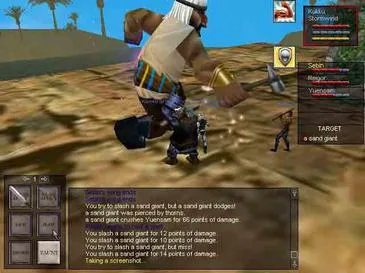
Understand EverQuest resurrection mechanics, including corpse runs and aid from fellow adventurers, to minimize downtime after death.
In the perilous world of EverQuest, death is an inevitable, if unwelcome, part of your journey. Understanding resurrection mechanics is crucial for minimizing the impact of your demise and getting back into the fight swiftly. This section details the various ways to return from the grave, from self-resurrection to the invaluable aid of your fellow adventurers.
The Corpse Run: Your First Step Back
Upon dying, your character will respawn at your bind point, typically a safe city or a designated camp. Your body, containing all your equipped and inventory items, will remain at the location of your death. This is your "corpse."
- Locate Your Corpse: Open your map (default key 'M') and look for a skull icon, which marks your corpse's location. If you died in a complex dungeon or a dangerous area, remember your path carefully.
- Travel to Your Corpse: Make your way back to your corpse. Be extremely cautious, as the enemies that killed you are likely still present. Consider asking for an escort from guildmates or friendly players, especially if you're in a high-level zone like the Plane of Hate or the depths of Velketor's Labyrinth.
- "Click" Your Corpse: Once you are next to your corpse, target it and right-click (or use the designated "interact" key). This will transfer all your items back into your inventory.
- Re-equip and Buff: After retrieving your items, take a moment to re-equip your gear and request buffs from any nearby casters before re-engaging.
Important Note: Your corpse will persist for a set amount of time (typically 7 days of real-world time, though this can vary). If you cannot retrieve it immediately, it will eventually decay, and your items will be lost forever. Always prioritize corpse retrieval.
Resurrection Spells: The Gift of Life
Certain classes possess the ability to resurrect fallen players, restoring them to life at their corpse's location with a portion of their experience points (XP) and mana/health. This is the most efficient way to recover from death.
- Clerics: The masters of resurrection, Clerics gain access to powerful resurrection spells early on.
- Resurrect: (Level 9) Restores a small percentage of XP.
- Reviviscence: (Level 29) A more potent resurrection, restoring a higher percentage of XP.
- Divine Intervention: (Level 50) The strongest Cleric resurrection, returning a significant portion of lost XP.
- Paladins: These holy warriors also learn resurrection spells, though typically later than Clerics and with slightly less XP restoration.
- Resurrect: (Level 30) Similar to the Cleric version, but obtained later.
- Shaman: While not primary resurrectors, Shaman can eventually learn a limited resurrection spell.
- Spirit of the Bear: (Level 39) A single-target resurrection with a moderate XP return.
- Druids: Druids gain access to resurrection spells that are particularly useful for outdoor zones.
- Spirit of the Wolf: (Level 29) A single-target resurrection with a moderate XP return, often used in conjunction with their travel abilities.
Strategy for Receiving a Resurrection:
- Communicate: Inform the resurrecting player that you are ready.
- Accept the Spell: A pop-up window will appear asking if you accept the resurrection. Click "Yes."
- Re-equip and Buff: Once resurrected, you will be at your corpse's location. Quickly re-equip your gear and request buffs from the caster and any other support classes.
XP Debt and Resurrection:
When you die, you incur "XP Debt." This means a portion of your current experience bar is lost. Resurrection spells reduce this debt. The higher the percentage restored by the spell, the less XP you will need to regain to reach your previous experience level. Always aim for the highest percentage resurrection available.
Items with Resurrection Effects
A select few rare and powerful items in EverQuest offer resurrection capabilities, often with unique benefits or limitations.
- Orb of the Infinite Void: (Rare drop from high-end raid encounters) This artifact allows the wielder to cast a powerful resurrection spell, often with a high XP return and a long cooldown. It's an invaluable tool for raid groups.
- Clicky Resurrection Items: Some quest rewards or very rare drops might offer a limited number of charges of a resurrection effect. These are typically less potent than Cleric spells but can be life-savers in a pinch. Always check the item's lore and effects carefully.
These items are generally not a primary source of resurrection but serve as emergency backups or strategic advantages in challenging content.
The Role of Bind Points
Your bind point is where you respawn upon death if no resurrection is performed. Setting your bind point strategically can significantly reduce the time and danger of a corpse run.
- How to Bind: Find a "Bind Affinity" NPC (often a Wizard or Magician) in a safe city or hub. Target them and say "bind." They will cast the spell, setting your new bind point.
- Strategic Binding:
- Near Dungeons: Bind near the entrance of a dungeon you are actively exploring. For example, binding in the Commonlands near the entrance to Befallen can save a long run from Freeport.
- Safe Camps: If you are farming in a dangerous outdoor zone, find a relatively safe spot that is still close to your hunting grounds.
- City Hubs: For general adventuring, binding in a major city like Freeport, Qeynos, or Greater Faydark (for Kelethin residents) is a good default.
Remember, a well-placed bind point is your first line of defense against the frustrations of death in EverQuest.
100% Human-Written. AI Fact-Checked. Community Verified. Learn how AntMag verifies content