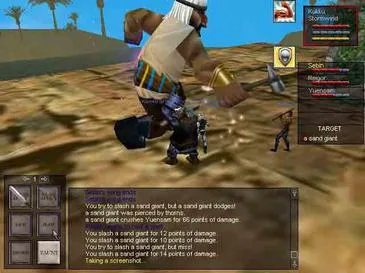
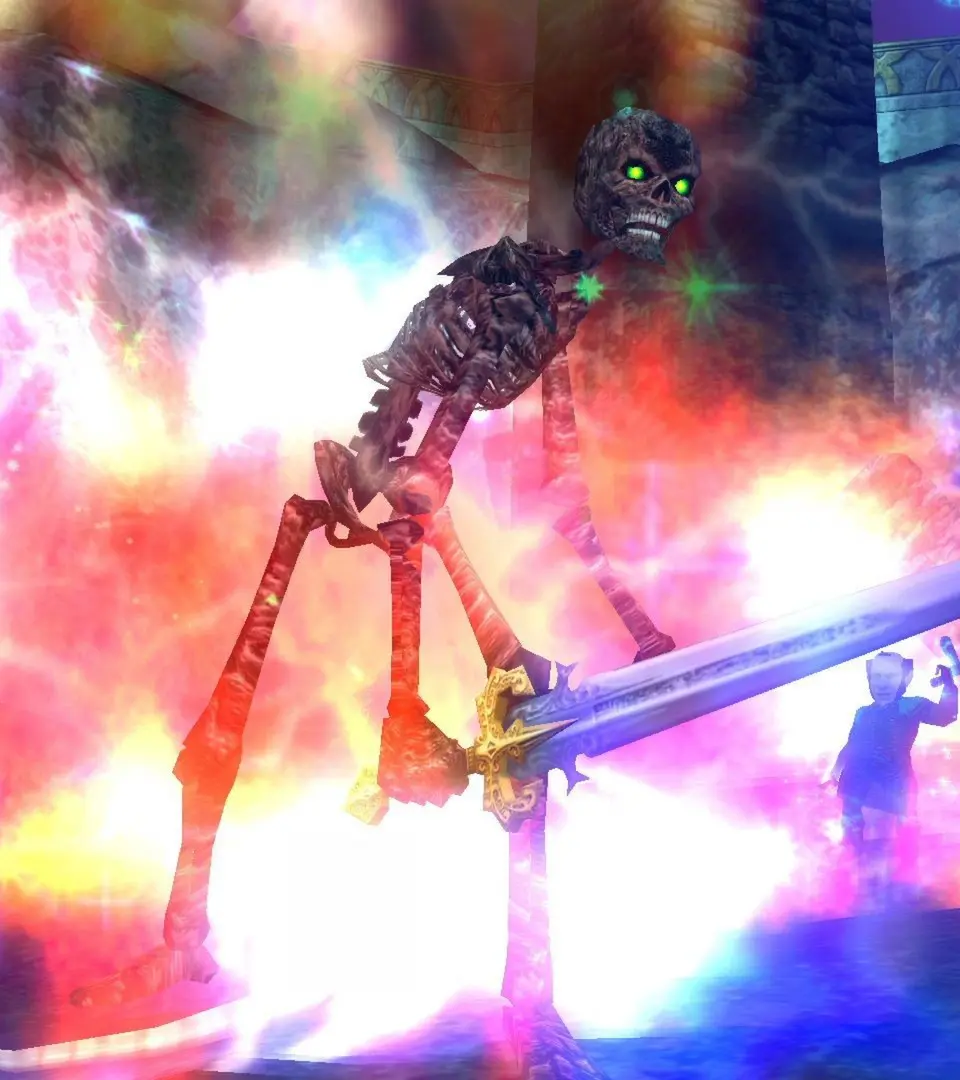
Acquire swift mounts and loyal companions in EverQuest to expedite travel across Norrath and gain valuable allies for facing its diverse dangers.
In the vast world of Norrath, traversing its diverse landscapes and facing its myriad dangers can be a daunting task. Fortunately, EverQuest offers players several mounts and companions to aid them on their adventures. From swift steeds that cut down travel time to loyal pets that fight alongside you, understanding these invaluable allies is key to a successful journey.
Mounts: Your Swift Steeds of Norrath
Mounts in EverQuest are primarily used for increasing movement speed, making travel between zones and within large areas significantly faster. While they don't participate in combat directly, their utility in exploration and questing cannot be overstated. Most mounts offer a flat speed increase, but some rare mounts may have additional cosmetic effects or unique acquisition methods.
Acquiring Your First Mount
The most common way to acquire a mount is through purchasing a Mount Certificate from various vendors across Norrath. These certificates are then "consumed" to summon your mount. The type of mount you receive depends on the certificate purchased.
- Basic Mounts (Horses, Donkeys): These are the most accessible and often the first mounts players acquire.
- Location: Mount vendors can be found in major cities such as North Qeynos (near the arena), Freeport (East Freeport, by the docks), Neriak Commons (near the bank), and Oggok (near the entrance to Feerrott).
- Cost: Typically range from 100 to 500 Platinum Pieces, depending on the mount's appearance.
- Speed: Provides a significant speed boost, often comparable to Spirit of Wolf.
- Racial Mounts: Some races have unique mount options that align with their lore. These are often purchased from vendors within their respective starting cities.
- Loyalty Mounts: Players who subscribe for extended periods or participate in loyalty programs may receive special mounts as rewards. These are typically claimed through the in-game loyalty vendor.
- Marketplace Mounts: The EverQuest Marketplace offers a wide array of cosmetic mounts, often with unique appearances and sometimes slightly higher speed bonuses. These are purchased with Station Cash.
Mount Management and Usage
- Summoning: Once you've consumed a Mount Certificate, the mount will appear in your "Mount" tab in your character window (default key: 'I'). You can then drag the mount icon to your hotbar for quick summoning.
- Dismounting: Clicking the mount icon again, or pressing the dismount hotkey, will dismiss your mount. You will automatically dismount if you enter combat, cast certain spells, or enter specific zones (e.g., instances, some dungeons).
- Restrictions: Mounts cannot be used in all zones. Dungeons, certain indoor areas, and specific quest zones will automatically dismount you. Furthermore, mounts cannot be used while invisible or during certain quest-related transformations.
- Speed Stacking: Mount speed generally stacks with other movement speed buffs like Spirit of Wolf or bard songs, allowing for incredibly fast travel.
Notable Mounts and Acquisition (Advanced)
Beyond basic mounts, EverQuest features several unique and prestigious mounts, often tied to challenging content or rare drops.
- Raid Drop Mounts: High-level raid encounters often drop rare mount items. These are highly sought after for their unique appearances and status. Examples include:
- Phased Spider Mount: A rare drop from specific raid targets in later expansions, known for its ethereal appearance.
- Dragon Mounts: Extremely rare drops from powerful dragon bosses, signifying immense achievement.
- Quest Reward Mounts: Some epic quest lines or expansion signature quests reward unique mounts upon completion. These often require significant time investment and overcoming challenging encounters.
- Achievement Mounts: Completing specific in-game achievements, such as exploring every zone or reaching a certain number of Alternate Advancement (AA) points, can sometimes unlock unique mount options.
Companions: Your Loyal Allies in Battle
Companions, often referred to as "pets," are non-player characters (NPCs) that fight alongside you, provide buffs, or offer other forms of assistance. Unlike mounts, companions are actively involved in combat and can significantly impact your effectiveness in battle.
Pet Classes: The Masters of Companionship
Certain classes in EverQuest are specifically designed around the use of pets. These "pet classes" gain access to powerful pet summoning spells and abilities that enhance their companions.
- Magician: The quintessential pet class. Magicians summon elemental pets (Fire, Water, Air, Earth) that excel in various combat roles.
- Fire Pet: High damage output, good for single target DPS.
- Water Pet: Excellent tanking capabilities, often used to hold aggro.
- Air Pet: Good damage and stun abilities, useful for crowd control.
- Earth Pet: High HP and damage, a versatile choice.
- Key Spells: Mend Companion (heals pet), Burnout (increases pet damage), Focus (increases pet accuracy).
- Necromancer: Masters of undeath, Necromancers summon skeletal or zombie pets that drain life from enemies and provide additional damage.
- Key Spells: Lifetap (heals pet), Harm Touch (pet ability), Fear (pet can assist in fear kiting).
- Enchanter: While Enchanters primarily focus on crowd control and buffs, they can charm creatures to fight for them, effectively turning enemies into temporary pets.
- Key Spells: Charm (temporarily enthralls an NPC), Mesmerize (stuns multiple enemies), Clarity (mana regeneration buff for pet and group).
- Beastlord: A hybrid melee/caster class that summons a powerful warder (often an animal spirit) to fight alongside them. Beastlords also gain powerful pet buffs and healing spells.
- Key Spells: Feral Pack (group pet buff), Spirit of the Bear (pet tanking buff), Heal Companion (heals pet).
General Pet Management and Strategy
- Pet Commands: Pets respond to several commands, typically issued through hotkeys or the pet window.
- /pet attack: Directs your pet to attack a target.
- /pet back: Commands your pet to return to your side.
- /pet guard: Orders your pet to guard a specific location or target.
- /pet sit: Makes your pet sit down, often used to prevent accidental aggro.
- /pet follow: Commands your pet to follow you.
- /pet report: Displays your pet's current health and status.
- Pet Equipment: Many pets can be equipped with weapons, armor, and even certain augments to improve their combat effectiveness.
- Magician Pets: Can be equipped with summoned weapons and armor from their own spells (e.g., Summon Lesser Fire Elemental Armor).
- Beastlord Warders: Can be equipped with standard player-usable weapons and armor.
- Necromancer Pets: Generally cannot be equipped with gear.
- Pet Healing: Pets take damage in combat and need to be healed. Pet classes have specific healing spells for their pets, but other classes can use general healing spells or potions if applicable.
- Pet Buffs: Many player buffs can be cast on pets, significantly increasing their survivability and damage output. Always remember to buff your pet before engaging in challenging encounters.
- Aggro Management: Pets generate aggro just like players. Understanding how to manage your pet's aggro (e.g., using /pet back, /pet sit, or aggro-reducing spells) is crucial to prevent them from pulling unwanted enemies or dying prematurely.
- Pet Discipline: Always ensure your pet is on /pet back or /pet sit when not actively fighting to avoid accidental pulls or breaking crowd control.
Other Companions and Familiars
Beyond the primary pet classes, other forms of companions exist:
- Familiars: These are non-combat pets that provide small passive buffs (e.g., increased mana regeneration, slight stat boosts). They are often acquired through the Marketplace, loyalty vendors, or rare quest rewards. Familiars do not participate in combat.
- Mercenaries: Introduced in later expansions, mercenaries are AI-controlled NPCs that can be hired to fill various roles (tank, healer, DPS) in your group. They are a powerful form of companion, but require a subscription or Station Cash to use effectively.
- Types: Tank (Plate/Shadowknight), Healer (Cleric/Druid), Melee DPS (Rogue/Warrior), Caster DPS (Wizard/Magician).
- Acquisition: Hired from Mercenary Liaison NPCs in major cities.
- Upkeep: Require a daily wage (platinum) and can be upgraded with Mercenary Alternate Advancement (AA) points.
- Temporary Pets/Summons: Some classes (e.g., Druids, Shamans) have spells that summon temporary animal or spirit companions for a short duration, often for specific utility or burst damage.
Common Pitfalls and Tips for Pet Users
- Over-pulling: A common mistake is letting your pet attack too many enemies at once. Always target carefully.
- Pet Death: Pets can die, and often incur an experience debt for pet classes. Learn to pull your pet back before it dies.
- Aggro Leash: Be aware of your pet's aggro range. If you run too far, your pet might stop attacking or even despawn.
- Buffing Order: Always buff your pet before engaging in combat to maximize its effectiveness and survivability.
- Pet Equipment Management: For classes that can equip pets, remember to re-equip your pet after zoning or logging out, as their gear often despawns. Macroing this process can save time.
Mastering the use of mounts and companions will significantly enhance your EverQuest experience, making travel faster, combat more manageable, and your adventures more rewarding. Choose your allies wisely, and may your journeys through Norrath be epic!
100% Human-Written. AI Fact-Checked. Community Verified. Learn how AntMag verifies content