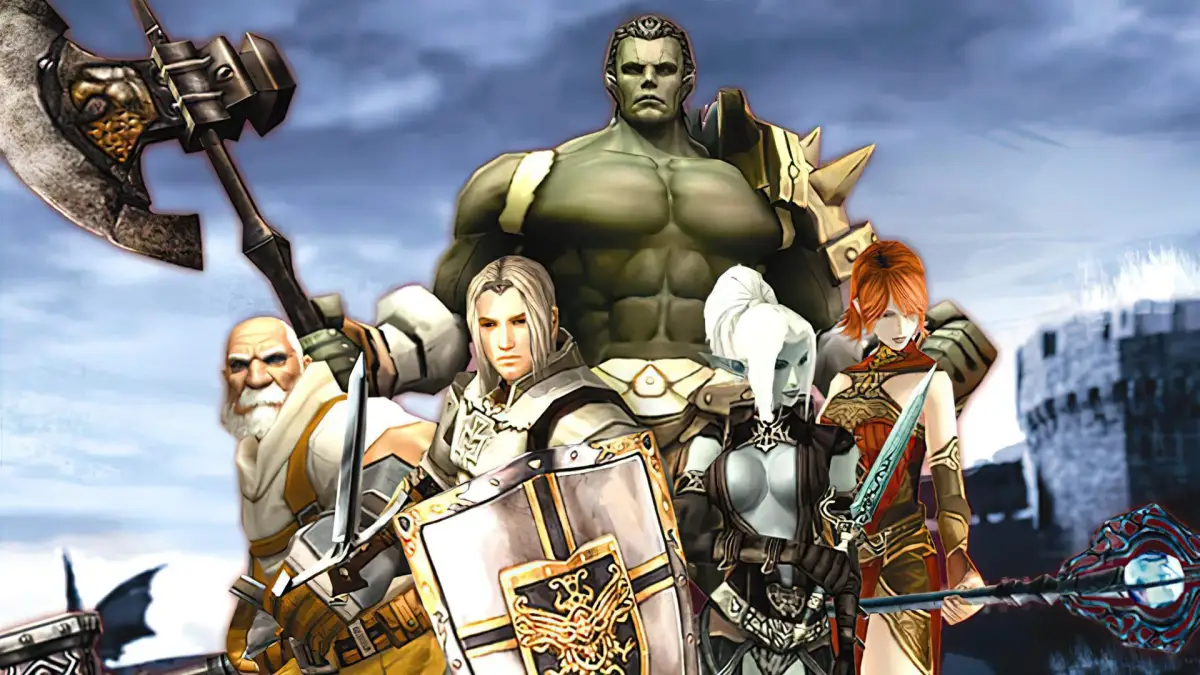
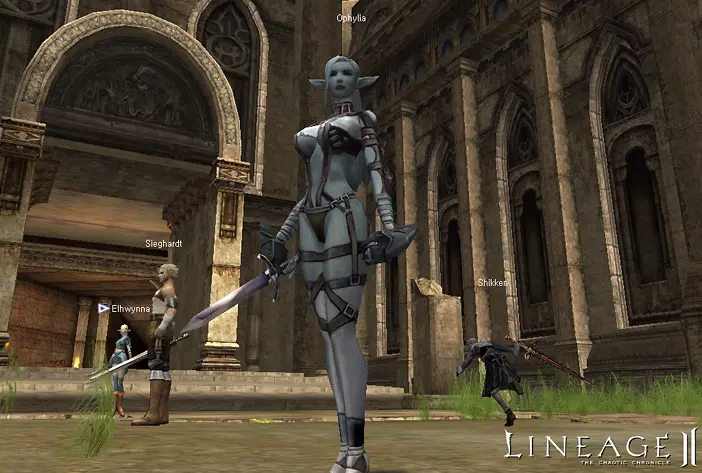
Conquer Lineage II's most dangerous Dungeons and Raids. Learn strategies to navigate perilous zones and secure epic loot in these challenging encounters.
Welcome, adventurer, to the comprehensive guide for conquering the most challenging encounters in Lineage II: Dungeons and Raids! Whether you're a fresh-faced recruit or a seasoned veteran looking to refine your strategies, this section will equip you with the knowledge to navigate the perilous depths and emerge victorious, laden with epic loot.
Understanding Dungeon Mechanics
Dungeons in Lineage II are instanced zones or open-world areas teeming with powerful monsters and often culminating in a boss encounter. Success hinges on preparation, teamwork, and understanding the unique mechanics of each zone.
- Party Composition: A balanced party is crucial. Typically, this includes a tank (e.g., Temple Knight, Paladin, Dark Avenger, Shillien Knight), healers (e.g., Elven Elder, Shillien Elder, Bishop), damage dealers (DDs - e.g., Spellhowler, Sorcerer, Phantom Ranger, Hawkeye), and support (e.g., Prophet, Warcryer, Overlord). Adapt your composition based on the dungeon's specific challenges.
- Buffs & Debuffs: Always ensure your party has a full set of buffs before engaging. Key buffs include Might, Shield, Haste, Acumen, Focus, Death Whisper, and Wind Walk. Conversely, knowing which debuffs to apply to enemies (e.g., Slow, Poison, Silence) can turn the tide of battle.
- Consumables: Stock up on HP Potions, MP Potions, Greater Healing Potions, Scrolls of Escape, and Scrolls of Resurrection. Specialized items like Soulshots and Spiritshots are mandatory for maximizing damage output.
- Aggro Management: Tanks are responsible for maintaining monster aggro. Damage dealers must be mindful of their threat generation to avoid pulling aggro prematurely. Healers should position themselves safely and manage their healing aggro carefully.
Raid Boss Encounters: The Ultimate Challenge
Raid Bosses are formidable adversaries, often requiring multiple parties (a full alliance or even multiple alliances) to defeat. These encounters are complex, with unique attack patterns, phases, and environmental hazards.
Pre-Raid Preparation
- Intelligence Gathering: Before attempting any raid, research the boss. boards, community wikis, and experienced players are invaluable resources. Understand its elemental weaknesses, resistances, attack types (physical/magical), and special abilities.
- Raid Leader & Strategy: A designated Raid Leader is essential for coordinating multiple parties. They will assign roles, call out targets, and dictate movement. A clear strategy document should be disseminated to all participants.
- Gear Check: Ensure all participants have appropriate gear, enchanted weapons, and armor. Consider specific resistances if the boss deals heavy elemental damage (e.g., Fire Resistance Necklace for Antharas).
- Supply Run: Beyond standard consumables, consider bringing specialized items like Elixirs of Life/Mana, Greater Swift Attack Potions, and possibly even specific quest items if required for the raid.
During the Raid: Execution is Key
- Positioning: Proper positioning is paramount. Tanks will typically hold the boss in a designated spot, while melee DDs flank, and ranged DDs/healers maintain a safe distance. Avoid standing in AoE (Area of Effect) attack zones.
- Target Priority: The Raid Leader will often call out target priorities. This might involve eliminating adds (additional monsters summoned by the boss) before focusing on the boss, or switching targets to interrupt a powerful cast.
- Healer Coordination: Healers must communicate effectively. Designate main healers for the tank, and others for party-wide healing. Over-healing can draw aggro, while under-healing leads to wipes.
- Damage Phases & Mechanics: Many raid bosses have distinct phases. These might involve invulnerability periods, summoning powerful minions, or requiring specific actions from players (e.g., destroying crystals, activating switches). Pay close attention to the Raid Leader's calls for these mechanics.
- Resurrection & Recovery: Wipes are a possibility. Have designated players ready with Scrolls of Resurrection to bring fallen comrades back into the fight quickly. After a partial wipe, regroup and re-buff before re-engaging.
Notable Dungeons & Raids (Examples)
While this is a general guide, understanding the types of challenges you'll face is important. Here are a few examples:
- Cruma Tower: An early-game dungeon, excellent for learning basic party dynamics and aggro management. The final boss, Core, introduces simple AoE attacks.
- Giants Cave: A challenging mid-game zone with powerful giants and a complex layout. Requires strong CC (Crowd Control) and focused damage.
- Antharas Lair: Home to the Earth Dragon Antharas, one of the most iconic and difficult raid bosses. This raid demands extreme coordination, high-end gear, and meticulous execution of mechanics, including specific debuff application and phase transitions.
- Baium's Lair (Tower of Insolence 10th Floor): The lair of the Angel of Death, Baium. This raid is notorious for its challenging path to the boss and Baium's powerful AoE attacks and debuffs.
Remember, practice makes perfect. Don't be discouraged by initial failures. Learn from your mistakes, refine your strategies, and with persistence, you will conquer even the most formidable challenges Lineage II has to offer!
100% Human-Written. AI Fact-Checked. Community Verified. Learn how AntMag verifies content