
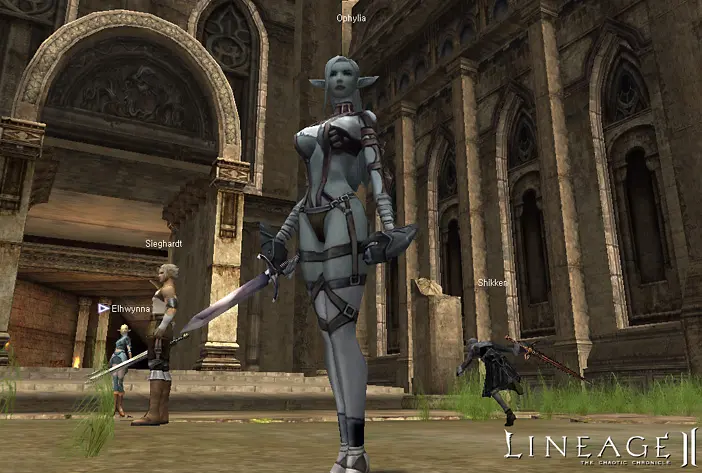
Master buffs and debuffs in Lineage II to enhance allies and cripple foes in solo, party, and PvP encounters.
Understanding and strategically utilizing buffs and debuffs is paramount to success in Lineage II, whether you're soloing, grinding in a party, or engaging in epic PvP battles. These temporary status effects can turn the tide of any encounter, empowering your allies and crippling your foes.
Understanding Buffs
Buffs are beneficial status effects that enhance your character's or your party members' attributes, combat capabilities, or survivability. They are typically cast by support classes, consumed through items, or gained from environmental effects.
Key Buff Categories & Examples:
- Attribute Boosts: Increase core stats like STR, DEX, CON, INT, WIT, MEN.
- Example: Might (Warrior/Paladin) increases P. Atk.
- Example: Shield (Warrior/Paladin) increases P. Def.
- Example: Empower (Wizard/Cleric) increases M. Atk.
- Combat Enhancements: Improve attack speed, casting speed, critical rates, or accuracy.
- Example: Haste (Warrior/Paladin) increases Atk. Spd.
- Example: Acumen (Wizard/Cleric) increases Casting Spd.
- Example: Focus (Warrior/Paladin) increases Critical Rate.
- Defensive & Survivability: Boost defenses, HP/MP regeneration, or provide damage reduction.
- Example: Greater Heal (Cleric/Shaman) restores HP.
- Example: Recharge (Wizard/Cleric) restores MP.
- Example: Bless the Body (Cleric/Shaman) increases Max HP.
- Example: Bless the Soul (Cleric/Shaman) increases Max MP.
- Movement & Utility: Enhance movement speed or provide other beneficial effects.
- Example: Wind Walk (Warrior/Paladin) increases Speed.
Strategic Buffing:
Effective buffing requires foresight and knowledge of your party's composition and the challenges ahead. Always prioritize essential buffs before engaging in combat. In a typical party setup, the designated buffer (often an Elven Elder, Prophet, or Shillien Elder) should ensure all members have their core buffs active. For raid bosses or challenging dungeons, consider using Scrolls of Escape to quickly refresh buffs if a wipe occurs, or designate a secondary buffer.
Understanding Debuffs
Debuffs are detrimental status effects that weaken enemies, making them easier to defeat, or hinder player characters, increasing the difficulty of encounters. They are primarily cast by offensive spellcasters, archers, or certain melee classes, and can also be inflicted by monsters.
Key Debuff Categories & Examples:
- Attribute Reductions: Decrease core stats like P. Atk, M. Atk, P. Def, M. Def.
- Example: Weakness (Wizard/Dark Elf Wizard) decreases P. Atk.
- Example: Curse of Doom (Dark Elf Wizard) decreases P. Def.
- Combat Impairments: Reduce attack speed, casting speed, accuracy, or critical resistance.
- Example: Slow (Wizard/Dark Elf Wizard) decreases Atk. Spd.
- Example: Silence (Dark Elf Wizard) prevents magic skill use.
- Example: Confusion (Dark Elf Wizard) causes targets to attack randomly.
- Crowd Control (CC): Impair movement or actions, rendering targets temporarily helpless.
- Example: Sleep (Wizard/Dark Elf Wizard) renders target unconscious.
- Example: Root (Wizard/Dark Elf Wizard) immobilizes target.
- Example: Stun (Warrior/Archer) temporarily incapacitates target.
- Damage Over Time (DoT): Inflict continuous damage over a duration.
- Example: Poison (Rogue/Dark Elf Wizard) inflicts continuous HP damage.
- Example: Bleed (Warrior/Rogue) inflicts continuous HP damage.
Strategic Debuffing:
Debuffs are crucial for controlling the battlefield and maximizing damage output against tough opponents. Prioritize debuffs that reduce enemy defenses (e.g., P. Def or M. Def reduction) or impair their ability to attack (e.g., Slow, Stun). In PvP, crowd control debuffs like Sleep or Root are invaluable for isolating targets or preventing healers from supporting their allies.
Managing Buffs and Debuffs
Buff Slots:
Remember that characters have a limited number of buff slots. As you progress and acquire more skills, you'll need to make strategic choices about which buffs to prioritize. Certain items, like the Talisman of Aden, can temporarily increase your buff slot count.
Cleansing Debuffs:
Debuffs can be devastating, especially in critical moments. Always have a plan for removing them.
- Healer Skills: Classes like Elven Elders and Shillien Elders possess skills such as Purify or Greater Heal (which can remove some debuffs) to cleanse allies.
- Potions: Keep a stock of Antidote Potions for Poison, Bandage Scrolls for Bleed, and Clearance Potions for general debuff removal. These can be purchased from any Grocery Shop in major towns like Gludin Village or Aden Castle Town.
- Dances/Songs: Dancers and Swordsingers can provide resistance to certain debuffs with their unique skills, such as Song of Warding (P. Def) or Dance of Fury (Atk. Spd).
Debuff Resistance:
Increasing your debuff resistance is vital for survivability.
- Equipment: Certain armor sets (e.g., Dark Crystal Robe Set for stun resistance) and accessories (like the Ring of Queen Ant for poison/hold resistance) offer inherent resistance.
- Buffs: Buffs like Resist Shock (Cleric/Shaman) or Resist Poison (Cleric/Shaman) directly increase your resistance to specific debuffs.
- Dyes: Strategic use of dyes can boost stats like CON or MEN, which in turn increase resistance to various debuffs.
Mastering the ebb and flow of buffs and debuffs is a hallmark of an experienced Lineage II player. Pay attention to the icons above your character and your targets, and always be ready to adapt your strategy based on the status effects in play.
100% Human-Written. AI Fact-Checked. Community Verified. Learn how AntMag verifies content