
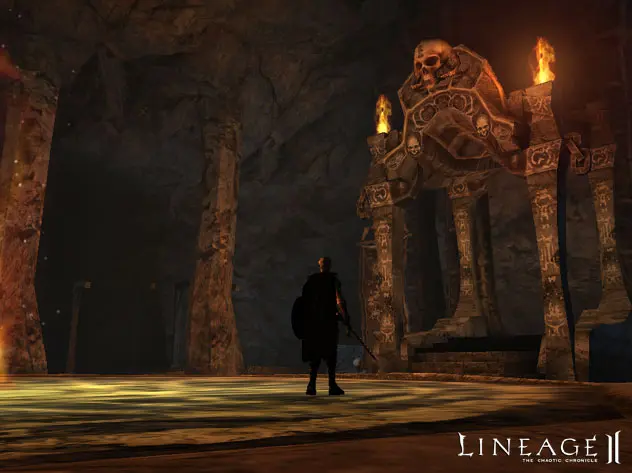
Conquer the challenging instanced dungeon in Lineage II. Learn strategies for the randomly generated rooms of the Dimensional Rift for parties level 70+.
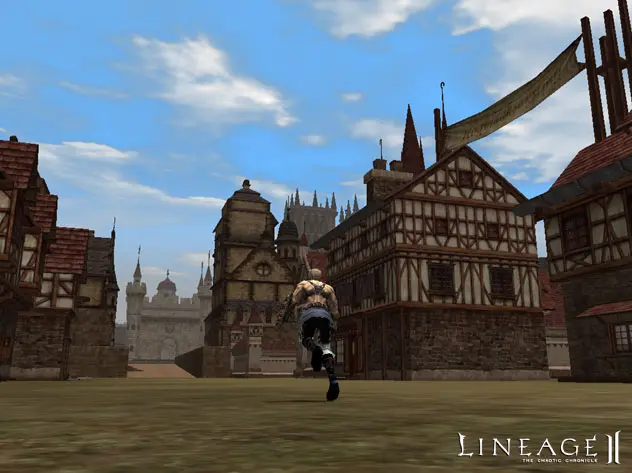
The Dimensional Rift is a highly sought-after instanced dungeon in Lineage II, offering challenging encounters, substantial experience gains, and valuable rewards. Designed for parties of level 70 and above, it provides a dynamic and unpredictable experience thanks to its randomly generated room structure. Successfully navigating the Rift requires teamwork, strategic planning, and adaptability.
Entry Requirements and How to Enter
To enter the Dimensional Rift, your party must meet the level requirement and possess the necessary entry item: Dimensional Fragments. These fragments act as the key to opening the gateway to the Rift.
Obtaining Dimensional Fragments
Dimensional Fragments are primarily obtained through the following methods:
- Hunting Monsters: Many high-level monsters across the world of Aden and Elmore drop Dimensional Fragments. Focus on areas appropriate for your party's level, such as the Forest of the Dead, Blazing Swamp, or Imperial Tomb.
- Quest Rewards: Certain repeatable or one-time quests may offer Dimensional Fragments as a reward. Always check your quest log for opportunities.
- Event Rewards: Keep an eye on in-game events, as they often provide Dimensional Fragments as participation or completion rewards.
Accessing the Rift
Once your party has the required Dimensional Fragments, you can enter the Rift via a Dimensional Gatekeeper NPC. These NPCs are typically found in major cities:
- Aden Castle Town: Located near the warp gate.
- Giran Castle Town: Often found near the Magic Shop or the main square.
- Rune Township: Near the central fountain.
- Goddard Castle Town: Close to the main entrance.
Speak to the Dimensional Gatekeeper, select the "Enter Dimensional Rift" option, and confirm your entry. The number of Dimensional Fragments consumed depends on the specific Rift instance you choose (e.g., level 70, 80, 85).
Inside the Dimensional Rift: Room Types and Objectives
The Dimensional Rift consists of a series of randomly generated rooms, each presenting unique challenges. Your party will progress through these rooms, clearing objectives to unlock the next. The variety keeps each run fresh and engaging.
Common Room Types and Strategies:
- Standard Monster Rooms:
- Objective: Eliminate all monsters within the room.
- Strategy: Standard AoE (Area of Effect) grinding. Tanks should aggro, healers sustain, and damage dealers unleash their full potential. Be wary of monster types with specific resistances or debuffs.
- Example Monsters: Rift Golems, Dimensional Watchers, Rift Assassins.
- Elite Monster Rooms:
- Objective: Defeat a smaller number of significantly tougher monsters, often with unique abilities.
- Strategy: Focus fire on one elite at a time. Utilize crowd control (sleep, stun, root) to manage multiple elites. Be prepared for higher damage output and potential debuffs.
- Example Monsters: Rift Overlord, Dimensional Guardian, Rift Sorcerer.
- Trap Rooms:
- Objective: Navigate through a room filled with environmental hazards while potentially fighting a few monsters.
- Strategy: Designate a scout (often a dagger rogue or archer) to identify and disarm traps if possible, or guide the party safely. Healers should be ready for unexpected damage spikes.
- Example Traps: Poison gas vents, spike traps, magical barriers that inflict damage.
- Puzzle/Mechanism Rooms:
- Objective: Activate specific mechanisms or solve a simple puzzle to open the next door. Monsters may spawn upon incorrect attempts.
- Strategy: Pay attention to environmental clues. Often involves activating switches in a specific order or defeating key monsters that drop activation items.
- Example Puzzles: Activating colored crystals in sequence, defeating "Key Masters" to obtain a portal key.
- Boss Rooms:
- Objective: Defeat a powerful boss monster that guards the exit to the next section or the final reward.
- Strategy: These require coordinated effort. Understand the boss's attack patterns, special abilities (AoE, debuffs, summons), and potential weaknesses. Tanks must maintain aggro, healers keep everyone alive, and damage dealers execute their rotations efficiently.
- Example Bosses: Dimensional Conqueror (AoE damage, summons Rift Minions), Void Lord Kael (powerful magic attacks, can silence healers), Rift Keeper Zarkon (high physical defense, uses stun attacks).
Recommended Party Composition
A balanced party is crucial for success in the Dimensional Rift. While variations exist, a strong core typically includes:
- Tank (1-2): Dark Avenger, Paladin, Temple Knight, Shillien Knight. Essential for holding aggro and mitigating damage, especially from elite monsters and bosses.
- Healer (1-2): Elder, Shillien Elder, Bishop. Critical for party survival, providing continuous healing and dispelling debuffs.
- Damage Dealers (3-4):
- Melee DPS: Gladiator, Warlord, Destroyer, Tyrant, Bladedancer, Sword Singer. High single-target or AoE damage.
- Ranged DPS: Hawkeye, Silver Ranger, Phantom Ranger, Spellsinger, Spellhowler, Necromancer, Sorcerer. Provide consistent damage from a distance, useful for kiting or focusing specific targets.
- Support/Buffer (1): Prophet, Warcryer, Overlord, Bladedancer, Sword Singer. Provides crucial buffs (attack, defense, speed) and debuffs (enemy defense, attack) that significantly enhance party performance.
Strategies and Tips for Success
- Communication is Key: Always use party chat or voice chat to coordinate pulls, focus targets, and call out threats.
- Manage Aggro: Tanks must be vigilant in maintaining aggro. Damage dealers should be mindful of their threat generation, especially at the start of pulls.
- Resource Management: Healers and mages need to conserve MP. Use potions and Elixirs wisely. Consider bringing a party member with MP regeneration skills.
- Adapt to Room Types: Don't stick to one strategy. Adjust your tactics based on the room's objective and monster types.
- Utilize Debuffs and Crowd Control: Slows, stuns, sleeps, and roots can turn the tide against tough enemies.
- Focus Fire: For elite monsters and bosses, concentrate all damage on one target to eliminate threats quickly.
- Learn Boss Mechanics: Each boss has unique abilities. Observe their attack patterns and learn how to counter them (e.g., move out of AoE, dispel specific debuffs).
- Don't Rush: While efficiency is good, rushing can lead to wipes. Take your time, pull carefully, and ensure your party is ready for the next challenge.
Rewards
The Dimensional Rift is renowned for its generous rewards, making it a highly profitable venture for successful parties.
- Experience Points (XP): Significant XP gains, especially for clearing multiple rooms and defeating bosses, making it an excellent leveling spot.
- Skill Points (SP): Substantial SP rewards, crucial for mastering new skills and enhancing existing ones.
- Adena: Monsters drop a good amount of Adena, and boss chests often contain larger sums.
- Valuable Items:
- High-Grade Equipment: Chance to drop A-grade and S-grade weapon and armor pieces.
- Enchant Scrolls: Scrolls of Enchant Weapon/Armor (A-grade, S-grade) are common drops.
- Attribute Crystals/Jewels: Essential for enchanting equipment with elemental attributes.
- Life Stones: Used for adding special abilities to weapons.
- Recipe Fragments: For crafting rare items.
- Giant's Codex: Used to learn forgotten skills or enhance existing ones.
- Blessed Scrolls of Escape/Resurrection: Useful utility items.
The Dimensional Rift is a core part of the Lineage II endgame experience, offering both a challenge and immense rewards. By understanding its mechanics, preparing your party, and adapting your strategies, you can conquer its depths and reap the benefits.
100% Human-Written. AI Fact-Checked. Community Verified. Learn how AntMag verifies content