
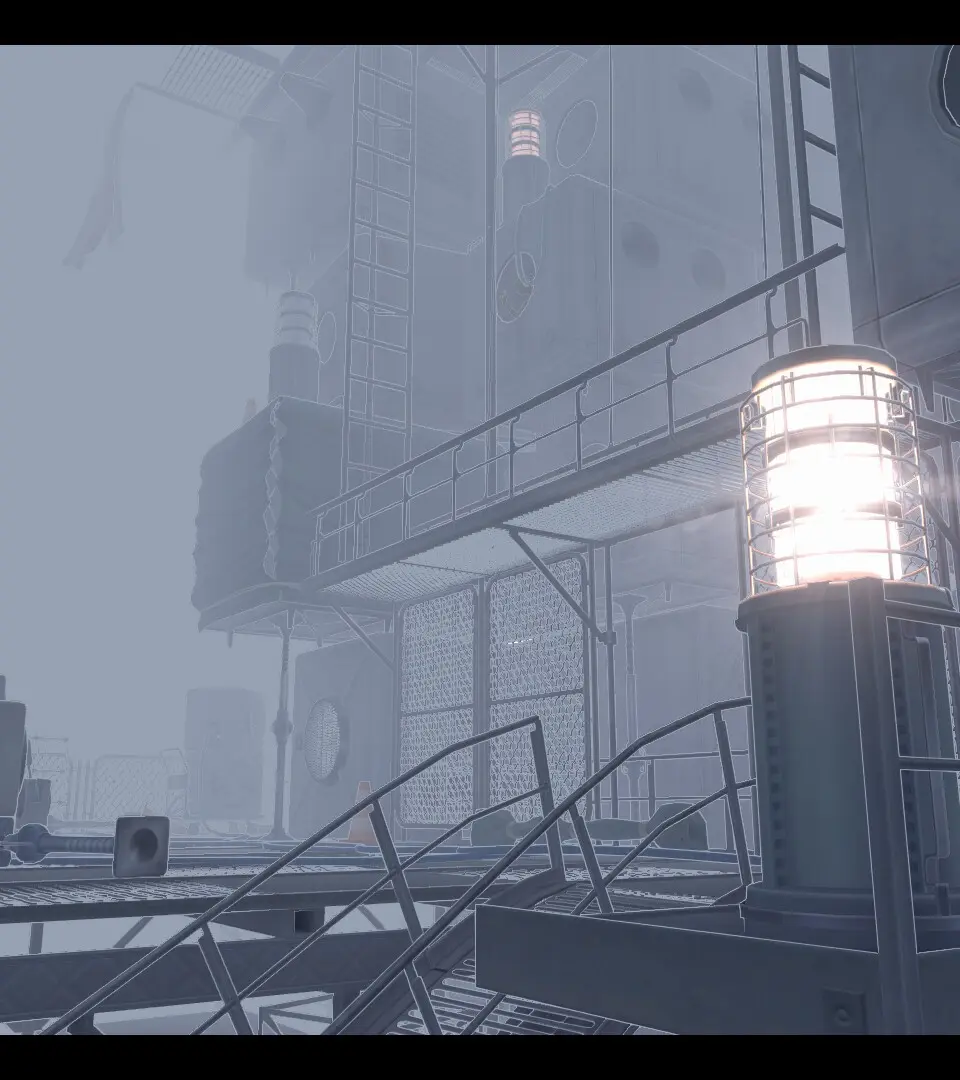
Learn how to interpret environmental storytelling and visual cues in MiSide to uncover hidden details and progress through the game. This guide explains key elements.
This guide section focuses on understanding how MiSide uses environmental storytelling and visual cues to convey information to the player. While the provided text is a walkthrough for a specific quest, it contains elements that can be interpreted as visual cues or environmental storytelling.
Visual Cues:
- Blinking Lights: The blinking red button on the portal machine and the blinking grid space for moving the wardrobe are clear visual cues indicating interaction points or areas of interest.
- Item Placement: The specific locations of items like the Bowknot, Pencil, and Spoon, as well as the batteries, serve as visual cues guiding the player to necessary objects. The randomized nature of some item locations also encourages players to actively observe their environment.
- UI Elements: Mita's energy bar (top left) and the minigame energy requirement are visual cues that players must monitor to progress. The money needed for the TV (450) is also a clear numerical cue.
- Ingredient Preparation: The visual prompt to drag a slider to cut vegetables is a direct visual cue for a mini-game interaction.
- Fallen Magnets: The comment about fallen magnets after picking up a battery is an environmental detail that, while not explicitly explained as storytelling, adds a layer of realism and implies a consequence of player action.
Environmental Storytelling:
- Mita's Requests: The series of tasks Mita gives the player (laundry, soup, TV, hairbrush, wardrobe) gradually builds a picture of her life and needs, contributing to environmental storytelling by showing her dependence on the player and her daily routines.
- The Oven Warning: The explicit warning not to look in the oven, and the consequence of doing so (blocking the
100% Human-Written. AI Fact-Checked. Community Verified. Learn how AntMag verifies content