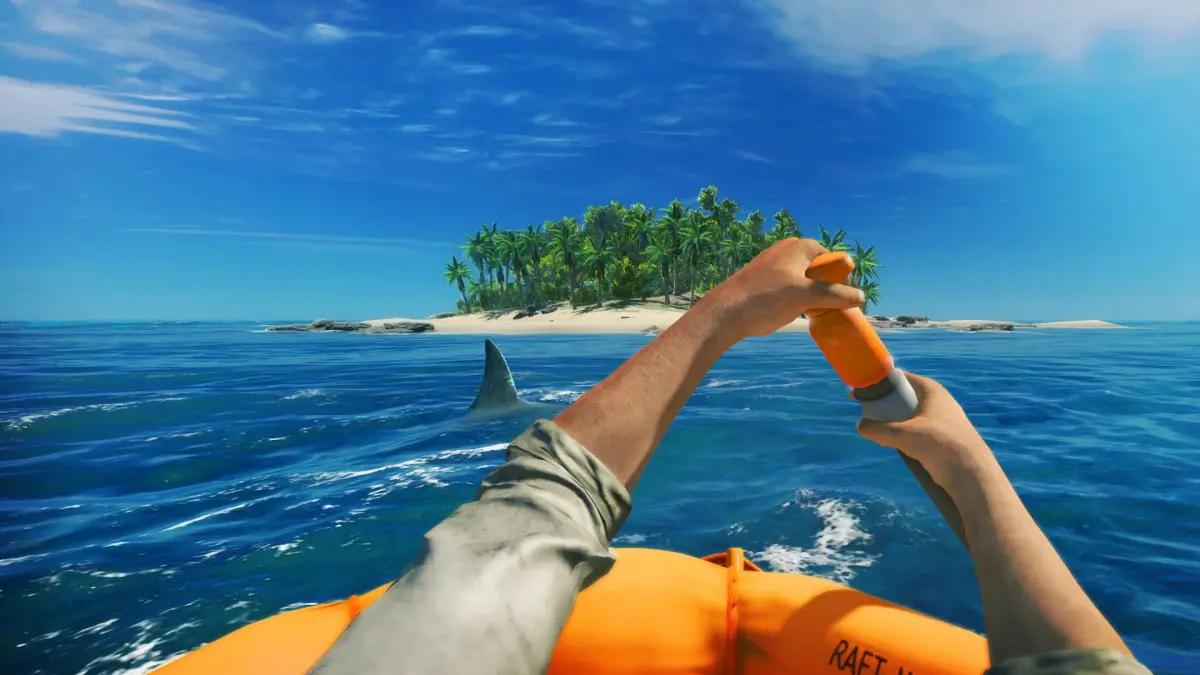
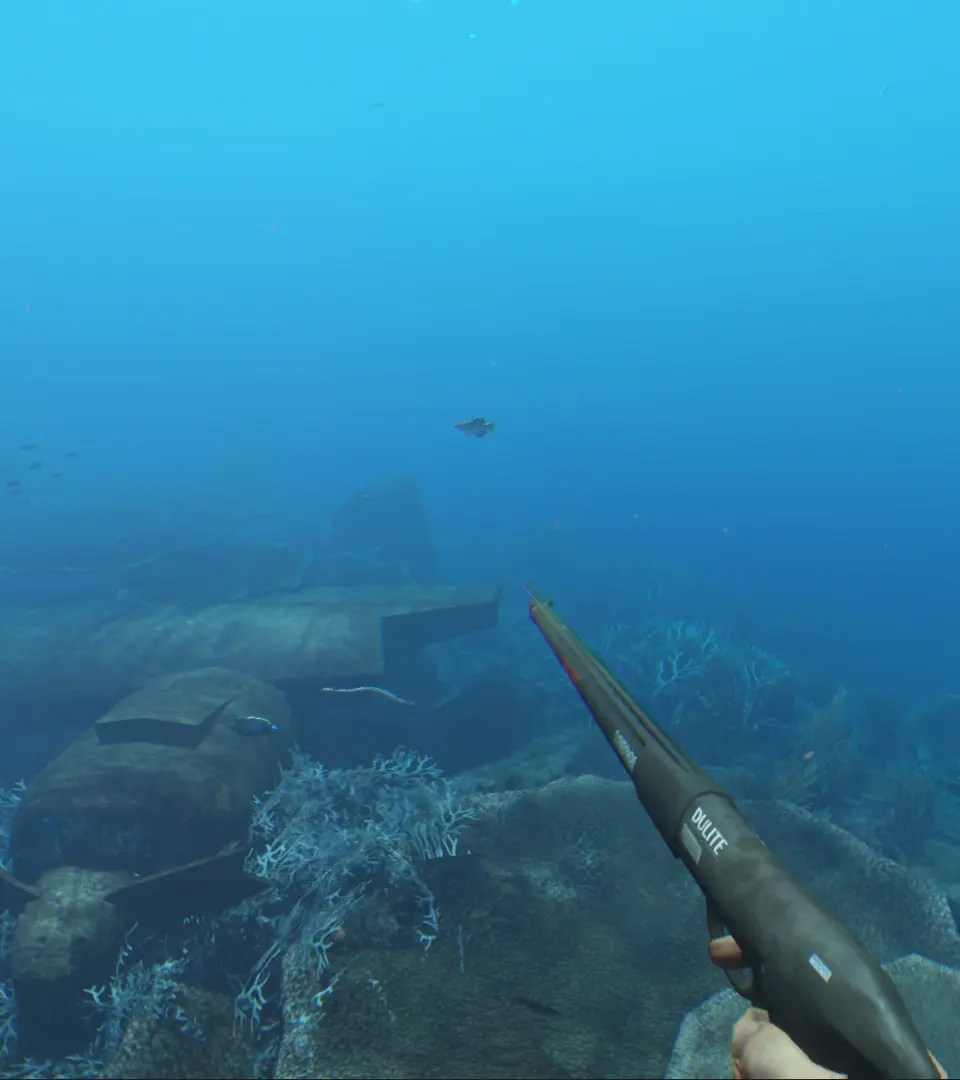
Choose your Stranded Deep challenge. Learn how game modes and difficulty settings impact your survival experience, from permadeath to casual play.
Game Modes & Difficulty Settings
Embarking on your survival journey in Stranded Deep requires careful consideration of the game mode and difficulty settings. These choices significantly impact your experience, from the unforgiving nature of permadeath to the more forgiving options for new players. Understanding these settings is crucial for tailoring the game to your preferred challenge level and ensuring a rewarding, rather than frustrating, adventure.
Game Modes
While Stranded Deep primarily focuses on a single-player survival experience, the core gameplay loop can be customized through various options that fundamentally alter how you approach the islands.
- Standard Survival: This is the default and most common way to play. You'll face hunger, thirst, environmental hazards, and aggressive wildlife. Death typically results in respawning at your last save point, allowing for learning and recovery. This mode is recommended for most players, especially those new to survival games, as it provides a balanced challenge without the extreme pressure of permadeath.
- Permadeath: For the ultimate test of your survival skills, Permadeath mode is available. In this mode, a single death means the end of your entire playthrough. Your save file is deleted, and you must start a new game from scratch.
- Strategy for Permadeath:
- Prioritize Safety: Avoid unnecessary risks. Always have a full water bottle and food supply before venturing out.
- Establish a Safe Base Early: Focus on building a sturdy shelter, a Water Still, and a Smoker or Fire Pit on your starting island.
- Scout Cautiously: When exploring new islands, approach shorelines slowly, looking for sharks or other dangers.
- Avoid Bosses Until Fully Prepared: Do not attempt to tackle the Megalodon, Giant Squid, or Moray Eel until you have advanced weaponry (e.g., Refined Spears, Bow and Arrows) and ample medical supplies.
- Save Frequently: While permadeath means no respawns, saving regularly ensures you don't lose progress due to a crash or unexpected game bug.
- Strategy for Permadeath:
Difficulty Settings
Beyond the core game modes, Stranded Deep offers granular control over various difficulty parameters. These can be adjusted at the start of a new game to fine-tune the challenge.
Player Attributes
- Hunger/Thirst Depletion: This setting controls how quickly your hunger and thirst meters decrease.
- Easy: Slower depletion, giving you more time between meals and drinks. Ideal for learning the ropes.
- Normal: Standard depletion rate, requiring regular attention to your needs.
- Hard: Faster depletion, demanding constant resource management and making long expeditions more challenging.
- Actionable Tip: On Hard difficulty, crafting multiple Water Stills and maintaining a steady supply of cooked food (e.g., Smoked Meat from a Smoker) is paramount.
- Health Regeneration: Determines how your character recovers health.
- Passive Regeneration: Health slowly recovers over time, even without food or rest.
- Rest/Food Dependent: Health only regenerates when well-fed, hydrated, and rested.
- No Regeneration: Health does not regenerate naturally. You must rely entirely on medical items like Bandages, Antidotes, and Pain Relievers.
- Strategy: For "No Regeneration," always carry a minimum of two Bandages and one Antidote when exploring. Prioritize crafting a Medical Station early on your main island.
Environmental & Wildlife Settings
- Wildlife Aggression: Controls how frequently and aggressively animals (sharks, boars, snakes) attack.
- Passive: Most animals will ignore you unless provoked.
- Normal: Animals will attack if you get too close or after a certain amount of time.
- Aggressive: Animals will actively hunt and attack you on sight.
- Actionable Tip: On Aggressive, always be armed. A Crude Spear is a basic defense, but quickly upgrade to a Refined Spear or Bow for safer engagements. When swimming, constantly scan your surroundings for shark fins.
- Harvestable Resource Respawn: Dictates whether harvested resources (trees, small plants) will regrow.
- On: Resources will eventually regrow on islands, providing a sustainable supply. This is generally recommended for longer playthroughs.
- Off: Resources, once harvested, are gone forever. This forces players to constantly explore new islands for materials.
- Strategy for "Off": When this is disabled, resource management becomes critical. Only cut down trees when absolutely necessary. Prioritize building a Gyrocopter or a sturdy Raft early to efficiently transport resources from other islands. Palm trees and their fruits, as noted by experienced survivors, do not regrow regardless of this setting, so use them wisely.
By carefully selecting your game mode and adjusting these difficulty parameters, you can craft a Stranded Deep experience that perfectly matches your desired level of challenge and immersion.
100% Human-Written. AI Fact-Checked. Community Verified. Learn how AntMag verifies content