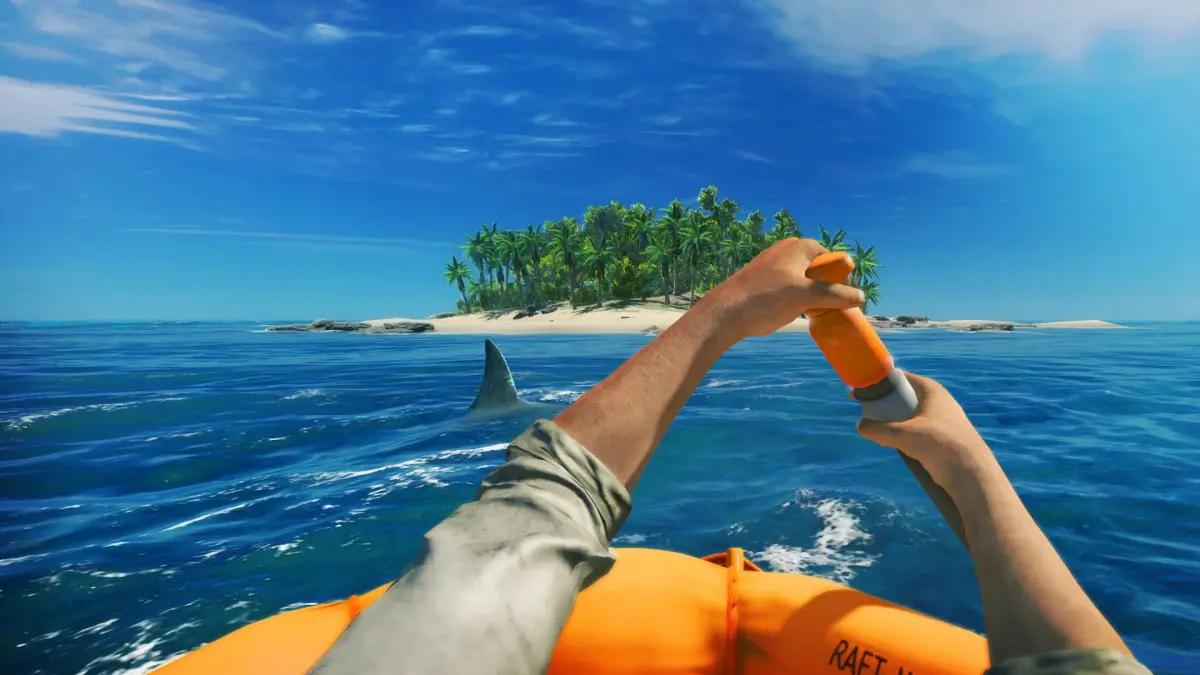
Understand Stranded Deep's procedurally generated islands and distinct biomes. Learn how island types influence resource distribution and survival strategies.
Island Generation & Biomes
Understanding how islands are generated and the distinct biomes within Stranded Deep is crucial for long-term survival. Each new game world is procedurally generated, meaning no two playthroughs will be exactly alike. However, the underlying rules for island types and resource distribution remain consistent, allowing for strategic planning.
World Generation Basics
Upon starting a new game, the world map is created as a grid of islands. Your starting island is typically a "Starter Island" biome, designed to provide initial resources and a relatively safe environment. The surrounding islands will vary in size, resource density, and biome type.
- Seed System: While the world is random, you can input a specific "Seed" during world creation. This allows you to replay a world you enjoyed or share a particularly resource-rich seed with friends.
- Island Density: The number of islands and their proximity can vary. Some worlds feature tightly packed clusters, while others have vast stretches of open ocean between landmasses.
- Resource Scarcity: Resources on any given island are finite. Once you've harvested all the Palm Fronds, Wood Sticks, and Stone, they will not respawn on that specific island. This necessitates exploration.
Island Biomes and Their Characteristics
While not explicitly labeled as "biomes" in-game, islands exhibit distinct characteristics that dictate their resources and challenges. Identifying these will help you prioritize exploration and resource gathering.
1. Starter Island (Safe Haven)
Your initial spawn point, designed for early game survival.
- Key Features:
- Abundant Palm Trees (for Palm Fronds, Coconuts, Wood Sticks).
- Several Stone nodes for crafting basic tools like the Stone Tool.
- Usually features a small shipwreck or debris for early salvageable items (Plastic, Cloth, Scrap Metal).
- Fewer aggressive predators in the immediate surrounding waters compared to other biomes.
- Strategy: Focus on establishing a basic shelter, securing a reliable water source (e.g., Water Still), and crafting essential tools. Do not linger too long once basic needs are met; these islands quickly deplete.
2. Resource Islands (The Breadbasket)
These islands are characterized by a higher concentration of specific, often rarer, resources.
- Key Features:
- Dense Foliage: More Yucca Plants (for Fibers), Potato Plants, and Aloe Vera.
- Mineral Deposits: Look for exposed rock faces or caves containing Clay, Iron Ore, and occasionally Gold Ore. Clay is vital for advanced crafting like the Furnace and Water Still upgrades.
- Shipwrecks: Larger, more intact shipwrecks are common, offering a bounty of Scrap Metal, Plastic, Cloth, Barrels, and sometimes even rare tools like the Axe or Spear Gun.
- Wildlife: Often host more diverse land animals like Boars and Snakes, providing valuable Meat and Leather.
- Strategy: Prioritize these islands for gathering bulk resources. Bring a Raft with ample storage to transport materials back to your main base. Be wary of increased predator activity, both on land and in the water around shipwrecks.
3. Rocky Outcrops (Barren but Valuable)
Smaller, often elevated islands with sparse vegetation but crucial geological features.
- Key Features:
- Limited Palm Trees or Yucca Plants.
- Dominant rock formations, often with accessible caves.
- Primary source of Stone, Clay, and potentially Iron Ore in large quantities.
- Less likely to have large shipwrecks, but small debris fields can still be found.
- Strategy: These are excellent for quick mining runs. Bring a Pickaxe (crafted from Wood Sticks and Stone) to efficiently harvest minerals. They are less suitable for establishing a long-term base due to lack of food and water.
4. Boss Islands (The Gauntlet)
These unique islands are home to the game's formidable boss creatures.
- Key Features:
- Distinctive geological formations or structures that hint at the boss's presence.
- Extremely dangerous waters surrounding them, often patrolled by aggressive Sharks or other unique aquatic threats.
- The boss itself will be the primary inhabitant, requiring significant preparation to defeat.
- May contain unique, high-tier loot after defeating the boss.
- Strategy: Do NOT approach these islands unprepared. Ensure you have advanced weapons (Refined Spear, Spear Gun, Bow), ample medical supplies (Bandages, Antidote), and a well-maintained Raft for a quick escape if necessary. Mark these islands on your map for future reference.
Navigating the World Map
The Cartographer is your best friend for understanding your world. Crafted using Wood Sticks, Rope, and Leather, it allows you to view a map of all discovered islands and mark points of interest.
- Craft the Cartographer: Gather 4x Wood Sticks, 1x Rope, 1x Leather.
- Place it: Deploy the Cartographer on your base island.
- Explore and Map: As you explore new islands, return to your Cartographer and interact with it. Newly discovered islands will appear on the map.
- Mark Resources: Use the map to mark islands with specific resources (e.g., "Clay Island," "Wreck Island") or dangers ("Boss Island"). This prevents wasted trips and helps plan future expeditions.
100% Human-Written. AI Fact-Checked. Community Verified. Learn how AntMag verifies content