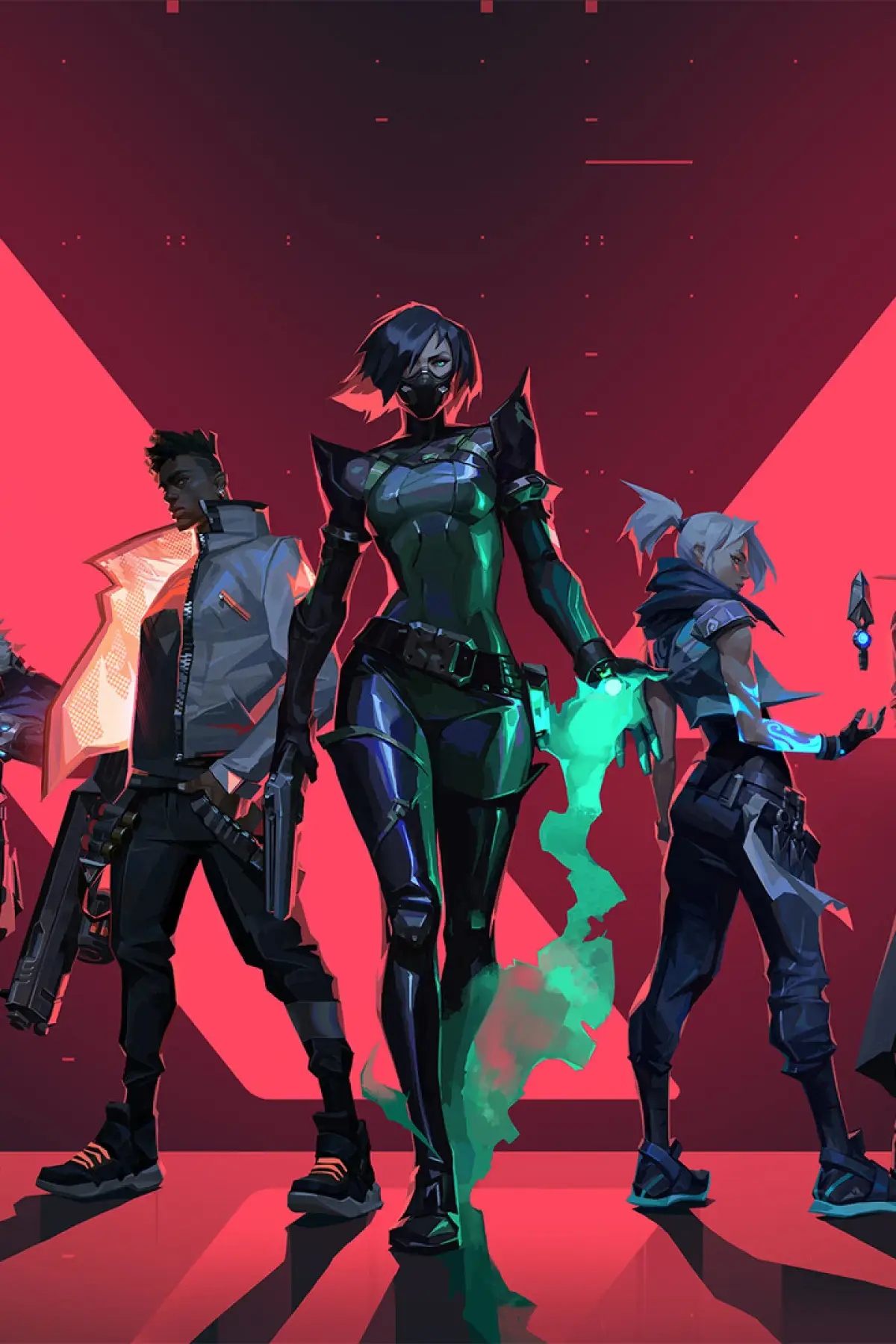
Master Valorant defaulting & mid-round adjustments. Learn to gather intel, adapt strategies, and outmaneuver opponents on the fly.
Adapting on the Fly: Defaulting and Mid-Round Adjustments
In the dynamic world of Valorant, rigid strategies can quickly become predictable and ineffective. The ability to "default" at the start of a round and make intelligent mid-round adjustments is a hallmark of advanced play. This section explores the concepts of defaulting and how to adapt your strategy based on real-time information to outmaneuver your opponents.
What is Defaulting?
Defaulting is a strategic approach where, at the start of a round, a team spreads out across the map to gather information and probe enemy defenses without committing to an immediate site execute. The goal is to:
- Gather Intel: Identify enemy positions, utility usage, and potential rotations.
- Create Pressure: Force defenders to react and potentially overcommit to certain areas.
- Identify Weaknesses: Spot undefended or lightly defended sites.
- Set Up for a Mid-Round Decision: Based on the gathered information, the team decides where and when to execute their attack.
How to Default Effectively:
- Spread Out, But Stay Connected: occupy different areas of the map to cover more ground, but remain within communication range.
- Use Information-Gathering Utility: Agents like Sova, Cypher, or Fade can use their abilities to scout enemy positions from a distance.
- Probe Angles: You can "peek" common angles to draw fire or spot enemies.
- Listen for Audio Cues: Footsteps, ability sounds, and gunshots provide crucial information.
- Communicate Constantly: Relay any information gathered immediately to the team.
Making Mid-Round Adjustments:
Once information is gathered during the default phase, the team needs to make a decisive mid-round adjustment. This involves analyzing the intel and choosing the best course of action.
Common Mid-Round Adjustments:
1. Committing to a Site Execute:
If intel reveals a site is lightly defended or a clear opening exists, the team can commit to a coordinated push.
- Timing: The execute should be timed to maximize the impact of utility and coordinated movement.
- Utility Usage: Smokes, flashes, and damaging abilities should be used to clear angles and overwhelm defenders.
- Agent Roles: Duelists lead the entry, initiators provide support, and controllers block vision.
2. Rotating to Another Site:
If the initial probe reveals a strong defense on one site, or if intel suggests an opportunity elsewhere, the team can rotate.
- Speed: Rotations need to be quick and efficient, especially on larger maps.
- Information: Ensure the team has a clear understanding of enemy positions before rotating.
- Lurks: A lurker can continue to apply pressure or catch rotating defenders.
3. Executing a Lurk Play:
A single player or a small group can attempt a lurk to catch enemies off guard, especially if they are focused on a main site push.
- Timing: The lurk should be timed to coincide with the main team's action or to create a distraction.
- Map Awareness: The lurker needs to be aware of enemy rotations and potential flankers.
4. Playing for Retake (Defense):
If attackers successfully take a site, defenders need to coordinate a retake strategy.
- Information: Gather intel on attacker positions and utility.
- Utility: Use smokes and flashes to isolate attackers and clear angles.
- Coordinated Push: Attack the site from multiple angles simultaneously.
Factors Influencing Mid-Round Decisions:
- Enemy Utility: What abilities have they used? What do they likely have left?
- Enemy Economy: Are they likely to have rifles or pistols?
- Teammate Positions and Ultimates: What resources does your team have available?
- Time Remaining: How much time is left on the clock?
Conclusion:
Defaulting and making intelligent mid-round adjustments are crucial skills for climbing the ranks in Valorant. By adopting a flexible approach, prioritizing information gathering, and communicating effectively, teams can adapt to any situation and consistently outmaneuver their opponents.
100% Human-Written. AI Fact-Checked. Community Verified. Learn how AntMag verifies content