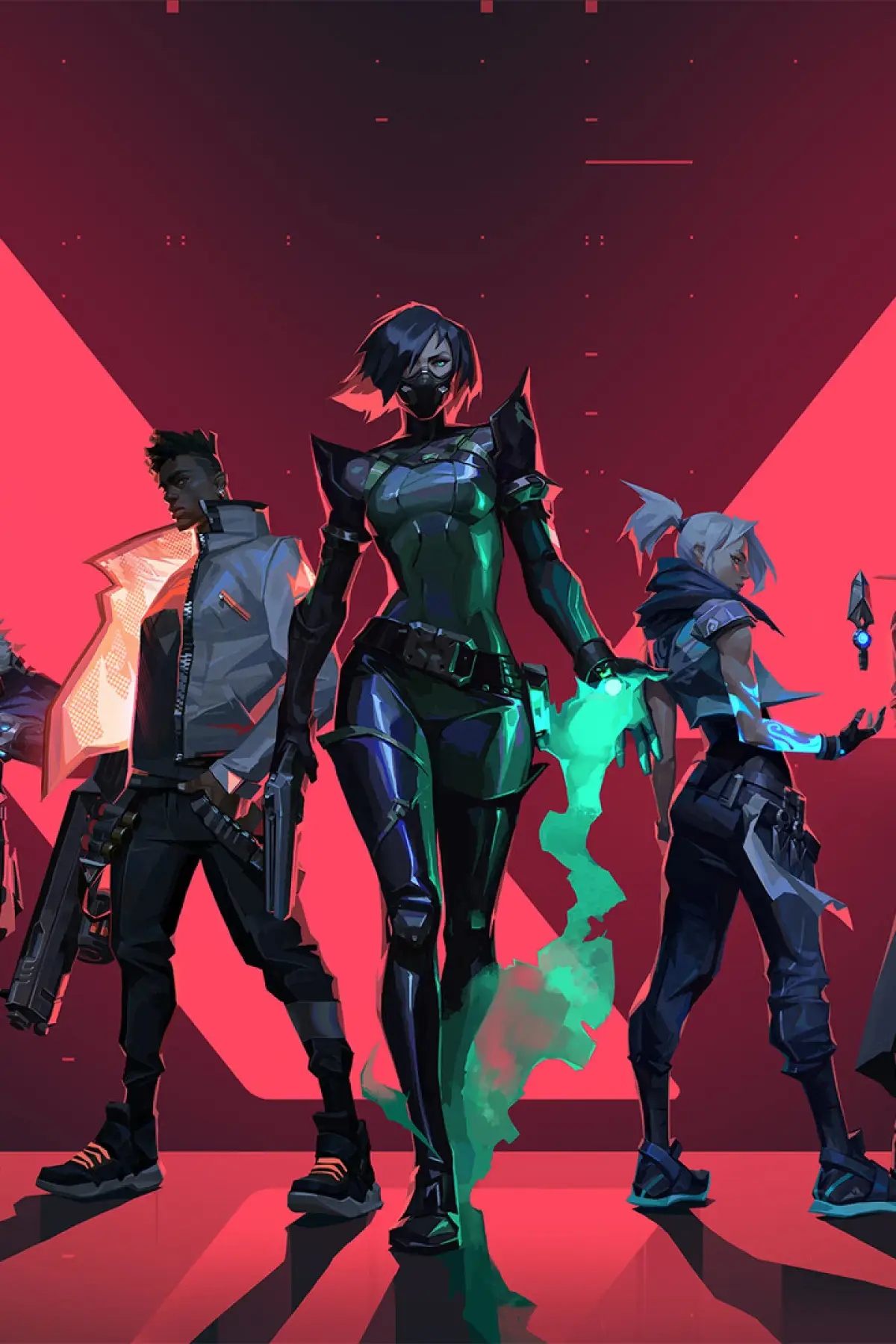
Master Fracture's attacker-sided strategies in Valorant, focusing on aggressive double entry tactics and controlling the central Dish area for map dominance.
Fracture, with its unique two-sided des and numerous pathways, presents distinct challenges and opportunities for both attackers and defenders. This map is often considered attacker-sided, particularly due to its multiple entry points and the ability for attackers to execute complex strategies. This section focuses on attacker-sided strategies and the powerful concept of double entry on Fracture.
Understanding Fracture's Layout:
Fracture's defining feature is its central "Dish" area and the two distinct sides of the map connected by it. Attackers can approach sites from multiple angles, making it difficult for defenders to cover all potential threats simultaneously. The map's verticality and numerous flank routes also play a significant role.
Why Fracture is Attacker-Sided:
- Multiple Entry Points: Both A and B sites have several ways to be attacked, forcing defenders to spread thin.
- Central Dish Control: Controlling the central Dish area allows attackers to rotate quickly between sites and apply pressure from multiple angles.
- Defender Vulnerability: Defenders can be easily flanked or caught out of position due to the map's open nature and numerous pathways.
- Utility Effectiveness: Certain agent abilities, like smokes and flashes, can be used to isolate angles and create openings for aggressive pushes.
The Power of Double Entry:
Double entry is a strategy where attackers split their team to hit a site from two different directions simultaneously. On Fracture, this is particularly potent due to the map's layout. A common double entry involves splitting the team to attack a site from its main entrance and a secondary, often more vulnerable, angle.
Executing a Double Entry on Fracture:
- Site A Double Entry:
- Main Entry: A group of 2-3 players pushes through A Main, using utility to clear angles and gain control of the site.
- Secondary Entry: Another 1-2 players rotate through the Dish and enter A Site from the A Short/Arcade side. This forces defenders to split their attention and creates crossfire opportunities.
- Site B Double Entry:
- Main Entry: A group of 2-3 players pushes through B Main, using utility to clear angles and gain control of the site.
- Secondary Entry: Another 1-2 players rotate through the Dish and enter B Site from the B Short/Green box side. This can catch defenders off guard who are focused on the B Main push.
Key Considerations for Double Entry:
- Communication is Paramount: Both groups must communicate their intentions and timings precisely.
- Utility Coordination: Flashes, smokes, and damaging abilities need to be timed to support both entry points simultaneously.
- Timing: The two entry points should ideally hit the site within seconds of each other to overwhelm defenders.
- Agent Composition: Agents with strong entry fragging potential (e.g., Jett, Raze, Phoenix) and utility that supports aggressive pushes are ideal.
Other Attacker Strategies on Fracture:
- Dish Control: Prioritizing control of the central Dish area allows for quick rotations and the ability to split push or fake pushes effectively.
- Mid-Round Rotations: The Dish facilitates rapid rotations, allowing attackers to exploit defender movements or retake a lost site.
- Lurking: A lurker can use the numerous flank routes to catch defenders off guard or to gather information on rotations.
Defensive Counterplay to Double Entry:
Defenders on Fracture must be highly coordinated and adaptable. They need to anticipate double entries by:
- Playing for Information: Using utility to scout potential entry points.
- Holding Crossfires: Positioning themselves to cover multiple angles.
- Quick Rotations: Being able to rotate swiftly to support a site under pressure.
- Using Defensive Utility: Setting up Killjoy turrets or Cypher trips to detect and delay pushes.
Conclusion:
Fracture rewards aggressive, coordinated attacking play. Mastering the double entry strategy, combined with effective Dish control and mid-round rotations, can make attackers incredibly potent on this map. Understanding these attacker-sided advantages is key to success on Fracture.
100% Human-Written. AI Fact-Checked. Community Verified. Learn how AntMag verifies content