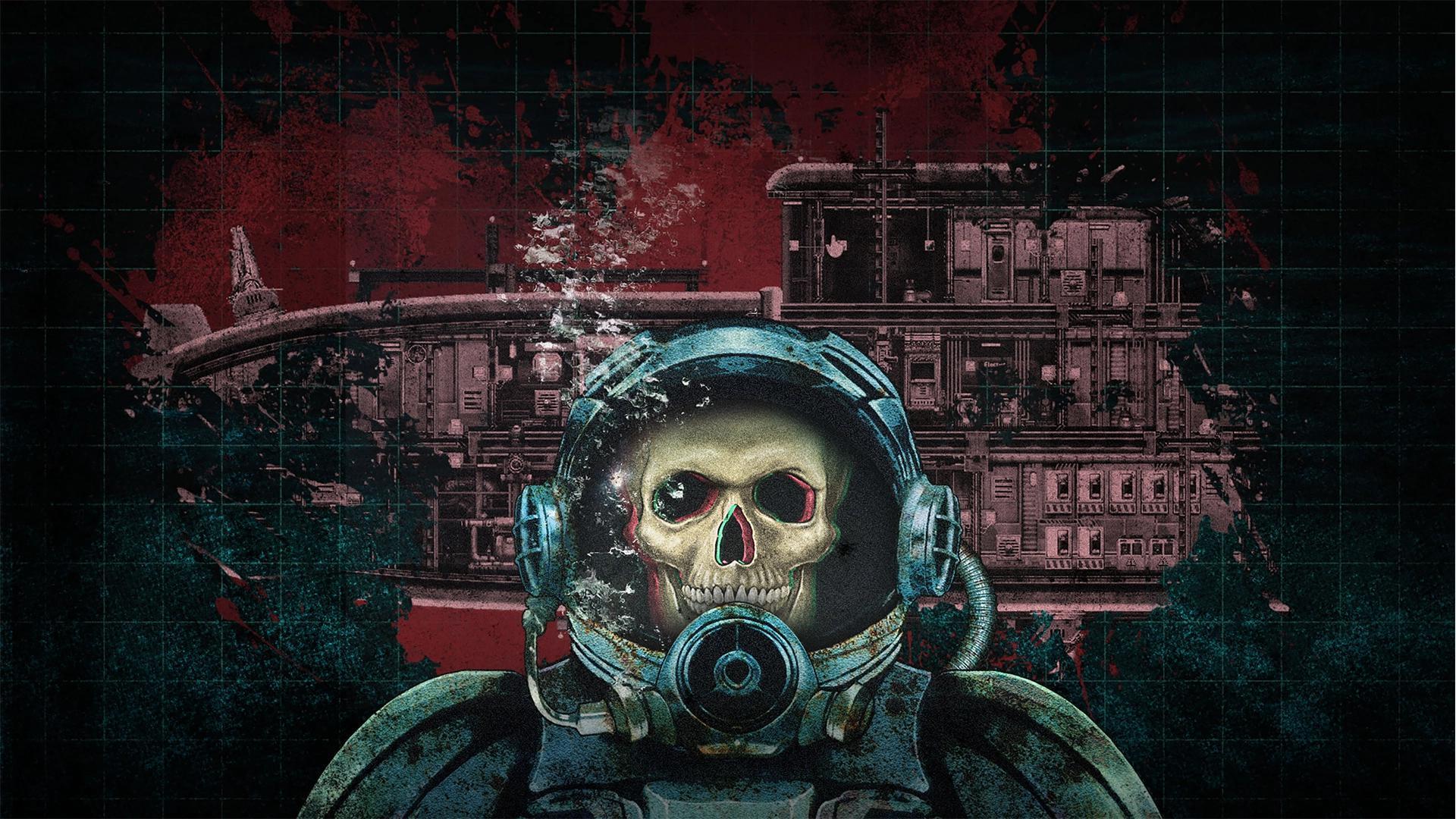

Learn Barotrauma's basic submarine controls, including helm, engine throttle, and ballast, for effective navigation and power management.
Operating a submarine in Barotrauma is a complex but rewarding task that requires coordination and understanding of various control systems. The primary controls for the submarine are typically managed by the Captain and Engineer. The Captain is responsible for navigation, steering the vessel through the treacherous waters of Europa, and managing overall submarine operations. The Engineer, on the other hand, focuses on the submarine's power generation and distribution, engine performance, and critical system maintenance. Key controls include the helm for directional control, engine throttle for speed, and ballast controls for adjusting buoyancy and depth. Understanding how these systems interact is crucial for efficient submarine operation and survival. For example, maintaining optimal speed while managing power consumption is a constant balancing act.
The submarine's systems are interconnected and rely on a steady supply of power. The reactor is the primary source of this power, and its output must be carefully managed by the Engineer. Overloading the reactor can lead to meltdowns, while insufficient power can cripple essential systems like life support, sonar, and weapons. The ballast controls are vital for diving and surfacing, as well as for maintaining a stable depth. Improper use of ballast can lead to uncontrolled ascents or descents, potentially damaging the submarine or exposing the crew to extreme pressures. Navigation involves using the helm and sonar to avoid obstacles, navigate through currents, and reach mission objectives. The Captain must also be aware of the submarine's fuel levels and ensure that the engines are functioning optimally. Effective communication between the Captain and Engineer is paramount for smooth operation, especially during combat or when navigating hazardous terrain.
Core Submarine Systems and Controls
- Helm: Used for steering the submarine. Controlled by the Captain.
- Engines: Control the submarine's forward and backward thrust. Throttle can be adjusted to control speed. Managed by the Engineer.
- Ballast Controls: Adjust the submarine's buoyancy to dive, surface, or maintain depth. Typically operated by the Engineer or Captain.
- Reactor: The primary power source for the submarine. Output must be managed by the Engineer to prevent overheating or power shortages.
- Sonar: Provides a visual representation of the surrounding environment, detecting creatures and obstacles. Operated by the Sonar Operator or Captain.
- Lights: Control external and internal lighting. Essential for visibility.
- Weapons Systems: Turrets and other offensive capabilities. Require power and often manual targeting.
Operational Procedures and Best Practices
- Maintaining Power Balance: The Engineer must constantly monitor power generation and consumption, ensuring critical systems have sufficient power.
- Safe Diving and Surfacing: Use ballast controls gradually to avoid sudden pressure changes or uncontrolled movements.
- Navigational Awareness: The Captain should utilize sonar and visual cues to avoid collisions with terrain, other submarines, or hostile creatures.
- Fuel Management: Monitor fuel levels and plan routes to avoid running out of power mid-mission.
- Emergency Procedures: Crew members should be aware of emergency protocols, such as activating emergency ballast or shutting down the reactor in critical situations.
Common Submarine Control Errors
- Reactor Meltdown: Pushing the reactor too hard without proper cooling or management can lead to a catastrophic meltdown.
- Uncontrolled Dives/Ascents: Rapidly changing ballast can cause the submarine to crash into the seabed or ascend too quickly, leading to hull damage or implosion.
- Collisions: Poor navigation and lack of sonar use can result in collisions with obstacles or hostile entities, damaging the submarine.
- Power Outages: Failing to manage power effectively can lead to blackouts, disabling essential systems like life support or weapons.
- oring System Malfunctions: Not addressing issues like engine failures or hull breaches promptly can escalate into mission-ending crises.
100% Human-Written. AI Fact-Checked. Community Verified. Learn how AntMag verifies content