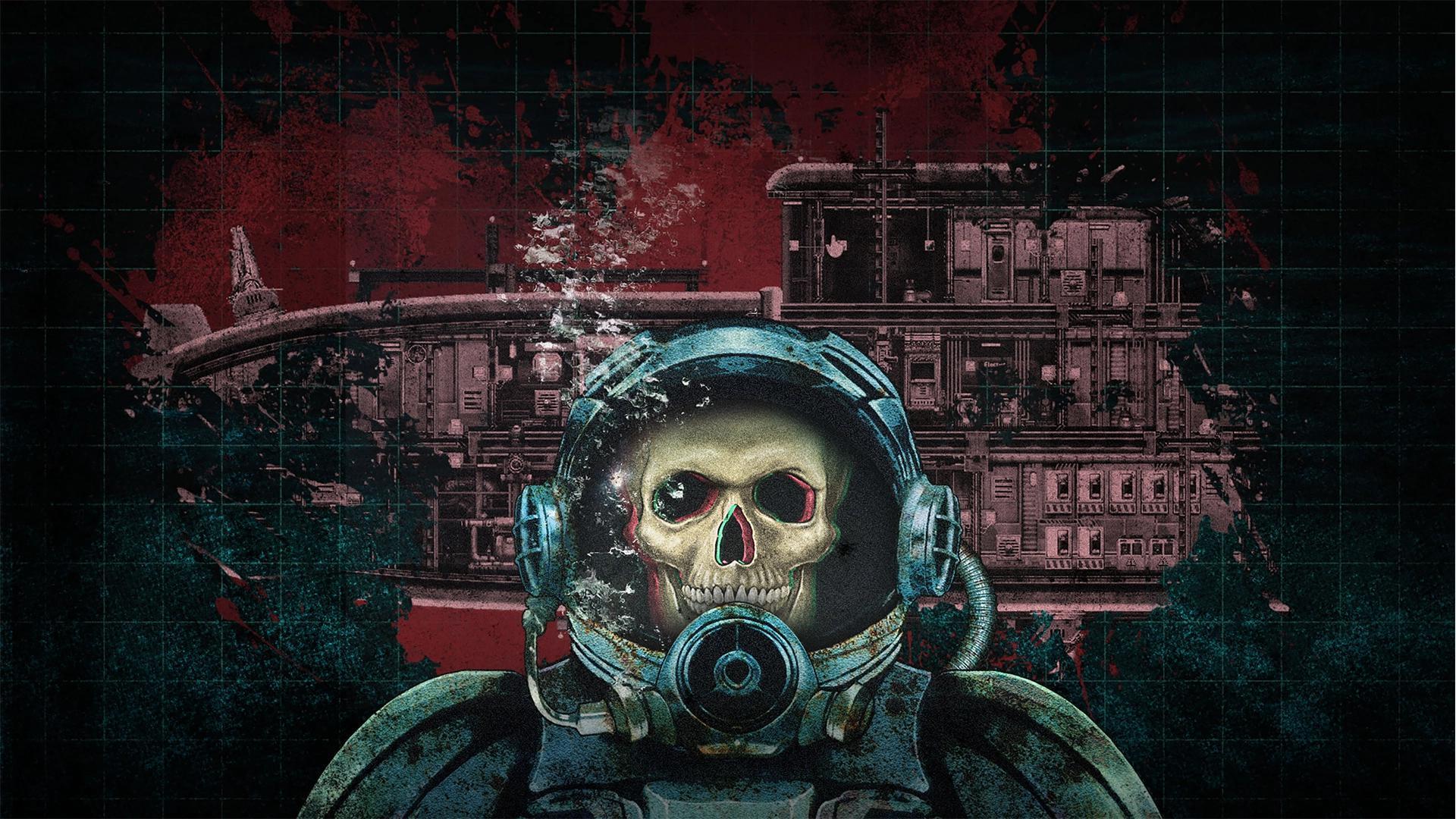

Master Barotrauma's Tier 2 submarines. Learn to manage complex electrical grids and enhanced systems while facing threats like the Hammerhead and Spinefish.
As crews venture deeper into Europa's unforgiving oceans, the transition to Tier 2 submarines marks a significant step up in complexity and capability. These vessels are designed to handle more demanding missions, often featuring improved hull strength, more advanced systems, and greater capacity for specialized equipment. while Tier 2 submarines offer a buffer against some of the more common threats encountered at lower tiers, they also introduce new challenges related to managing more intricate systems. The electrical grid becomes more complex, requiring a deeper understanding of power distribution and circuit management. Medical bays may be more sophisticated, allowing for more effective treatment of severe injuries sustained from creatures like the Hammerhead or the Spinefish. Furthermore, the increased size and functionality of these submarines demand a more coordinated crew effort, with specialized roles becoming even more critical. Success with Tier 2 submarines relies on a crew's ability to leverage their enhanced resources while mitigating the risks associated with their increased operational demands. Mastering the nuances of these submarines is essential for tackling the increasingly dangerous environments and missions that lie ahead.
Tier 2 submarines represent a crucial midpoint in a Barotrauma campaign, offering a balance between the raw survival focus of Tier 1 and the advanced capabilities of later tiers. These submarines often come equipped with more powerful engines, allowing for quicker evasion of threats, and enhanced weapon systems, providing a more robust defense against hostile fauna. The internal layout typically becomes more compartmentalized, offering better protection against flooding and internal fires. develop a more nuanced understanding of the submarine's electrical systems, as managing the power demands of advanced sonar, more powerful lights, and potentially automated defense turrets becomes a significant task for the Engineer. The medical facilities might include more advanced equipment, enabling the Medic to treat a wider range of ailments, including radiation poisoning or severe organ damage. However, with increased capability comes increased responsibility. The complexity of maintaining these systems, the higher operational costs, and the potential for more catastrophic failures if systems are mismanaged mean that crew coordination and individual job proficiency are more important than ever. Successfully navigating the challenges of Tier 2 submarines is a testament to a crew's growing mastery of Barotrauma's intricate mechanics and their ability to adapt to the escalating threats of Europa.
Key Features of Tier 2 Submarines
- Enhanced Hull Strength: Increased resistance to damage from collisions and creature attacks.
- Improved Propulsion: Faster engines allow for better maneuverability and evasion.
- Advanced Systems: May include more sophisticated sonar, improved lighting, and potentially automated defenses.
- Specialized Modules: Often feature dedicated areas for research, advanced medical treatment, or expanded cargo.
- Increased Crew Capacity: Designed to support a larger and more specialized crew.
Challenges Associated with Tier 2 Submarines
- Complex Electrical Systems: Managing power distribution for a wider array of advanced equipment.
- Higher Maintenance Costs: More sophisticated components require more resources and specialized repair skills.
- Potential for Catastrophic Failure: Mismanagement of complex systems can lead to more severe and rapid submarine destruction.
- Increased Operational Demands: Requires a higher level of coordination and individual job proficiency from the crew.
Example Tier 2 Submarine Scenario
While exploring a deep-sea trench, the Tier 2 submarine encounters a large, aggressive Thresher. The Captain orders evasive maneuvers while the Weapons Officer engages the creature with the submarine's railgun. Simultaneously, a stray projectile from the Thresher causes a breach in the engine room, and a fire breaks out. The Engineer must reroute power to the fire suppression system and the emergency pumps, while the Mechanic works to seal the breach. The Medic might be called upon to treat burns sustained by crew members working near the engine room, highlighting the interconnectedness of all roles on board.
100% Human-Written. AI Fact-Checked. Community Verified. Learn how AntMag verifies content