Build your dream submersible in Barotrauma. Learn custom submarine des basics, including hull selection, component placement, and electrical wiring.
Embarking on the journey of custom submarine construction in Barotrauma opens up a realm of unparalleled strategic depth and personalized gameplay. This feature allows players to move beyond the pre-designed vessels and craft a submersible tailored precisely to their crew's preferred playstyle, mission objectives, and aesthetic vision. The process begins with a foundational understanding of submarine components and their interdependencies. Players must consider the overall hull shape, the placement of critical systems like the reactor, engine room, and command bridge, and how these elements will affect internal flow and external maneuverability. The choice of materials for the hull and internal bulkheads will directly impact the submarine's resilience against pressure and damage. Furthermore, the strategic placement of weapon emplacements, sonar arrays, and docking ports is crucial for optimizing combat effectiveness and mission utility. Custom building is not merely about assembling parts; it's about creating a cohesive and functional vessel that can withstand the rigors of Europa while fulfilling specific strategic roles, whether that be a heavily armed warship, a swift exploration vessel, or a robust cargo hauler. The ability to des and build from the ground up offers a unique opportunity to experiment with different configurations and discover innovative solutions to the challenges presented by the game's unforgiving environment.
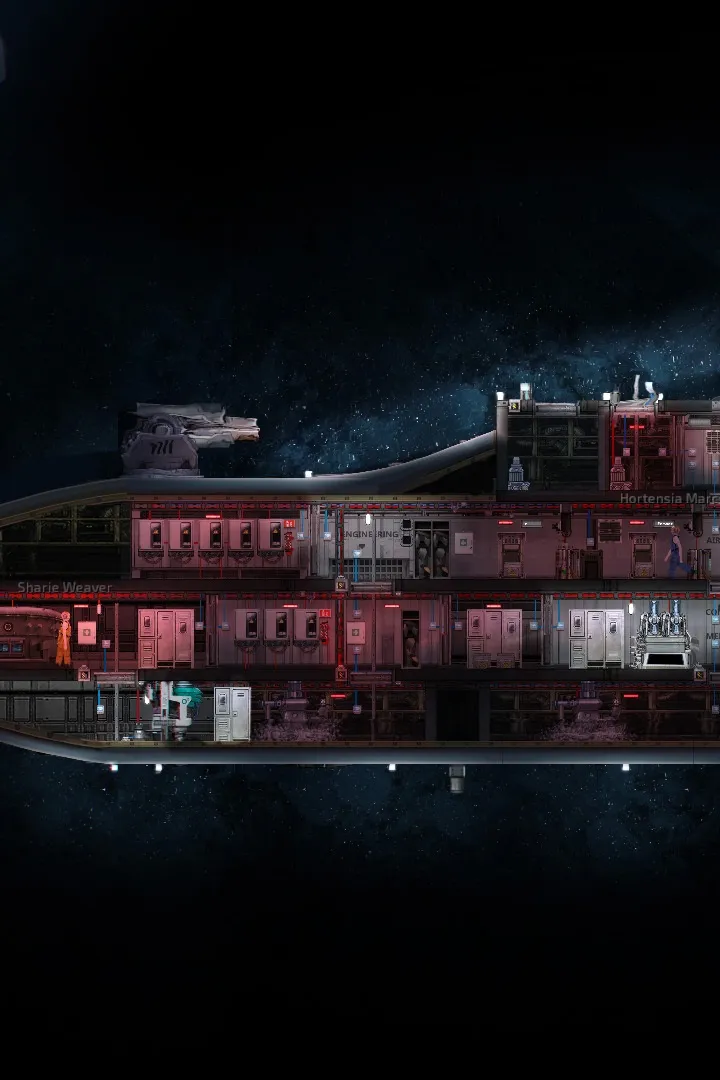
The process of custom submarine building in Barotrauma is a detailed and rewarding endeavor that requires careful planning and a solid grasp of the game's mechanics. At its core, it involves selecting a hull type and then meticulously placing and connecting various components to create a functional vessel. Players must consider the submarine's intended purpose. For instance, a combat-focused submarine will prioritize weapon placement, armor, and engine power for maneuverability, while an exploration vessel might emphasize advanced sonar, ample cargo space, and robust life support for extended missions. The electrical system is a critical aspect of custom des; players must ensure adequate power generation from the reactor to support all installed systems, including lights, pumps, weapons, and specialized modules. Wiring components correctly is paramount, as a poorly designed electrical grid can lead to power failures, system malfunctions, or even catastrophic electrical fires. Similarly, the plumbing system, responsible for managing ballast, water ingress, and potentially waste disposal, requires careful consideration to ensure efficient operation and prevent flooding. The placement of doors, hatches, and ladders also plays a vital role in crew movement and emergency response, impacting how quickly the crew can reach critical stations or escape danger. Ultimately, a successful custom submarine is a testament to the builder's understanding of Barotrauma's intricate systems and their ability to integrate them into a cohesive and effective whole.
Key Stages of Custom Submarine Building
- Hull Selection and Des: Choosing a base hull or constructing one from scratch, considering size, shape, and material properties.
- Component Placement: Strategically positioning essential systems like the reactor, engines, command bridge, and life support.
- Electrical Wiring: Connecting power sources to all systems, ensuring sufficient output and proper circuit management.
- Plumbing and Ballast Systems: Designing for efficient water management, ballast control, and potential waste systems.
- Weapon and Defense Systems: Integrating turrets, torpedo tubes, and other defensive measures.
- Interior Layout: Planning crew movement, station accessibility, and emergency escape routes.
Common Mistakes in Custom Submarine Des
- Insufficient Power Generation: Installing too many power-hungry systems without adequate reactor output.
- Poor Internal Layout: Creating bottlenecks or inaccessible areas that hinder crew movement during emergencies.
- Overlooking Hull Integrity: Using weak materials or inadequate reinforcement, leading to rapid structural failure.
- Complex but Inefficient Wiring: Creating electrical systems that are difficult to troubleshoot or prone to cascading failures.
- Neglecting Ballast Control: Inadequate pump capacity or poorly placed ballast tanks can lead to uncontrolled ascents or descents.
Example Custom Submarine Concept: The "Hammerhead" Explorer
A custom submarine designed for deep-sea exploration, the "Hammerhead" prioritizes speed and advanced sensor capabilities. Its hull is streamlined for minimal drag, and it features a powerful, yet efficient, engine system. The primary focus is on an advanced sonar suite, including long-range scanners and detailed mapping equipment, managed by the Captain and a dedicated Sonar Operator. It includes a modest but well-placed railgun for defense against smaller threats like Spinefish, and a reinforced hull to withstand minor collisions. The interior is designed for efficient crew movement, with clear pathways to the engine room, the bridge, and a small but functional medical bay. The Engineer must carefully balance the power demands of the extensive sensor equipment with the propulsion and defensive systems, ensuring the submarine can both detect and evade threats effectively.
100% Human-Written. AI Fact-Checked. Community Verified. Learn how AntMag verifies content