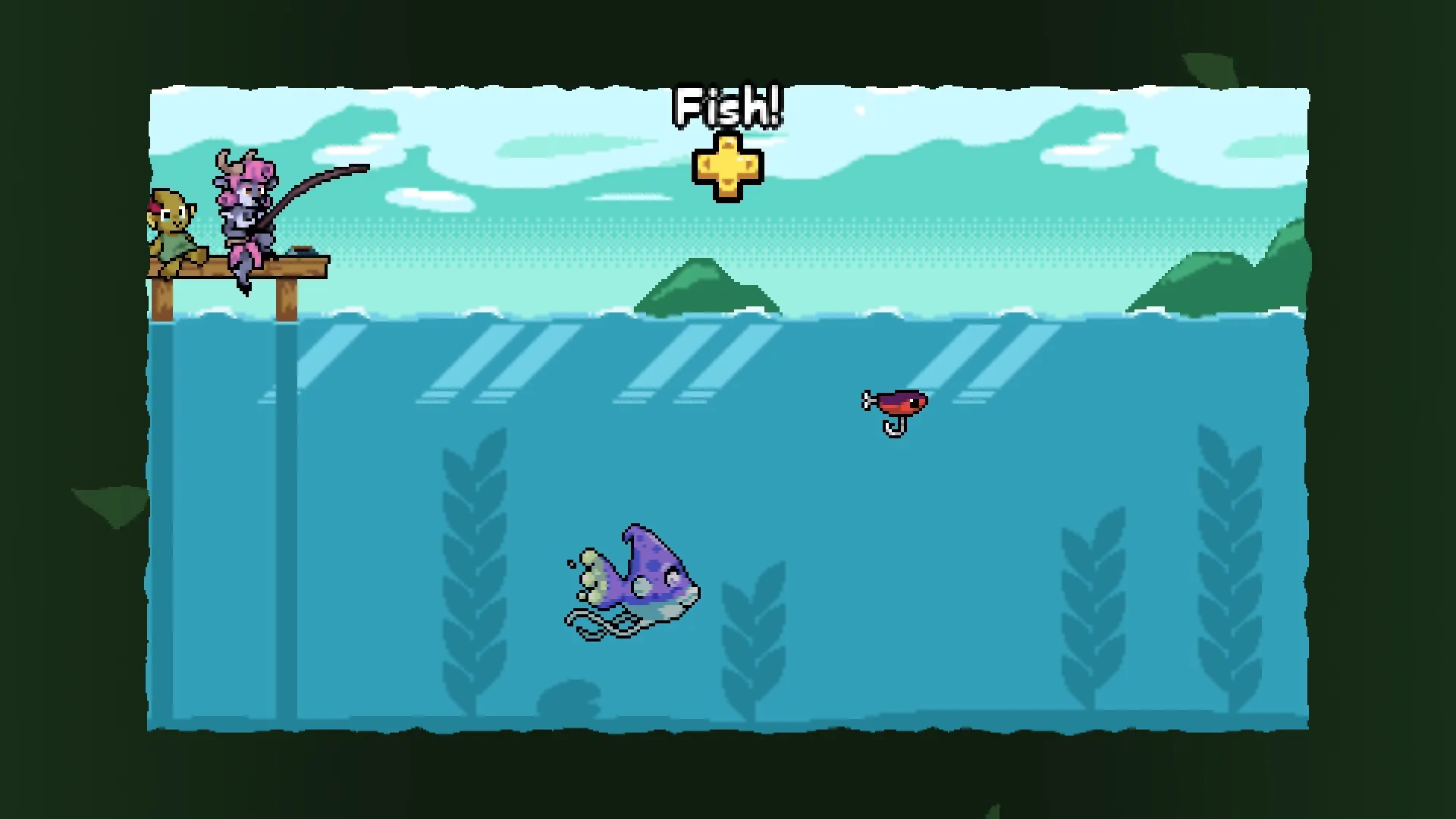
Welcome to Dreams of Aether, Lepioid's charming 2D action-adventure game! You'll step into the shoes of a female protagonist, navigating vibrant pixel art worlds filled with humor and challenging quests. As a Dream Weaver, your main goal is to master the ethereal realms, learning to harness dream affinities and wielding powerful Dream Weavers' Tools. This singleplayer experience, fully playable with a controller, offers a delightful journey through a world brimming with secrets.
This guide is here to help you conquer every aspect of Dreams of Aether. We'll cover everything from tracking down elusive collectibles and mastering the tricky boss fights, like the notoriously difficult 'Whispering Shadow' encounter, to achieving all those satisfying Steam Achievements. Whether you're aiming for a perfect playthrough or just trying to find your way through the 'Crystal Caves' without getting lost, we've got the tips and tricks you need to succeed.
Getting Started
Learn how to install The Aether II mod, craft your first portal, and survive the initial challenges of the Aether in this comprehensive getting started guide.
Getting Started
Learn how to install The Aether II mod, craft your first portal, and survive the initial challenges of the Aether in this comprehensive getting started guide.
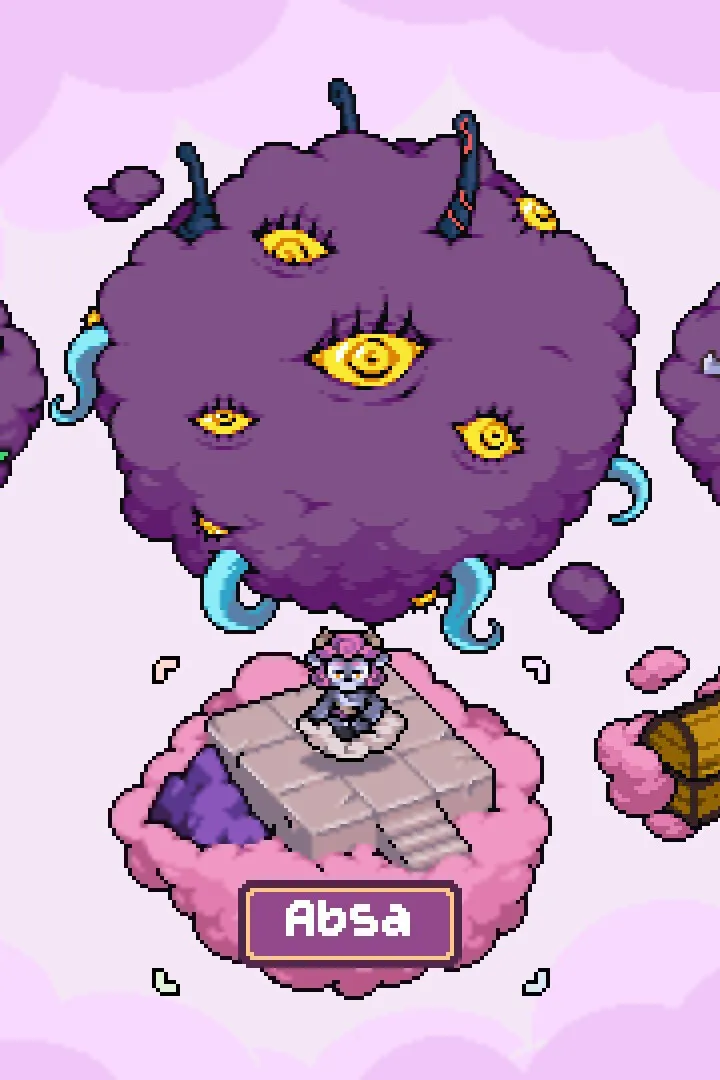
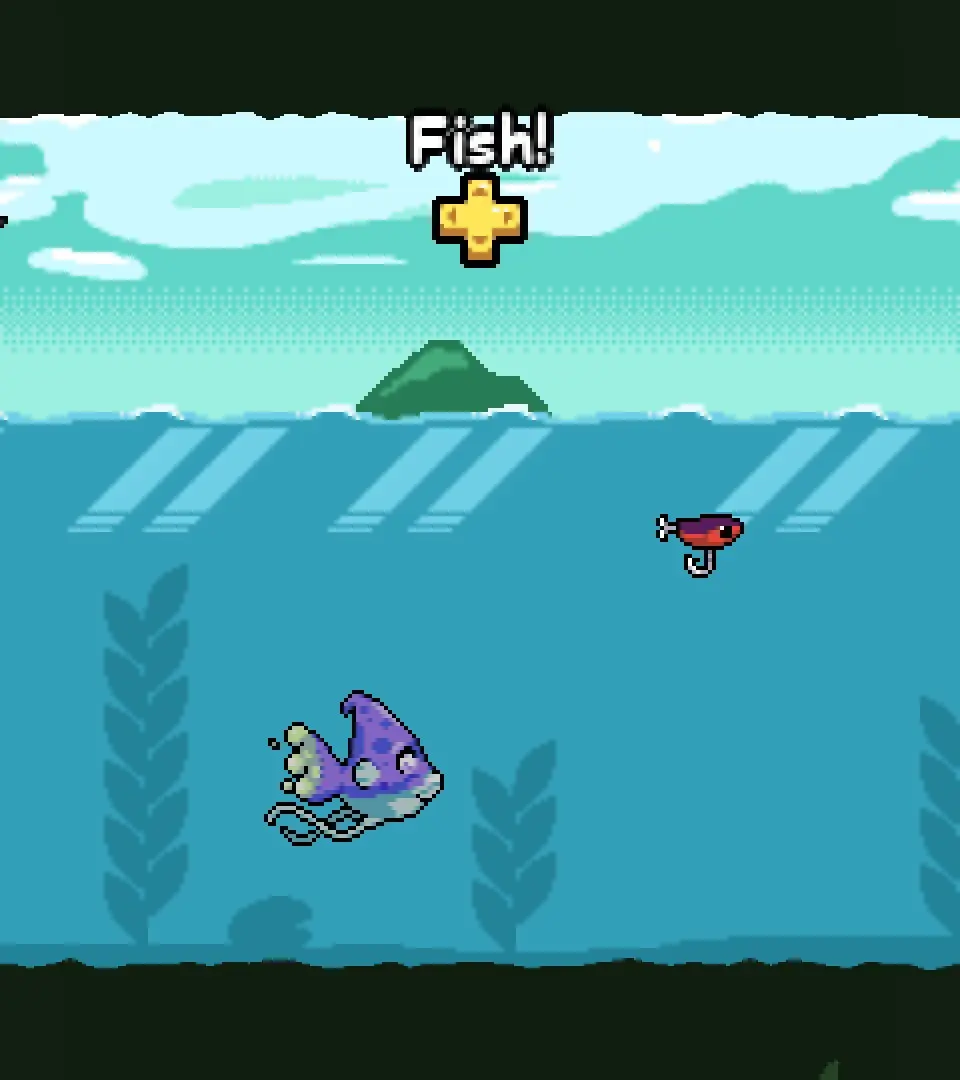
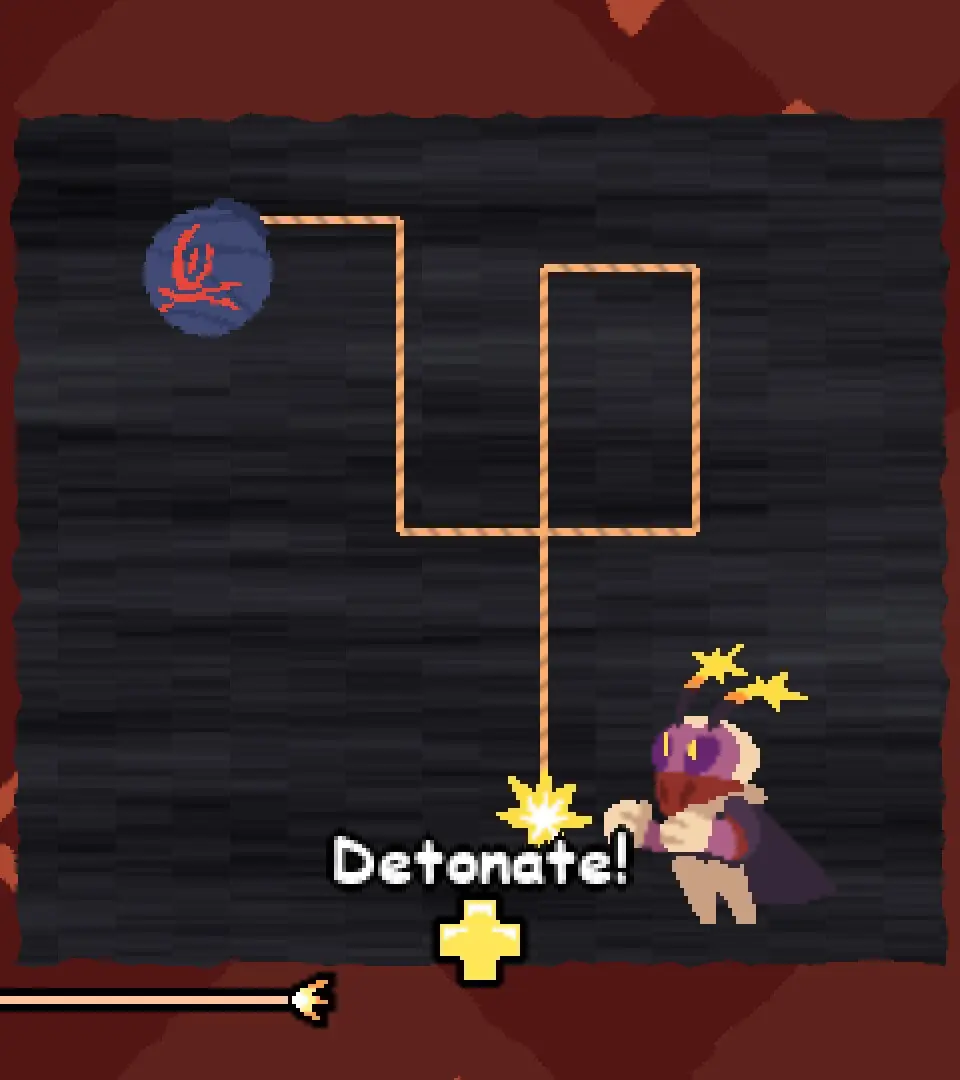


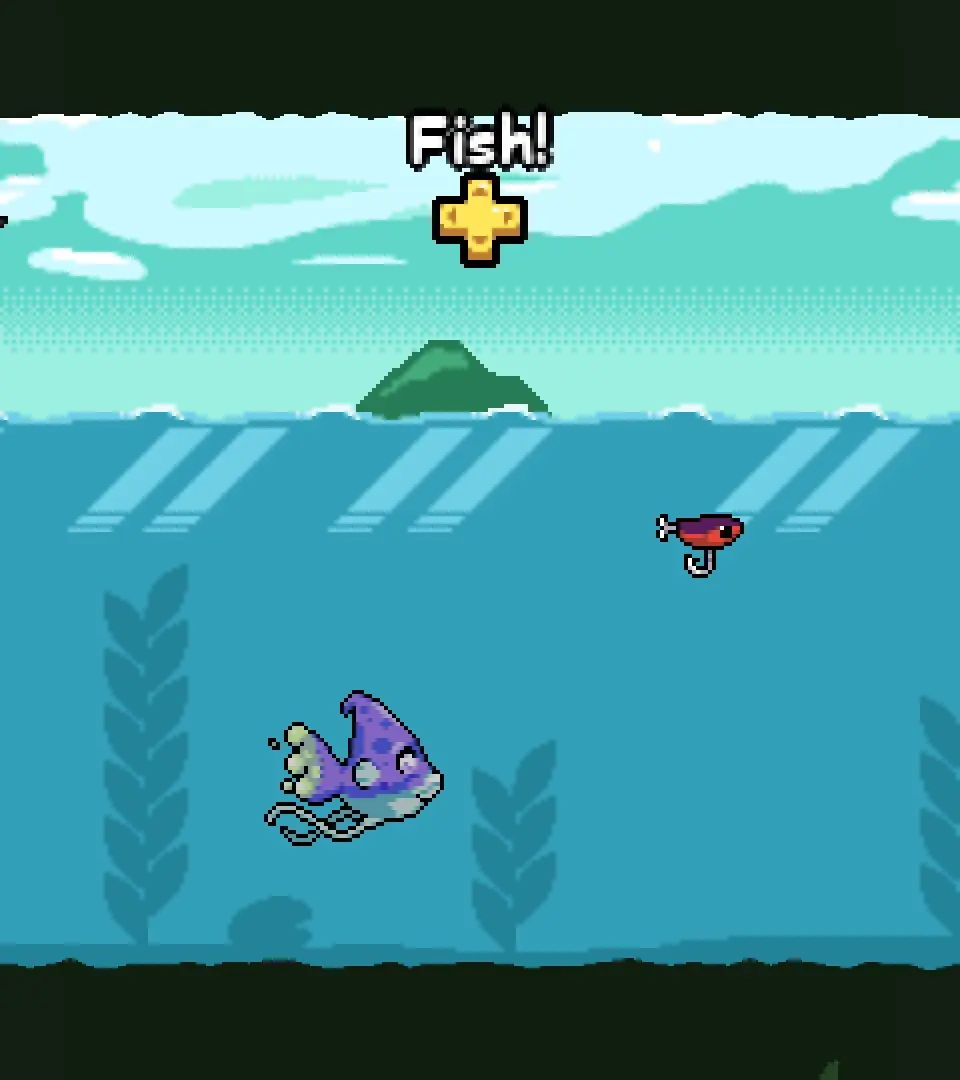

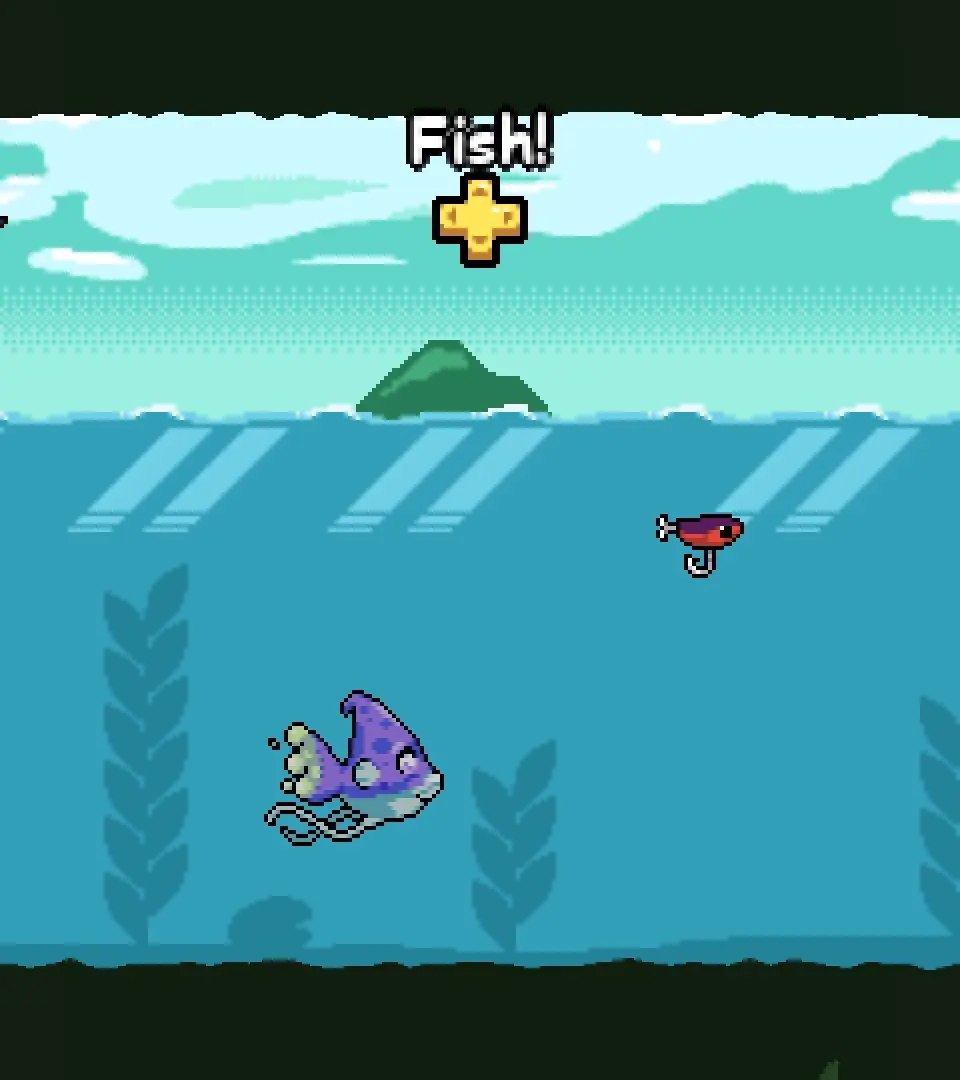
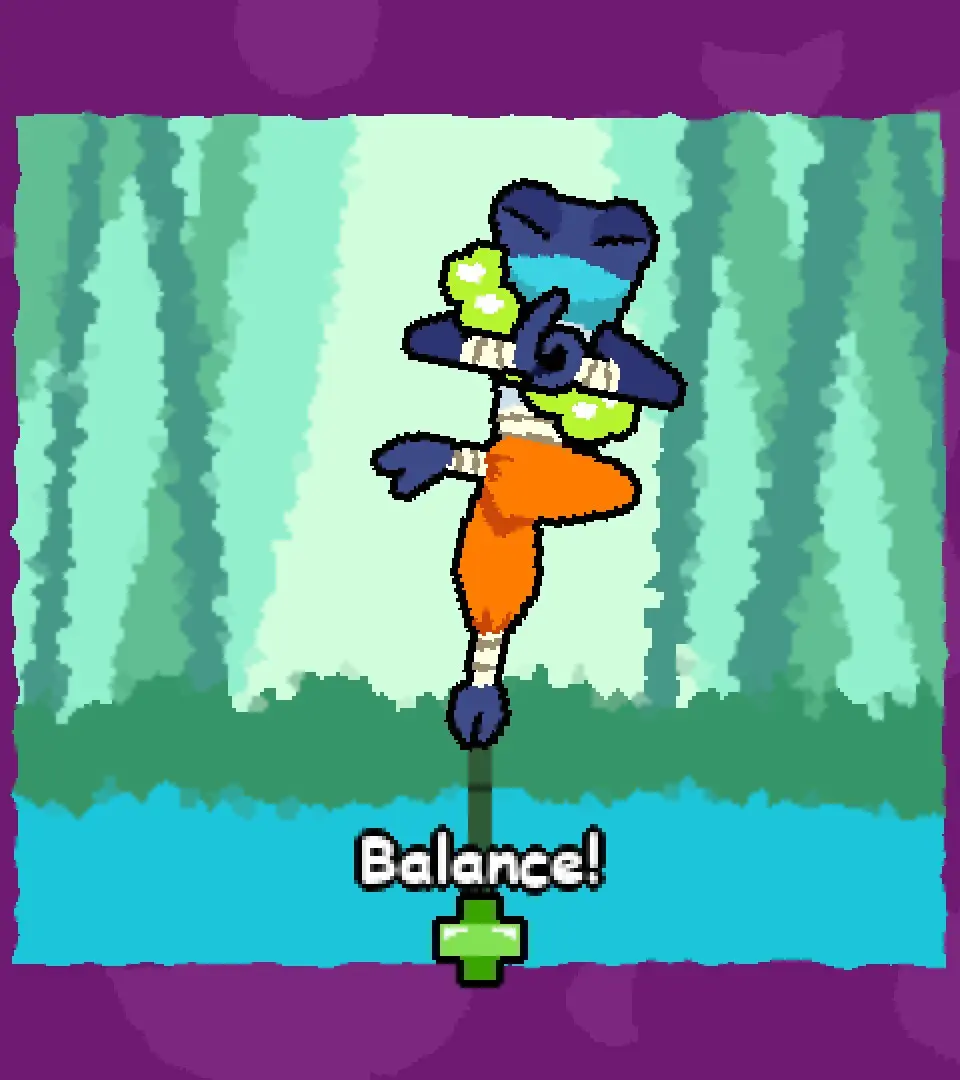
Controls & UI — Dreams of Aether Guide
Master the controls and UI in Dreams of Aether! This guide breaks down every button, mechanic, and menu to help you navigate the world like a pro. Get started now!
Installation & First Launch
Learn how to install and configure Dreams of Aether for optimal performance and a smooth first-time gameplay experience.
Congratulations on acquiring Dreams of Aether! This section will guide you through the initial steps of getting the game up and running on your PC, ensuring a smooth and enjoyable entry into the vibrant world of Aether. We'll cover the installation process, first launch essentials, and crucial initial setup steps to optimize your experience from the moment you press 'Play'.
Installation Process
The installation process for Dreams of Aether is managed by your chosen digital storefront (e.g., Steam, Epic Games Store, GOG). While the exact interface may vary slightly, the core steps remain consistent. Ensure you have adequate disk space and a stable internet connection before proceeding.
Estimated Download Size: Approximately 45 GB.
Estimated Installation Size: Dreams of Aether typically requires around 70-80 GB of free disk space after installation. This is due to the decompression of game files, the addition of temporary installation files, and potential shader caches.
-
Purchase and Download:
Acquire Dreams of Aether through your preferred digital storefront. Once purchased, navigate to your game library and initiate the download. The download manager will display the progress and estimated time remaining. It is highly recommended to download during off-peak hours if your internet connection is prone to congestion.
-
Installation:
Upon completion of the download, your storefront client will usually automatically begin the installation process. If it doesn't, locate Dreams of Aether in your library and click the 'Install' button. You will likely be prompted to select an installation directory. Choose a drive with ample free space (at least 80 GB recommended) and good read/write speeds for optimal loading times. SSDs are strongly recommended for Dreams of Aether.
-
Verification of Game Files (Highly Recommended):
After installation, especially if you encounter any launch issues or unexpected behavior, it is crucial to verify the integrity of your game files. This process checks for any corrupted or missing files and redownloads them. The method varies by platform:
- Steam: Right-click Dreams of Aether in your Library -> Properties -> Local Files -> Verify integrity of game files...
- Epic Games Store: Go to your Library -> Click the three dots (...) next to Dreams of Aether -> Manage -> Verify.
- GOG Galaxy: Go to your Library -> Click Dreams of Aether -> Installation tab -> Verify & Repair.
This step can resolve a wide range of common problems and ensures you're running the most stable version of the game.
First Launch and Initial Setup
With the installation complete and files verified, you're ready to step into the world of Aether. The first launch involves a few crucial steps to ensure optimal performance and a comfortable gameplay experience.
-
Launch the Game:
Locate Dreams of Aether in your game library or via a desktop shortcut and click 'Play'. The game may perform a brief initial setup or shader compilation on the first launch, which can take a few minutes depending on your system's speed. Be patient during this process.
-
Title Screen and Initial Menus:
You'll be greeted by the evocative title screen, often featuring dynamic artwork or a cinematic snippet. From here, you can access the main menu. Before diving into the game world, it is paramount to visit the 'Options' or 'Settings' menu.
-
Accessing the Options Menu:
Navigate to the 'Options' menu, typically accessible directly from the main title screen. This is where you'll tailor the game's graphics, audio, and controls to your specific hardware and preferences. Spending a few minutes here can prevent performance issues and enhance your overall enjoyment.
Optimizing Your Experience: The Options Menu Deep Dive
The 'Options' menu is your primary tool for fine-tuning Dreams of Aether. Prioritizing certain settings can significantly impact performance, visual clarity, and your ability to react quickly in combat.
Display Settings (Visual Fidelity & Performance Impact)
These settings directly control how the game looks and how your GPU renders the world. Adjusting them is key to balancing visual quality with frame rate.
-
Resolution:
Set this to your monitor's native resolution (e.g., 1920x1080 for Full HD, 2560x1440 for QHD, 3840x2160 for 4K) for the sharpest and most detailed image. Lowering the resolution is a drastic but effective measure for severe performance problems, though it will make the image appear blurry.
-
Display Mode:
- Fullscreen: Generally offers the best performance as it allows the game exclusive control over your display output.
- Windowed: Allows you to alt-tab more easily but can sometimes incur a slight performance penalty.
- Borderless Windowed: A good compromise, offering fullscreen-like immersion with easier alt-tabbing, but may have minor performance overhead compared to true fullscreen.
-
V-Sync (Vertical Synchronization):
Synchronizes the game's frame rate with your monitor's refresh rate to prevent screen tearing.
- On: Eliminates screen tearing but can introduce input lag and cap your frame rate to multiples of your refresh rate (e.g., 30 or 60 FPS on a 60Hz monitor).
- Off: Allows the game to render as many frames as possible, potentially leading to screen tearing but offering the lowest input lag.
- Adaptive/Fast Sync: If available, these technologies aim to reduce tearing without the significant input lag of traditional V-Sync. Experiment to find your preference.
-
Motion Blur:
Adds a blurring effect to fast-moving objects or camera pans, intended to simulate motion. While it can enhance the feeling of speed, many players find it disorienting or a cause of visual choppiness. Toggling this off is often recommended for clearer visuals and potentially a slight performance boost.
-
Field of View (FOV):
Determines how much of the game world is visible on screen. A wider FOV (higher value) shows more of the environment but can slightly decrease performance and make distant objects appear smaller. A narrower FOV (lower value) can improve performance and make distant targets appear larger but reduces situational awareness.
Graphics Settings (Performance Optimization)
These settings have the most significant impact on your frame rate. If you're experiencing stuttering or low FPS, systematically lower these settings, starting with the most demanding.
-
Shadow Quality:
Often the single most performance-intensive setting. Reducing shadow quality from 'Ultra' to 'High', 'Medium', or 'Low' can provide substantial FPS gains. Lower settings will result in less detailed and shorter-range shadows.
-
Anti-Aliasing (AA):
Smooths out jagged edges on polygons. Common types include FXAA (less demanding but can blur textures), SMAA, and MSAA (more demanding but higher quality). Lowering the AA level or switching to a less intensive method can significantly improve performance.
-
Texture Quality:
Determines the resolution and detail of in-game textures. If you have a graphics card with ample VRAM (e.g., 8GB+), you can likely keep this on 'High' or 'Ultra'. If you have limited VRAM (e.g., 4GB or less), lowering this to 'Medium' or 'Low' can prevent stuttering caused by VRAM overflow.
-
Ambient Occlusion (AO):
Adds subtle contact shadows where objects meet, enhancing depth and realism. Turning AO off or setting it to a lower quality preset (e.g., SSAO instead of HBAO+) can yield a noticeable FPS improvement.
-
Post-Processing Effects:
This umbrella term includes effects like Bloom, Depth of Field (DoF), Lens Flares, and Color Grading. These can be visually appealing but are often computationally expensive. Experiment with disabling them individually or as a group to find a balance.
-
Environmental Detail / Draw Distance:
Controls the complexity and rendering distance of foliage, props, and other environmental elements. Reducing these can help in open-world areas with a lot of detail, especially on lower-end systems.
-
Volumetric Lighting/Fog:
Adds realistic lighting effects for fog, smoke, and light shafts. This can be very demanding. Lowering its quality or disabling it can provide a significant performance boost.
Audio Settings
Fine-tune your auditory experience to ensure you don't miss crucial gameplay cues.
- Master Volume: The overall sound level for the game.
- Music Volume: Adjust the intensity of the game's dynamic soundtrack.
- Sound Effects Volume: Critical for gameplay. Ensure enemy footsteps, ability activations, and environmental cues are clearly audible.
- Dialogue Volume: Adjust for clear comprehension of character conversations and narrative elements.
Controls Settings
Customize your input methods for maximum comfort and responsiveness.
- Keybindings: Remap keyboard and mouse controls to your preferred layout. Consider assigning frequently used abilities or actions to easily accessible keys.
- Controller Support: If using a gamepad, ensure it's detected. You can often customize button layouts, stick sensitivity, and dead zones.
- Mouse Sensitivity: Crucial for aiming accuracy. Find a sensitivity that allows for both quick turns and precise targeting.
- Camera Speed: Adjust how quickly the camera moves when not actively aiming.
Take your time to experiment with these settings. A well-configured 'Options' menu is the foundation for a smooth and immersive journey through Dreams of Aether. Once satisfied, you're ready to begin your adventure!
Character Creation
Learn how to encode Dream Aether to enhance your character's attributes in Dreams of Aether. Discover the basics of encoding, different grades, and attribute costs.
Character Creation
Learn how to encode Dream Aether to enhance your character's attributes in Dreams of Aether. Discover the basics of encoding, different grades, and attribute costs.
Similar guides you might like



100% Human-Written. AI Fact-Checked. Community Verified. Learn how AntMag verifies content