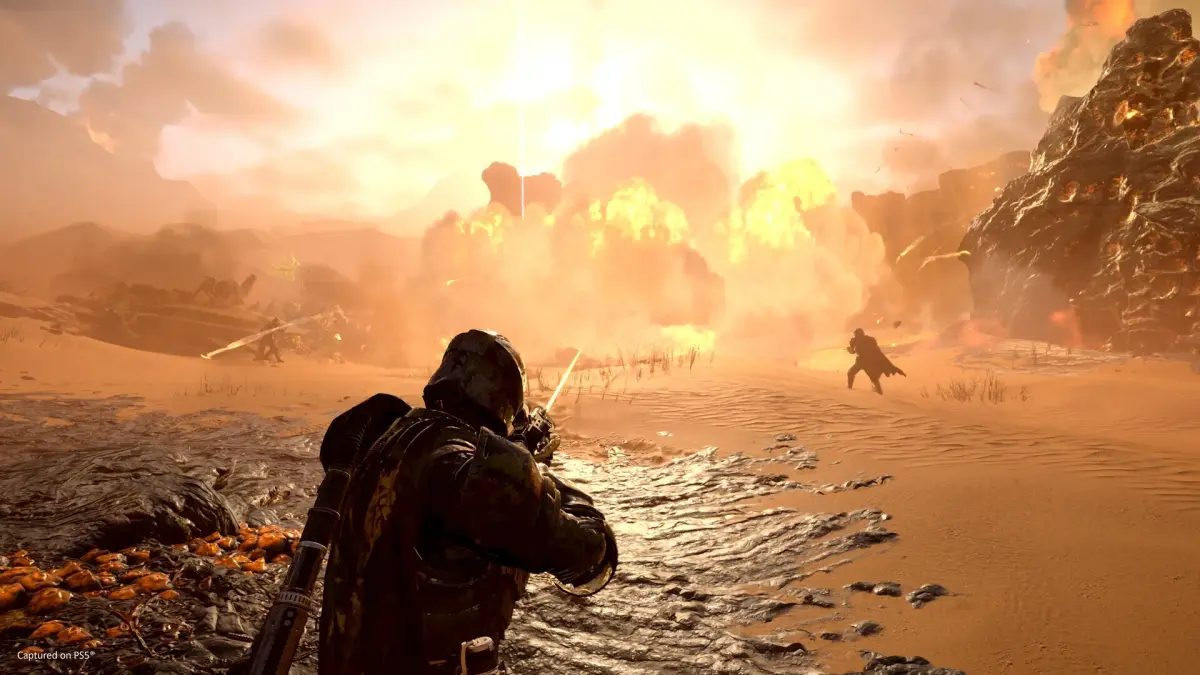
Prepare for the galaxy's dynamic battlegrounds. This Helldivers 2 guide covers planet environments, from harsh.
Helldivers 2: Navigating the Planets of War
The galaxy is your battlefield! This guide explores the diverse planets you'll liberate in Helldivers 2, detailing their unique environmental challenges and strategic considerations. Understanding planetary conditions is crucial for mission success and survival.
Each planet in Helldivers 2 presents a unique set of challenges, from extreme weather phenomena to treacherous terrain. Successfully deploying and completing objectives requires adapting your tactics to the specific environment. This section will help you prepare for the diverse planetary conditions you'll encounter.
Environmental Hazards and Their Impact
Planets are not just backdrops; they are active participants in the war effort. Be prepared for the following environmental factors:
| Hazard Type | Description | Tactical Implications |
|---|---|---|
| Blizzards | Heavy snowfall reduces visibility and slows movement. | Use thermal vision if available. Advance cautiously and stick together. |
| Sandstorms | Intense dust storms severely limit visibility. | Similar to blizzards, prioritize close-quarters combat and rely on audio cues. |
| Meteor Showers | Randomly falling meteors deal significant damage. | Stay alert and move between cover. Listen for the whistling sound indicating an incoming meteor. |
| Acid Rain | Corrosive rain that deals damage over time. | Seek shelter in buildings or use defensive Stratagems to create safe zones. |
| Volcanic Activity | Lava flows and geysers pose environmental threats. | Avoid lava pools and be mindful of erupting geysers. |
| Extreme Temperatures | Some planets have extreme heat or cold, affecting stamina. | Equip appropriate armor or use Stratagems that mitigate temperature effects. |
Planet Types and Biomes
While specific planet names are procedurally generated, they fall into distinct biome categories, each with its own visual theme and potential hazards:
- Frozen Worlds: Characterized by ice, snow, and blizzards. Movement can be difficult.
- Desert Worlds: Often feature sandstorms, extreme heat, and rocky terrain.
- Jungle Worlds: Dense vegetation can obscure vision, and some may feature acid rain or poisonous flora.
- Volcanic Worlds: Dominated by lava, ash, and geysers.
- Rocky/Barren Worlds: Typically feature harsh terrain and can be subject to meteor showers.
Strategic Considerations for Different Planets
- Visibility: In low-visibility conditions (blizzards, sandstorms), rely on your minimap, audio cues, and close-range combat.
- Movement: Terrain can affect your speed. Utilize jump packs or vehicles if available to traverse difficult landscapes.
- Cover: Utilize natural rock formations, structures, or deployable cover to protect yourself from environmental hazards and enemy fire.
- Objective Placement: Be aware that objectives might be placed in hazardous areas, requiring careful planning for approach and defense.
The Importance of Extraction Zones
The extraction zone can also be affected by planetary conditions. Always scout the area and be prepared for a final stand against overwhelming odds as you await your transport.
By understanding and adapting to the diverse planetary environments, you'll significantly increase your chances of survival and contribute more effectively to Super Earth's liberation efforts.
100% Human-Written. AI Fact-Checked. Community Verified. Learn how AntMag verifies content