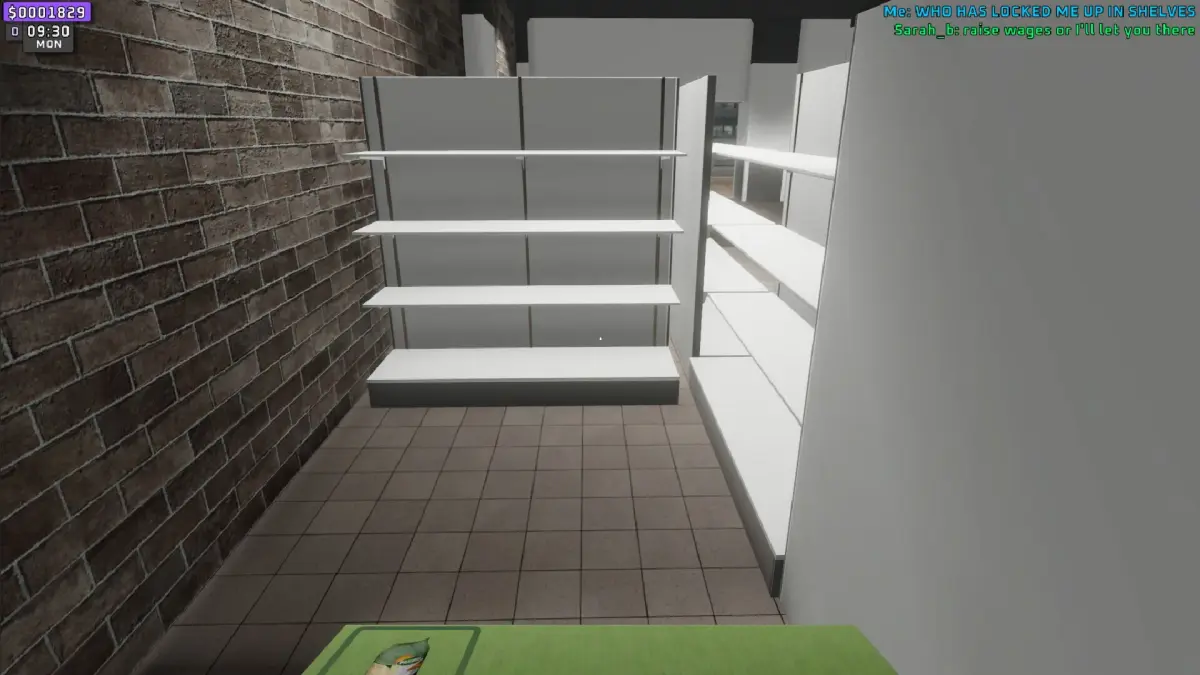
Master shelf stocking in Supermarket Together. Learn efficient processes, strategies, and best practices for replenishing products and maintaining store appeal.
Shelf stocking is the backbone of your supermarket's operations in Supermarket Together. It's the process of replenishing your shelves with products from your storage, ensuring that customers can always find what they need. Efficient stocking directly impacts sales, customer satisfaction, and the overall appearance of your store.
Mastering shelf stocking involves more than just moving boxes. It requires strategic planning, efficient movement, and an understanding of product placement. A well-stocked store is inviting and functional, while an empty shelf can lead to lost sales and frustrated shoppers. This guide will help you optimize your stocking process.
The Stocking Process
The typical shelf stocking process involves several steps:
- Inventory Check: Regularly monitor your shelves for low stock items. This can be done visually or by using in-game inventory management tools.
- Retrieve from Storage: Go to your storage area and gather the required products. Use a stocking cart or trolley to transport larger quantities efficiently.
- Transport to Sales Floor: Move the products from storage to the designated aisle and shelf.
- Organize and Place: Arrange the products on the shelf. This involves:
- Facing: Ensuring product labels are facing forward and are easily visible.
- Fronting: Pulling items forward to fill any gaps and create a full, appealing look.
- FIFO (First-In, First-Out): For perishable items, place older stock at the front and newer stock behind it to ensure older items are sold first.
- Product Placement: Adhering to merchandising guidelines (e.g., placing high-margin items at eye level).
- Clean Up: Dispose of any packaging or debris from the restocking process.
Efficient Stocking Strategies
To optimize your stocking efforts:
- Prioritize High-Demand Items: Focus on restocking popular products first, especially during peak hours.
- Restock During Off-Peak Hours: If possible, schedule major restocking during quieter periods to minimize disruption to shoppers.
- Use Stocking Carts Effectively: Load carts with items for a single aisle or section to avoid multiple trips.
- Develop Efficient Routes: Plan your movement through the store to minimize travel time between storage and shelves.
- Train Staff: Ensure all employees involved in stocking understand the process and best practices.
- Utilize Technology: If the game provides inventory scanners or handheld devices, use them to quickly identify low stock and locate items in storage.
Common Stocking Challenges
Be prepared for:
- Limited Storage Space: If your storage is full, you may need to sell through existing stock before new deliveries arrive.
- High Customer Traffic: Stocking during busy periods requires extra care to avoid bumping into customers or blocking aisles.
- Product Variety: Managing a large number of SKUs (Stock Keeping Units) can be complex.
- Perishable Goods: Strict adherence to FIFO is essential to prevent spoilage and waste.
Example Scenario: "Morning Rush" Restocking
It's 7 AM, just before opening. You need to ensure the breakfast cereal aisle is fully stocked. You retrieve several boxes of popular cereals from storage using a stocking cart. You then go to the cereal aisle, pull existing boxes forward, place new boxes behind them (FIFO), and ensure all labels are facing the customer. You quickly dispose of the empty boxes and are ready for the first customers.
Effective shelf stocking is a continuous process that directly contributes to a positive shopping experience and a profitable supermarket in Supermarket Together.
100% Human-Written. AI Fact-Checked. Community Verified. Learn how AntMag verifies content