New to The Universim? Learn how to get started by placing your first Epicenter, building essential structures like Wells and Farms, and managing your Nuggets' basic needs for survival and growth.
Alright, so you've just booted up The Universim and you're staring at a brand new planet. Don't worry, it's not as overwhelming as it looks! This guide is all about getting your first civilization off the ground, from placing that crucial first building to making sure your little Nuggets don't, you know, die. Think of this as your friendly nudge in the right direction – there's no single 'right' way to play, but this will get you rolling!
The Absolute Basics
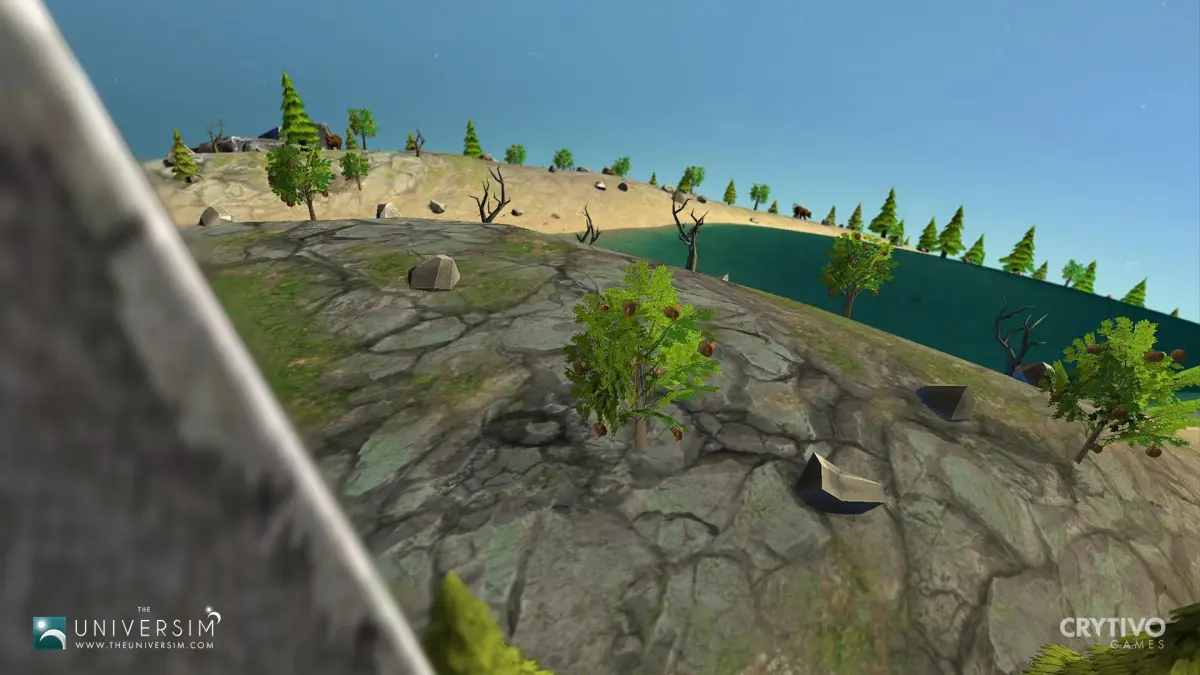
When you first start, the game will offer you a quick tutorial. I highly recommend jumping into it! It'll cover the camera controls and some basic game mechanics that'll make everything else way smoother. After that, you'll be looking at your Mother Planet. Each one is unique, randomly generated with familiar features like water, forests, and different seasons, kind of like Earth. This is where your civilization begins!
Your First Building: The Epicenter
Your very first construction project is the Epicenter. This is the heart of your budding civilization. Once it's up, it'll spawn your first four Nuggets – two adults and two kids. The key here is placement: try to build your Epicenter near a water source, a forest, and some loose rocks. Having these resources close by means your Nuggets won't waste precious time trekking across the map. When you've found the perfect spot, just left-click to confirm. Easy peasy!
Construction Essentials
Water, Water Everywhere (Hopefully)
With your initial four Nuggets (the adults will get straight to work gathering resources), your first priority is water. You'll want to build a Well. Click that hammer icon in the bottom-left corner to open the Buildings menu, then find the Well under the Epicenter category. Place it near a good water source – the game will show you numbers indicating the quality of the source, so aim for the highest!
While the Well is being built, take a look at your surroundings. If you have multiple water bodies nearby, you can plan for more Water Pumps or even Fisher Piers to get food. More water sources mean faster resource gathering. Once the Well is done, build a Water Pump next, as most other buildings need it to function.
Fueling Your Civilization: Food
After securing your water supply, it's time to think about food. You've got two main options: fishing with your Piers or building Farms. If you go the farming route, you might need another Water Pump to keep those crops hydrated. Different crops have different needs – some prefer certain biomes or temperatures, and some take longer to grow but yield more. My advice? Start with a crop that doesn't need a ton of water.
Keeping Things Running: Maintenance
As your population grows, you'll need to build an Engineer's Hut. This is super important because your Engineers will be able to repair buildings. If buildings fall into disrepair, they can collapse, and rebuilding them from scratch is a huge waste of resources. You should also consider building a Hospital or a Cemetery around this time. Injured Nuggets need healing, and unburied corpses can spread illness. A widespread sickness or injury outbreak can quickly cripple your civilization.
The Little Extras: Accessories
Once the basics are covered, you can start adding some conveniences. Building an Eatery lets you turn raw food into prepared meals, which is always a nice boost. And if you want to get a heads-up on upcoming weather and seasons, the Forecast Tower is your go-to building.
Scaling Up: Repeat and Expand
As your population booms, you'll simply need more of everything: more Water Pumps, more Farms, more Fisher Piers, more Hospitals. Keep an eye on your resource demands and build accordingly. The game currently has a cap on how many Nuggets you can have, but that's expected to change as the game develops further. Keep building, keep managing, and watch your civilization thrive!
100% Human-Written. AI Fact-Checked. Community Verified. Learn how AntMag verifies content