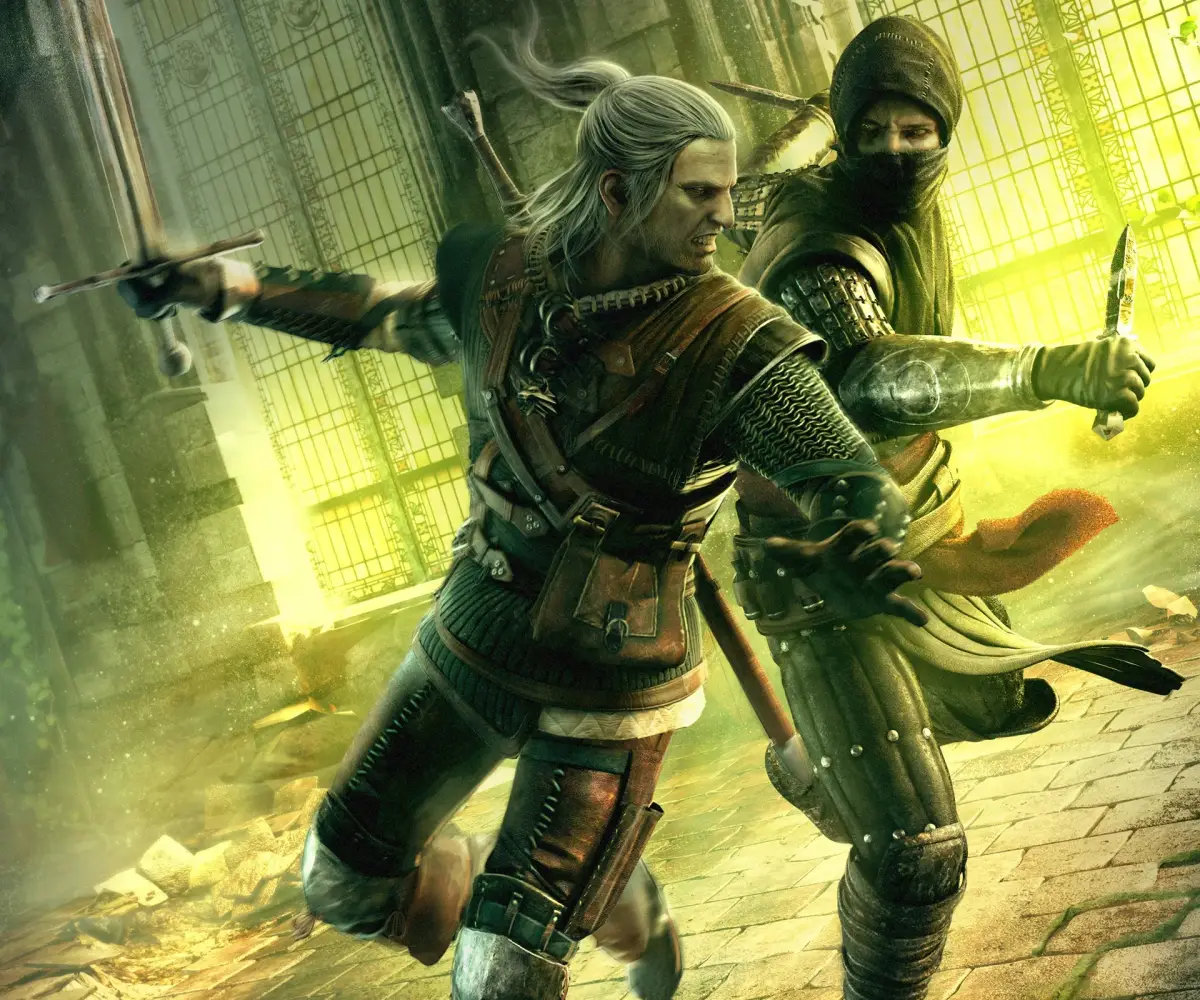
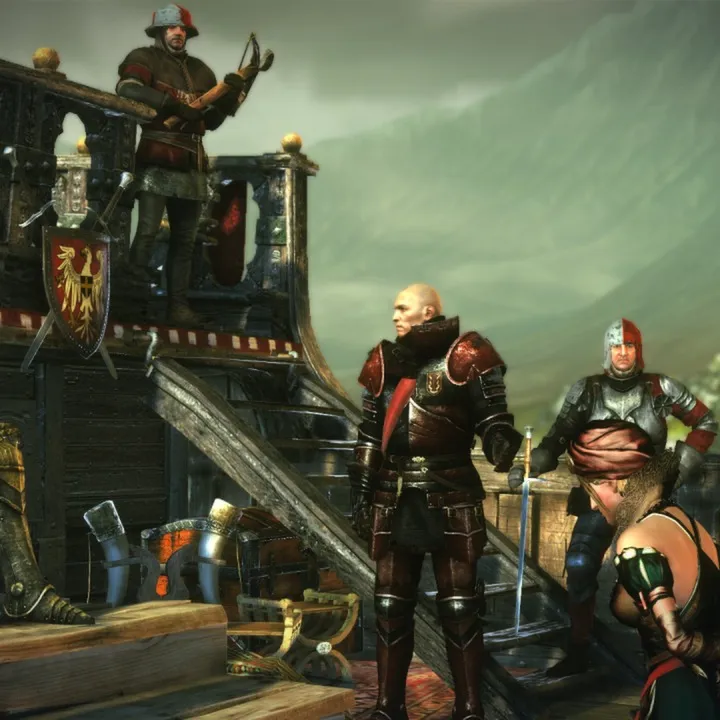
Navigate complex dialogue and make impactful choices in The Witcher 2: Assassins of Kings Enhanced Edition. Your decisions shape Geralt's journey and the kingd.
The narrative of The Witcher 2: Assassins of Kings Enhanced Edition is heavily influenced by the player's decisions. Geralt of Rivia, a professional monster slayer, often finds himself entangled in political intrigue and moral quandaries. Your dialogue choices can significantly alter relationships with key characters, unlock new questlines, or even lead to different endings. Pay close attention to the nuances of conversations; a seemingly innocuous remark can have far-reaching consequences. For instance, your interactions with Triss Merigold and Iorveth in the early stages of the game will shape the path you take through the Temerian conflict. Be mindful of Geralt's Witcher training – while he is a skilled fighter, his social interactions often require a more diplomatic or pragmatic approach. Some choices may seem straightforward, but consider the long-term implications for the Northern Kingdoms and the fate of its rulers. Remember, there are no universally "right" or "wrong" answers, only choices that lead to different outcomes and experiences.
- Understanding Geralt's Role: Geralt is an outsider, often viewed with suspicion. Your dialogue can either reinforce this or attempt to build trust.
- Impact on Quests: Certain dialogue options can open up entirely new side quests or alter the objectives of existing ones.
- Character Relationships: Your words directly affect how characters like Triss, Iorveth, Roche, and Letho perceive Geralt, influencing their willingness to help or hinder him.
- Moral Ambiguity: The game rarely presents clear-cut good versus evil scenarios. Your choices often involve selecting the lesser of two evils.
- Repercussions: Be prepared for consequences. Choices made in one act can have significant repercussions in later acts, sometimes in unexpected ways.
For example, when dealing with the dragon in Act I, your choice of dialogue can lead to a fight or a more peaceful resolution, each with its own set of rewards and future implications.
100% Human-Written. AI Fact-Checked. Community Verified. Learn how AntMag verifies content