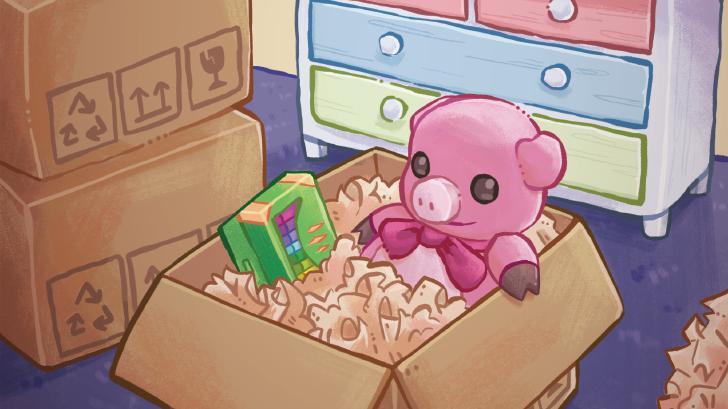
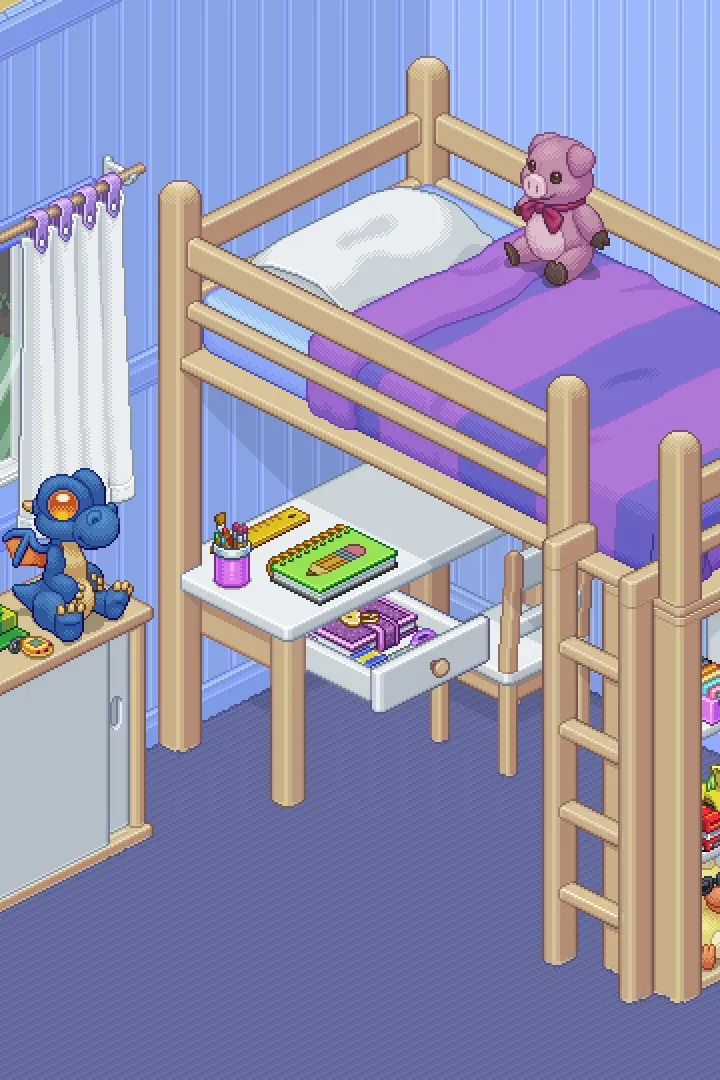
Catalog all clothing and accessories found while unpacking game items. Place shirts, shoes, and hats in their proper spots to complete the level.
As you progress through the various stages of Unpacking, you'll encounter a diverse array of clothing and accessories that need to be placed in their appropriate locations. These items range from everyday wear to more specialized garments, each with its own designated spot within the living spaces. The game meticulously tracks where these items are placed, and correct placement is key to advancing. For instance, shirts typically belong in drawers or on hangers in a closet, while shoes are often found near an entryway or in a dedicated shoe rack. Accessories like jewelry, hats, and bags also have specific homes, often within drawers, on shelves, or in designated accessory organizers. The act of unpacking these items is not just about finding a space, but about understanding the implied function and personal sificance of each piece of clothing and accessory within the context of the character's life. Pay close attention to the details of each item; a simple t-shirt might be placed differently than a formal dress, and a pair of running shoes will have a different home than a pair of elegant heels. The game encourages a thoughtful approach to organization, mirroring real-life experiences of settling into a new environment.
The placement of clothing and accessories in Unpacking serves as a subtle narrative device, revealing aspects of the character's personality, lifestyle, and evolving needs across different stages of their life. For example, the types of clothing found in earlier stages might reflect a student's wardrobe, while later stages could introduce more professional attire or items associated with new hobbies. Accessories, too, tell a story. A collection of well-worn art supplies might be accompanied by a paint-splattered apron, or a set of vintage cameras could be paired with a sturdy leather satchel. The game's intuitive interface allows for easy manipulation of these items, but the challenge lies in discerning the intended placement. Sometimes, an item might seem to fit in multiple places, but only one will be considered correct by the game's logic, often tied to the overall theme of the room or the specific context of the move. Successfully unpacking these items not only clears the boxes but also helps to build a sense of place and belonging for the character.
Wardrobe Essentials
Within the game's progression, you'll encounter several wardrobe essentials. These include items like t-shirts, sweaters, pants, and skirts, which are typically housed in dressers, closets, or on hangers. The game's environmental cues, such as the presence of a dresser or a wardrobe, will often suggest the correct placement for these garments. the game differentiates between various types of clothing. For instance, delicate items might be intended for specific drawers, while outerwear like coats will likely find their place on coat hooks or in a larger closet space. The goal is to arrange these items in a way that reflects a functional and organized personal wardrobe, contributing to the overall sense of order in the new living space. Pay attention to the size and shape of the items, as this can also influence where they are best placed within the available storage solutions.
Footwear and Headwear
Footwear, such as shoes and boots, often finds its home near the entrance of a residence or in a designated shoe rack. The game presents different types of shoes, from casual sneakers to more formal footwear, and their placement can vary. Some shoes might be intended for a closet shelf, while others could be placed in a shoe organizer by the door. Similarly, headwear, including hats and caps, will have specific locations. Hats might be placed on shelves, hooks, or even within hat boxes, depending on the style and the context of the room. The game encourages players to think about the practicalities of storing these items, ensuring that they are accessible and neatly organized. Incorrect placement, such as leaving shoes in the middle of a room or hats on a dining table, will prevent progression and require re-evaluation of their intended storage spots.
Personal Accessories
Personal accessories form a significant part of the unpacking experience, adding detail and personality to the character's belongings. This category includes items like jewelry, scarves, belts, and bags. Jewelry, such as necklaces, bracelets, and earrings, is often intended for jewelry boxes, dressers with built-in compartments, or small decorative trays. Scarves might be hung on hooks or folded neatly in drawers. Bags, ranging from small purses to larger tote bags, can be placed on shelves, hooks, or even on the floor in a designated area. The game's detailed item des ensures that each accessory has a distinct visual identity, aiding in their identification and placement. Successfully organizing these small but significant items contributes to the overall sense of a lived-in and personalized space, reflecting the character's individual style and habits.
100% Human-Written. AI Fact-Checked. Community Verified. Learn how AntMag verifies content