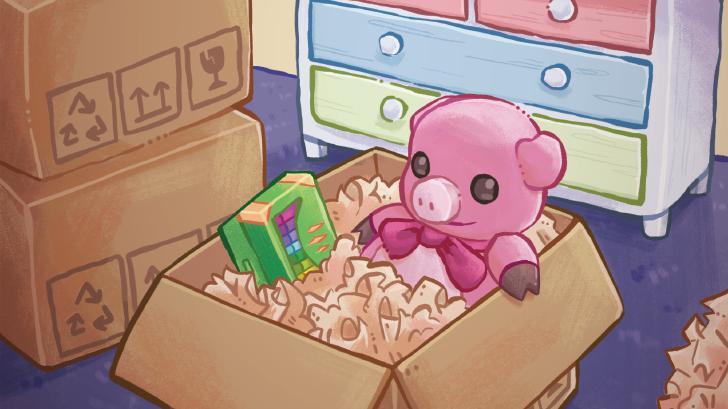
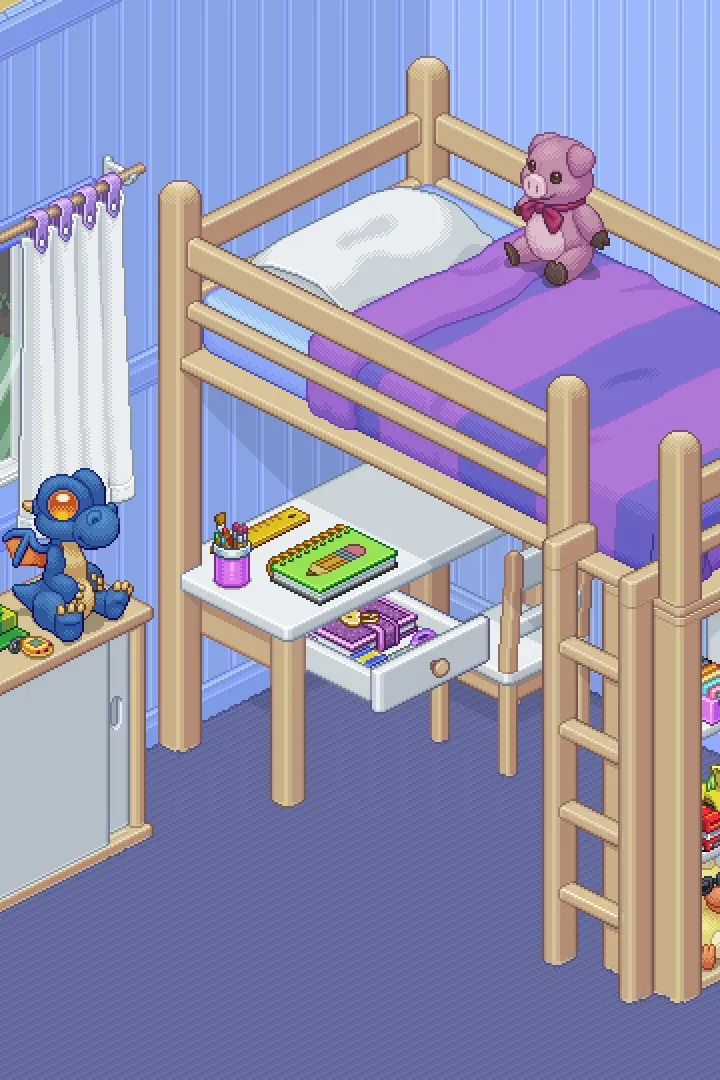
Master spatial puzzles in Unpacking. Learn effective strategies for fitting all belongings into tight spaces, from small bedrooms to shared apartments.
As you progress through the different stages of Unpacking, you'll encounter increasingly challenging living spaces where fitting all your belongings becomes a significant puzzle. The core mechanic revolves around placing items from unpacked boxes into designated areas of each room. However, the game doesn't always provide ample space, forcing you to think creatively about storage. For instance, in the 2004 stage, the initial bedroom might feel cramped, requiring you to utilize every available surface and shelf. Later stages, like the shared apartment in 2007, introduce the complexity of another person's belongings, further reducing available space and introducing new placement constraints. The goal is not just to place items, but to place them logically and aesthetically, often leading to moments of contemplation as you try to find the perfect spot for a cherished possession. This involves understanding the function of each item and its typical placement within a home, such as putting books on a bookshelf, toiletries in the bathroom, or kitchenware in the kitchen. The game rewards thoughtful placement, sometimes with subtle visual cues or by allowing the stage to be completed. The challenge escalates as the number of items increases and the available real estate shrinks, demanding a keen eye for spatial arrangement and an understanding of how to maximize storage in compact environments.
The game subtly teaches players about spatial reasoning and organization through its intuitive drag-and-drop interface. You'll learn to stack items, utilize vertical space, and even find hidden nooks and crannies for storage. For example, a common challenge is finding a place for all the books. While a bookshelf is the obvious solution, sometimes the available shelf space is limited. This might lead you to place books in stacks on desks, on top of dressers, or even in decorative arrangements. Similarly, clothing items need to be placed in closets or drawers, and the game often requires you to fold or hang them appropriately. The satisfaction comes from not just completing the task, but from creating a sense of order and belonging within each new environment. The game's progression is marked by the increasing complexity of the living spaces and the emotional weight of the items being unpacked, each box revealing more about the protagonist's life and journey. Mastering the art of fitting everything in requires patience, observation, and a willingness to experiment with different placements until the perfect arrangement is achieved.
100% Human-Written. AI Fact-Checked. Community Verified. Learn how AntMag verifies content