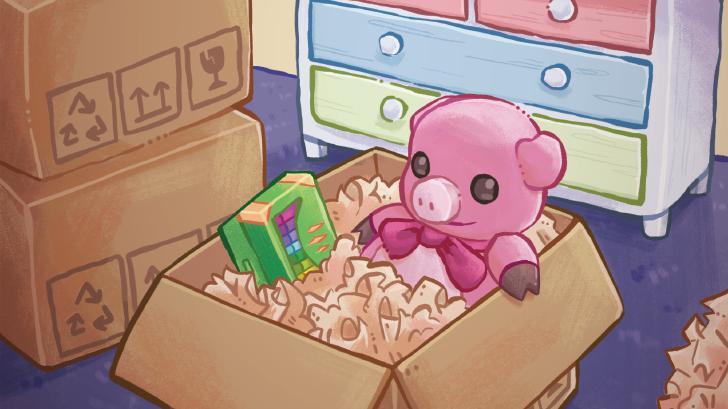
Identify and place all kitchenware and food items during your Unpacking journey. Find mugs, plates, and pantry staples for each new home.
The kitchen is a central hub for many of the items you'll unpack in Unpacking, and this section focuses on the diverse range of kitchenware and food items that populate these spaces. From essential cooking utensils and appliances to various foodstuffs, each item has a designated place within the kitchen environment. The game challenges players to understand the functional layout of a kitchen, placing items where they would logically be used or stored. For instance, pots and pans are typically found in cabinets or on stovetops, while plates and bowls are usually stored in cupboards or on shelves. Utensils like forks, knives, and spoons belong in drawers, often within a cutlery organizer. Food items, such as canned goods, boxes of cereal, and jars of spices, are meant for pantries, countertops, or refrigerator shelves. The game's detailed environments provide ample clues, with empty shelves and drawers hinting at where these items should go. Successfully organizing the kitchen is crucial for completing each stage, as it reflects the character's ability to establish a functional living space.
Beyond the basic placement of kitchenware, Unpacking also subtly tells a story through the types of food items and their quantities. A move into a new apartment might be accompanied by a fresh stock of groceries, while a later stage might reveal a more eclectic collection of spices or specialty ingredients, hinting at developing culinary interests or a change in lifestyle. The game's mechanics encourage players to think about the flow of a kitchen – where you'd reach for a knife, where you'd store your coffee maker, and where you'd keep your everyday mugs. The satisfaction of completing a kitchen comes from creating a space that feels both organized and lived-in, where everything has its purpose and its place. The game doesn't explicitly guide you on every single item, but the visual cues and the context of the room provide enough information to make informed decisions about placement, making each successful arrangement a small victory in establishing a sense of home.
Cookware and Bakeware
Cookware and bakeware represent a significant portion of the items you'll be unpacking for the kitchen. This includes items such as pots, pans, baking sheets, muffin tins, and casserole dishes. These items are typically stored in lower cabinets, often near the stove, or in specialized pull-out drawers designed for cookware. The game's environments often feature these storage solutions, and the shape and size of the cookware will dictate the most appropriate placement. For example, large pots might be stacked in a deep cabinet, while baking sheets could be stored vertically in a rack. The goal is to arrange these items in a way that facilitates easy access for cooking and baking, contributing to the overall functionality of the kitchen. Incorrect placement, such as leaving pots on the countertop or cramming multiple pans into a small drawer, will hinder your progress and require you to reconsider their intended locations.
Tableware and Serveware
Tableware and serveware are essential for dining and entertaining, and their proper placement is a key part of setting up the kitchen and dining areas. This category includes items like plates, bowls, cups, mugs, glasses, and serving platters. Plates and bowls are typically stored in upper cabinets or on open shelving, often organized by size and type. Cups and mugs are usually placed near the coffee maker or in a dedicated cupboard. Glasses, whether for water, wine, or other beverages, will also have their designated spots, often in a separate cabinet or on a shelf. Serveware, such as large bowls for salads or platters for main courses, might be stored in a more accessible location or in a dedicated cabinet. The game encourages a logical arrangement that reflects how these items would be used in a real kitchen, ensuring that everything is within easy reach for meal preparation and serving.
Utensils and Gadgets
Kitchen utensils and gadgets encompass a wide variety of tools used for preparing and eating food. This includes items like knives, forks, spoons, spatulas, whisks, peelers, and can openers. These items are almost universally intended for drawers, often within a cutlery organizer or a divided drawer insert. The game provides these organizers, and the challenge lies in sorting the utensils into their correct compartments. Larger gadgets, such as blenders, toasters, and food processors, are typically placed on countertops or stored in pantry shelves. The game's detailed item des allows you to distinguish between different types of utensils, from basic cutlery to specialized cooking tools. Successfully organizing these items contributes to a clutter-free and efficient kitchen workspace, making meal preparation a more enjoyable experience.
Pantry and Refrigerator Items
The pantry and refrigerator are crucial storage areas for food items, and their organization is a key element of setting up a functional kitchen in Unpacking. This includes several groceries such as canned goods, boxes of cereal, jars of spices, bottles of condiments, and fresh produce. Canned goods and dry goods are typically placed on pantry shelves, often organized by type or frequency of use. Spices are usually arranged on a spice rack or in a dedicated drawer. Condiments and sauces are often found in the refrigerator or on a kitchen counter. The game's environments will feature these storage spaces, and You must fill them appropriately. The types of food items encountered can also offer narrative clues about the character's dietary habits or preferences, adding another layer of depth to the unpacking experience.
100% Human-Written. AI Fact-Checked. Community Verified. Learn how AntMag verifies content