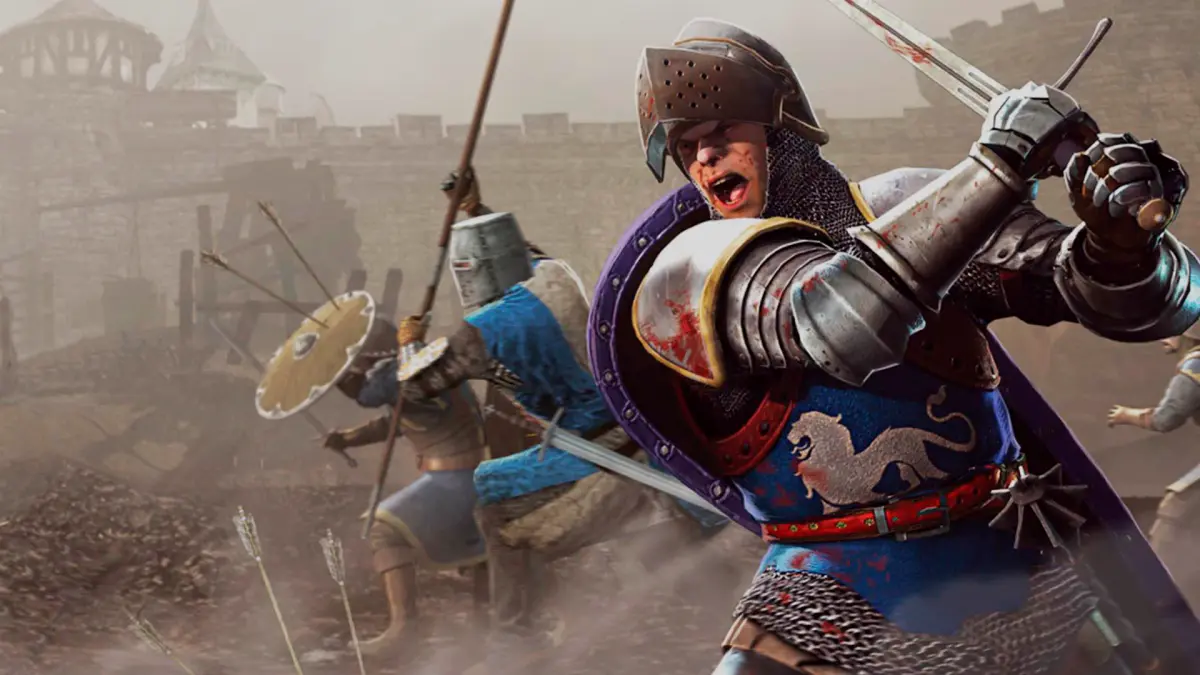
Improve your combat effectiveness in Chivalry: Medieval Warfare by mastering advanced movement techniques and strategic positioning on the battlefield.
Mastering movement and positioning in Chivalry: Medieval Warfare is paramount to survival and success on the battlefield. Unlike traditional shooters, your character's physical presence, weapon reach, and environmental awareness dictate much of your combat effectiveness. This section will guide you through advanced movement techniques and strategic positioning to gain a decisive advantage.
Basic Movement Enhancements
- Dodging (Double-Tap Directional Key): This quick sidestep or backstep is invaluable for avoiding incoming attacks, creating space, or repositioning for a counter-attack. Practice dodging to the side of a horizontal swing or backward from a thrust.
- Sprinting (Shift Key): While obvious for covering ground quickly, sprinting also affects your weapon's wind-up time and can be used to close distances rapidly for a surprise attack, especially with lighter weapons like the Dagger or Shortsword. Be mindful of your stamina bar, as sustained sprinting will deplete it, leaving you vulnerable.
- Jumping (Spacebar): Beyond traversing obstacles, jumping can be used to slightly alter your hitbox, potentially causing an enemy's swing to miss. It's a risky maneuver but can occasionally save you from a fatal blow. Combine with a downward swing for a "jump attack" that can catch opponents off guard.
Advanced Footwork & Spacing
Effective footwork is the cornerstone of Chivalry's melee combat. It's not just about moving, but about moving intelligently to control the engagement.
- Kiting: This involves maintaining a specific distance from your opponent, often backing away while still facing them, to keep them within your weapon's optimal range while staying out of theirs. This is particularly effective for longer weapons like the Spear or Halberd against shorter weapons.
- Circling/Strafing: Moving around your opponent while keeping them targeted. This can make it harder for them to land accurate blows, especially with slower, more telegraphed attacks. It also allows you to look for openings in their guard or expose their flanks.
- Feinting with Movement: Combine a feinted attack with a quick sidestep or forward movement. For example, feint a horizontal swing, then quickly step forward and deliver an overhead. This can disrupt an opponent's parry timing and create an opening.
- Environmental Awareness: Always be aware of your surroundings.
- Chokepoints: Utilize narrow passages like the bridge on Stonehenge or the doorways in Darkforest to funnel enemies and maximize the effectiveness of wide-swinging weapons.
- High Ground: Gaining the high ground, even a slight incline, can provide a small but significant advantage in reach and visibility. On maps like Hillside, controlling the central hill is crucial.
- Cover: Use pillars, walls, or even fallen comrades as temporary cover from archers or to break line of sight during a retreat.
Strategic Positioning on Objectives
Your movement and positioning should always be tied to the objective at hand. A well-placed player can turn the tide of a battle.
- Attacking Objectives (e.g., Siege Weapons, Supply Carts):
- Flanking Routes: On maps like Battlegrounds, when attacking the siege engines, instead of a direct frontal assault, utilize the side paths to approach from an unexpected angle.
- Shield Wall (Vanguard/Knight): If pushing a cart or battering ram, Knights and Vanguards should position themselves at the front, using their shields (if equipped) or high health pool to absorb damage, allowing others to safely interact with the objective.
- Archer Suppression: Archers should find elevated positions overlooking the objective to suppress enemy defenders, like the towers on Arena or the rooftops on Ruins.
- Defending Objectives (e.g., Control Points, VIPs):
- Holding Chokepoints: As mentioned, narrow passages are your best friend. A single Knight with a Longsword or a Vanguard with a Poleaxe can hold off multiple attackers in a doorway.
- Area Denial (Man-at-Arms/Vanguard): Use weapons with wide swings or good reach to control an area around the objective. The Man-at-Arms' Broadsword or the Vanguard's Greatsword are excellent for this.
- Counter-Flanking: Be aware of enemy flanking attempts. Position a few players, particularly faster classes like the Man-at-Arms, to intercept enemies attempting to bypass your main defensive line.
Remember, Chivalry is a game of inches. Every step, every dodge, and every repositioning can mean the difference between a glorious kill and a humiliating death.
100% Human-Written. AI Fact-Checked. Community Verified. Learn how AntMag verifies content