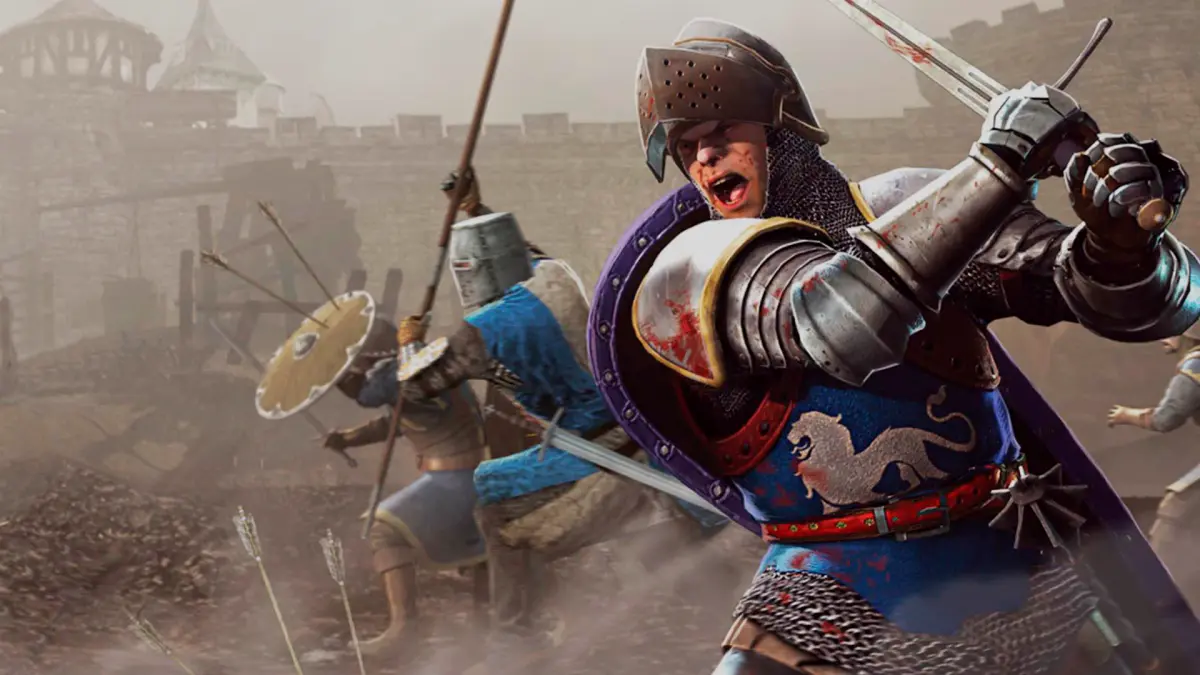
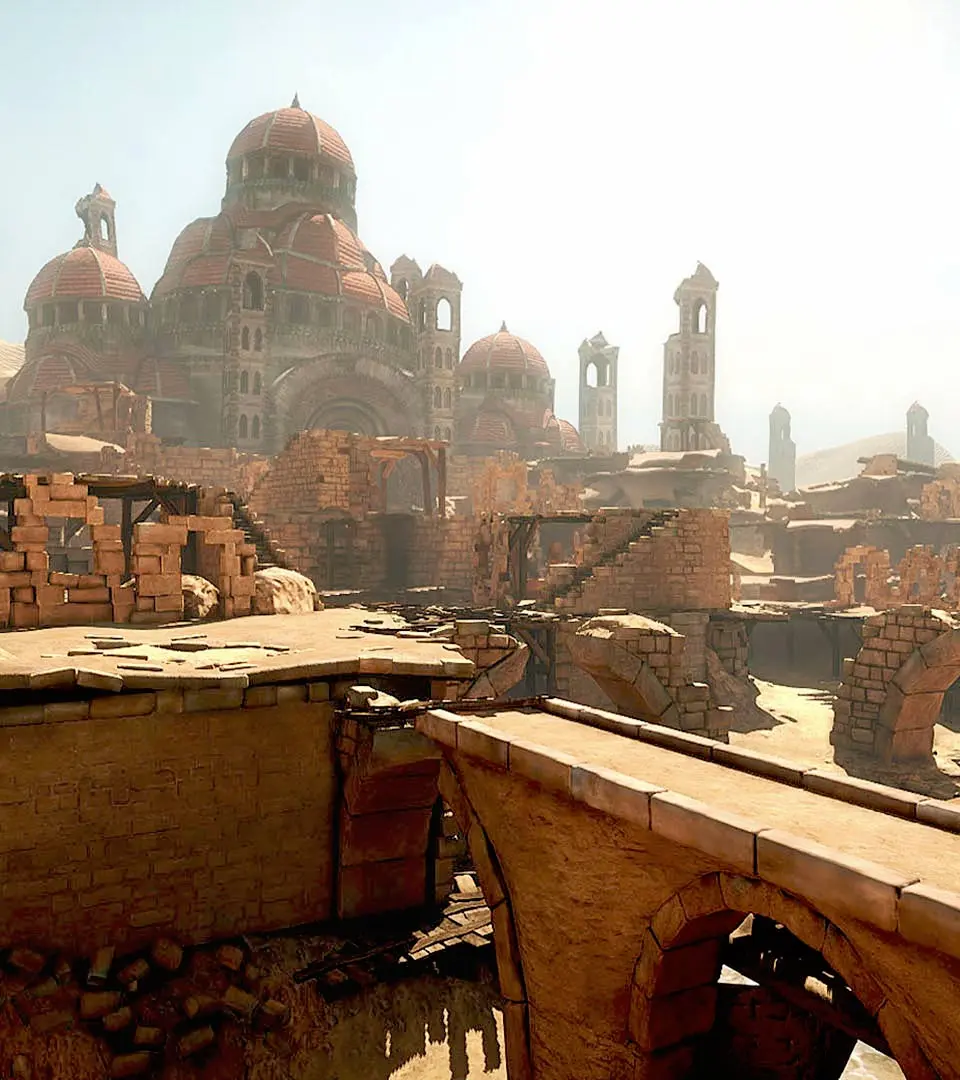
Avoid common pitfalls in Chivalry: Medieval Warfare with actionable strategies to stay in the fight longer and contribute effectively to team victories.
Even seasoned warriors in Chivalry: Medieval Warfare can fall prey to common pitfalls. This section details frequent errors made by players and provides actionable strategies to overcome them, ensuring you stay in the fight longer and contribute more effectively to your team's victory.
1. The "Lone Wolf" Charge
One of the most tempting, yet often fatal, mistakes is charging headlong into the enemy lines without support. While a glorious death might seem appealing, it rarely benefits your team.
- Mistake: Initiating a fight against multiple opponents alone, especially when outnumbered 2-to-1 or more. This often results in quick death and a wasted spawn.
- How to Avoid:
- Stick with Teammates: Always try to advance with at least one other friendly player. Even a single ally can draw attention, allowing you to flank or focus fire on a single target.
- Observe the Flow: Before committing, take a moment to assess the battlefield. Are your allies pushing a particular flank? Is there a group of enemies isolated that you can collectively overwhelm?
- Utilize Cover: If you find yourself alone and outnumbered, use environmental cover (walls, structures, even large rocks) to break line of sight and potentially escape or reposition for a more favorable engagement.
- Know Your Limits: A Vanguard with a Greatsword can carve through enemies, but even they will be quickly overwhelmed by a coordinated assault from multiple opponents. Understand your weapon's reach and damage output, and avoid engagements where you are clearly outmatched.
2. Ignoring Objective Play
Chivalry: Medieval Warfare is not just about kill counts. Objectives are paramount to victory, and neglecting them is a surefire way to lose, even if you're a top fragger.
- Mistake: Focusing solely on getting kills while ignoring crucial objectives like pushing the Siege Tower, destroying the Gate, or defending the King.
- How to Avoid:
- Read the Objective: At the start of each round and throughout, pay attention to the objective displayed on your HUD. On maps like Stoneshill, remember to prioritize pushing the Siege Tower or destroying the Gate with explosives.
- Adapt Your Class: If your team is struggling with an objective, consider switching classes. A Man-at-Arms can quickly plant explosives on a gate, while a Knight can absorb damage while others push the objective.
- Defend Key Positions: On defense, don't just chase kills. Position yourself to defend the objective itself. For example, on Moor, defending the Catapult or the King's Chamber is far more important than venturing out for individual duels.
- Communicate: Use the in-game chat or voice commands to remind teammates about the objective. A simple "Push the cart!" or "Defend the King!" can re-focus a scattered team.
3. Predictable Attacks & Over-Swinging
New players often fall into a rhythm of predictable attacks, making them easy targets for experienced opponents. Similarly, over-swinging and missing can leave you vulnerable.
- Mistake: Constantly using the same attack (e.g., only horizontal swings), or initiating attacks from too far away, leading to misses and open windows for counter-attacks.
- How to Avoid:
- Vary Your Attacks: Mix up your horizontal swings, overheads, and stabs. This keeps your opponent guessing and makes parrying more difficult. Experiment with mouse movement during your swings to drag or accelerate your weapon, further disrupting parry timing.
- Feinting: Learn to feint! By pressing the Feint key (Q by default) during an attack wind-up, you can cancel your attack, baiting your opponent into an early parry. This leaves them open for a real attack.
- Footwork and Spacing: Don't just stand there and swing. Use your footwork to close distances, create space, and position yourself for optimal hits. Avoid swinging wildly when out of range; instead, close the gap first.
- Chambering: An advanced technique, chambering involves mirroring an opponent's attack with your own in the same direction. If timed correctly, it parries their attack and initiates your own, often catching them off guard. Practice this with weapons like the Longsword or Poleaxe in duels.
- Stamina Management: Every attack and parry consumes stamina. Over-swinging or constantly feinting without landing hits will quickly drain your stamina, leaving you unable to block or counter effectively. Watch your stamina bar!
4. Neglecting Defensive Maneuvers
While offense is crucial, defense is equally important. Many players focus too much on attacking and forget the power of a well-timed block or dodge.
- Mistake: Relying solely on parrying, or not using dodges and shoves effectively, leading to being overwhelmed by aggressive opponents.
- How to Avoid:
- Master the Parry: The basic parry (Right Mouse Button) is your bread and butter. Learn its timing for different weapon types. A successful parry leaves your opponent open for a quick counter-attack.
- Dodge (Man-at-Arms): As a Man-at-Arms, your Dodge (Double-tap directional key) is a powerful tool. Use it to sidestep incoming attacks, create distance, or quickly reposition behind an enemy. It's especially effective against slow, heavy swings from Knights.
- Shove (All Classes): The Shove (Middle Mouse Button) is often overlooked. It's excellent for interrupting an opponent's attack wind-up, pushing them off ledges, or creating space when you're being cornered. It's particularly useful against archers or when an enemy is trying to heal.
- Block (Knight/Vanguard): Knights and Vanguards have shields (or the ability to block with their weapon). Use these to absorb damage, especially when facing multiple archers or when you need to push through a chokepoint. Remember that shields can be broken with sustained attacks.
- Situational Awareness: Always be aware of your surroundings. If you're fighting near a cliff edge, be prepared to dodge or shove to avoid being pushed off. If you're being flanked, prioritize blocking the most immediate threat.
5. Ignoring Team Composition and Class Strengths
A balanced team is a strong team. Picking a class without considering your team's needs can lead to glaring weaknesses.
- Mistake: Everyone playing Vanguard with a Greatsword, or too many archers, leaving your front line weak or objectives undefended.
- How to Avoid:
- Check the Scoreboard: Before spawning, glance at the scoreboard (Tab key) to see your team's class distribution.
- Fill Gaps: If your team has too many archers, consider playing a front-line class like a Knight or Vanguard. If you lack support, a Man-at-Arms with a healing banner can be invaluable.
- Understand Class Roles:
- Knight:Two-Handed Swords or Polearms.
- Vanguard:Greatsword or Halberd.
- Man-at-Arms:Swords and Maces, and can deploy a Healing Banner.
- Archer:Longbows for long-range, Crossbows for heavy damage, or Javelins for close-quarters throwing.
- Communicate Your Intentions: If you're switching to a specific class to fill a role, let your team know. "Going Knight to hold the line!" can help coordinate efforts.
100% Human-Written. AI Fact-Checked. Community Verified. Learn how AntMag verifies content