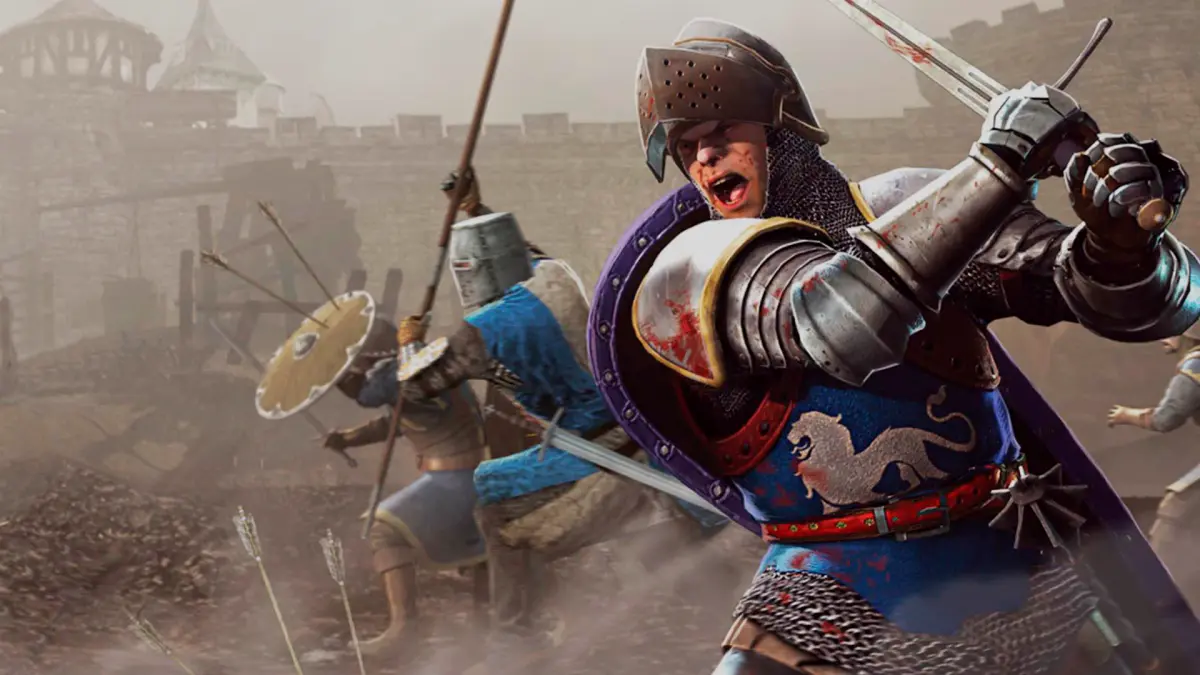
Implement objective-specific strategies for Chivalry: Medieval Warfare. Learn to breach defenses and contribute to team victories in siege warfare.
Mastering Chivalry: Medieval Warfare's objective-based gameplay requires more than just raw combat skill; it demands strategic thinking and coordinated team play. This section will delve into specific, actionable strategies for common objective types, ensuring you're always contributing effectively to your team's victory.
Siege Warfare: Breaching Defenses
Siege maps are a cornerstone of Chivalry, often involving breaking through fortified positions. Success here hinges on overwhelming the defenders and systematically dismantling their strongholds.
- The Initial Push (Gate/Wall Breach):
- Vanguard/Knight Focus: These classes are your battering rams. Knights with their heavy armor and powerful swings (e.g., the Greatsword or Longsword) are excellent for clearing the immediate area around a gate. Vanguards, especially with polearms like the Halberd or Spear, can provide reach and crowd control to prevent defenders from repairing.
- Engineer Support: Engineers are crucial. They can quickly build Spike Traps or Barricades to funnel enemy movement or protect the siege equipment. More importantly, they are the only class that can repair siege engines. Keep them alive!
- Archer Suppression: Archers (with the Longbow or Crossbow) should focus fire on enemy archers on the walls or any defenders attempting to repair the gate. The Arrow Cam feature can be invaluable for precise shots.
- Flaming Pots: Don't underestimate the power of a well-placed Flaming Pot. Throw them at clustered defenders or directly onto the gate to inflict damage over time and create area denial.
- Controlling the Breach:
- Once a gate or wall is breached, the objective shifts to securing the entry point.
- Push Through Aggressively: Don't hesitate. Momentum is key. Knights and Vanguards should lead the charge, creating a foothold.
- Flanking Maneuvers: Look for alternative routes or side entrances once the main breach is made. A well-timed flank can collapse enemy defenses.
- Clear the High Ground: Prioritize clearing any elevated positions (e.g., ramparts, towers) that defenders might use to rain down arrows or throwables.
Payload Escort: Pushing the Cart
Payload objectives require constant forward movement and protection of a key asset. Communication and class synergy are vital.
- Frontline Protection:
- Knights and Vanguards: These classes should form the primary defensive line around the payload cart. Their high health and powerful attacks are essential for fending off direct assaults.
- Shield Usage: Knights equipped with a Shield can absorb incoming projectile fire and protect teammates pushing the cart.
- Area Denial: Use wide, sweeping attacks with weapons like the Greatsword or Zweihander to keep enemies from getting too close to the cart.
- Flank Security and Counter-Attacks:
- Vanguards: Their speed and reach make them ideal for intercepting flanking enemies or quickly pushing back isolated threats. Weapons like the Poleaxe or Spear are excellent for this role.
- Archers: Position archers on elevated terrain or behind the main push to pick off enemy archers and harass melee attackers attempting to flank. Focus on high-priority targets like enemy Knights or Vanguards.
- Engineer Utility:
- Barricades and Traps: Engineers can place Barricades in strategic choke points to slow down enemy reinforcements or create temporary cover. Spike Traps can be placed in common enemy approach paths to inflict damage and disrupt charges.
- Repairing the Cart: While less common, some payload carts can be damaged. Engineers are the only class that can repair them, so be mindful of their health.
- Dealing with Obstacles:
- Some maps feature destructible obstacles blocking the payload's path. Focus fire on these obstacles with melee attacks or explosives (e.g., Flaming Pots or Throwing Axes from a Man-at-Arms or Knight).
Capture Points: Holding the Line
Capture point objectives are about controlling specific areas on the map. This often devolves into intense, close-quarters combat.
- Initial Rush and Securing the Point:
- Man-at-Arms/Vanguard Speed: These faster classes can often reach capture points first, initiating the capture process or disrupting enemy attempts.
- Aggressive Defense: Once a point is being captured, defenders must be aggressive in pushing out enemies. Don't let them establish a foothold.
- Holding the Point:
- Knights and Vanguards: Their durability and area-of-effect attacks are crucial for holding a confined space. Use overheads and wide swings to control the immediate vicinity.
- Engineer Fortifications: Engineers can place Barricades at entrances or within the capture zone to create chokepoints and provide cover. Spike Traps are excellent for deterring enemy pushes into the point.
- Archer Overwatch: Archers should find positions overlooking the capture point to provide suppressing fire and pick off enemies attempting to enter.
- Teamwork in Close Quarters: Avoid friendly fire. Be mindful of your teammates' positions when swinging large weapons.
- Recapturing a Lost Point:
- Coordinated Push: Never rush a heavily defended point alone. Group up and push in as a cohesive unit.
- Explosives and Projectiles: Use Flaming Pots, Throwing Axes, or arrows to soften up defenders before a melee assault.
- Flanking: Look for alternative entry points or ways to flank entrenched defenders to break their formation.
100% Human-Written. AI Fact-Checked. Community Verified. Learn how AntMag verifies content