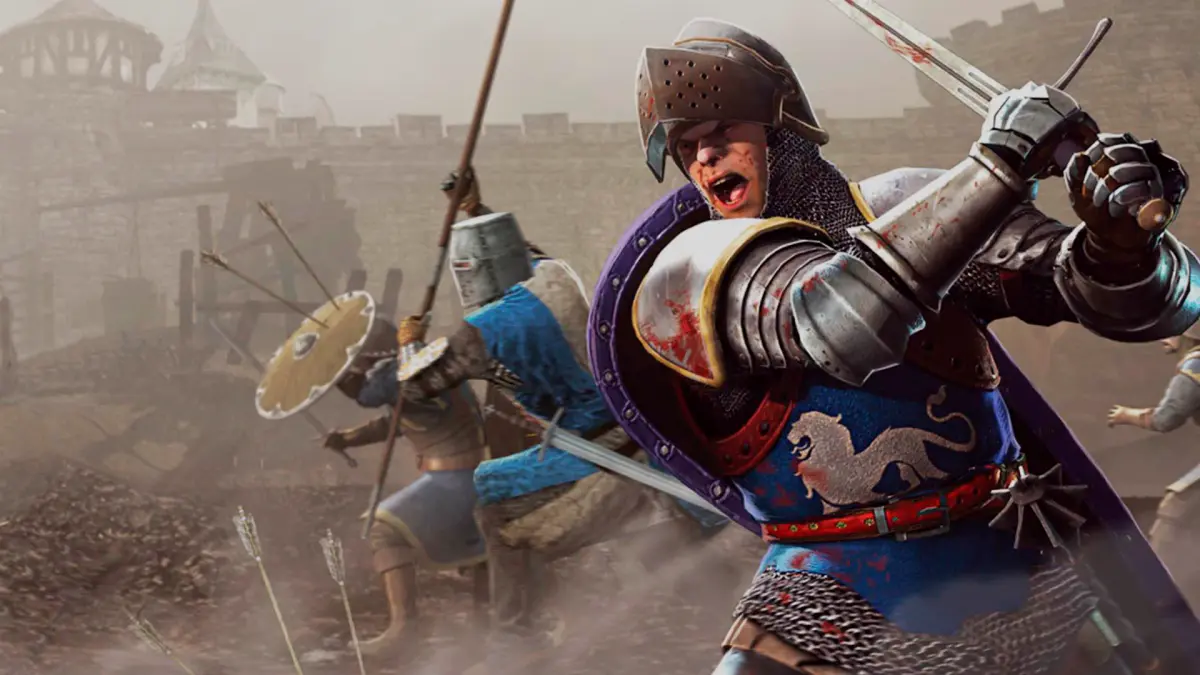
Master damage types and resistances in Chivalry: Medieval Warfare. Understand how damage profiles interact with armor for glorious victory on the battlefield.
Understanding the intricate dance of damage types and resistances is paramount to mastering Chivalry: Medieval Warfare. Every swing, stab, and blunt force impact carries a specific damage profile, and knowing how these interact with different armor types can be the difference between a glorious victory and a swift, ignominious death. This section will delve into the core damage types, their effectiveness against various armor, and strategies for both dealing and mitigating damage.
The Three Pillars of Pain: Slash, Pierce, and Blunt
Chivalry's combat system revolves around three primary damage types, each with its own strengths and weaknesses:
- Slash Damage: Delivered by the sharp edges of swords, axes, and other bladed weapons. Slash damage excels at cutting through unarmored or lightly armored opponents, often resulting in gruesome dismemberments.
- Pierce Damage: Inflicted by the pointy ends of spears, arrows, and certain sword attacks (like thrusts). Pierce damage is designed to find gaps in armor and penetrate through layers, making it effective against medium and heavy armor.
- Blunt Damage: The domain of maces, hammers, and the flat side of many weapons. Blunt damage focuses on concussive force, crushing bones and denting armor. It is particularly devastating against heavily armored foes, often ignoring a significant portion of their protection.
Armor: Your Second Skin (or Lack Thereof)
Just as there are different damage types, so too are there varying levels of armor, each offering unique resistances:
- Light Armor (e.g., Archer, Vanguard): Offers minimal protection against all damage types. Highly vulnerable to Slash attacks, but also takes significant damage from Pierce and Blunt. Speed and maneuverability are the primary advantages here.
- Medium Armor (e.g., Man-at-Arms): Provides a balanced defense. Offers decent resistance to Slash and Pierce, but can still be vulnerable to well-placed Blunt attacks.
- Heavy Armor (e.g., Knight): The pinnacle of protection. Heavily resistant to Slash and Pierce damage, making bladed and pointed weapons less effective. However, Heavy Armor is most susceptible to Blunt force, which can bypass its protective layers and inflict significant internal damage.
Strategic Damage Application: Exploiting Weaknesses
To maximize your effectiveness in combat, always consider your opponent's armor and choose your attacks accordingly:
- Against Light Armor:
- Weapon Choice: Swords (Longsword, Broadsword), Axes (Battle Axe, Dane Axe), and even Daggers are highly effective.
- Attack Strategy: Focus on horizontal or diagonal slashes to maximize cleave and dismemberment potential. A well-placed overhead slash can often one-shot an unarmored foe.
- Example: An Archer caught in the open is a prime target for a Longsword's overhead swing, often resulting in an instant kill.
- Against Medium Armor:
- Weapon Choice: Balanced weapons like the Longsword (thrusts), Spear, and even the Poleaxe offer versatility.
- Attack Strategy: Mix slashes with thrusts. Use thrusts to penetrate armor, then follow up with slashes for sustained damage. Blunt attacks from a Mace or Hammer can also be very effective.
- Example: A Man-at-Arms can be pressured by a Spear's relentless thrusts, forcing them to block and creating openings for follow-up attacks.
- Against Heavy Armor:
- Weapon Choice: This is where Blunt weapons truly shine. Maces (War Mace, Flanged Mace), Hammers (War Hammer), and the blunt side of Polearms (Poleaxe, Halberd) are your best friends.
- Attack Strategy: Prioritize blunt overheads and heavy swings. Aim for the head or torso to maximize concussive force. Even if you don't break through the armor, the sheer impact can stagger and disorient.
- Example: A Knight charging in can be stopped dead in their tracks by a well-timed War Hammer overhead, often dealing massive damage despite their heavy plate.
Mitigating Damage: Playing to Your Strengths
Just as you exploit enemy weaknesses, understand your own armor's vulnerabilities:
- As Light Armor (Archer, Vanguard):
- Defense Strategy: Avoid direct engagements. Utilize your speed to kite enemies, flank, and exploit environmental cover. Your best defense is not getting hit.
- Counter-Strategy: If forced into melee, use quick attacks and dodges. Against heavy weapons, try to bait attacks and counter-attack during their recovery frames.
- As Medium Armor (Man-at-Arms):
- Defense Strategy: Maintain distance and use your shield effectively. Block incoming attacks and look for opportunities to riposte.
- Counter-Strategy: Be wary of blunt weapons. If facing a Knight with a War Hammer, prioritize dodging or parrying over sustained blocking, as repeated blunt impacts can quickly drain your stamina and health.
- As Heavy Armor (Knight):
- Defense Strategy: Embrace your tankiness. Absorb slashes and pierces, but be acutely aware of blunt weapon users.
- Counter-Strategy: Against blunt weapons, your best bet is to parry or dodge. While your armor resists a lot, a direct hit from a War Hammer can still be devastating. Use your superior reach and damage to dispatch blunt weapon users quickly.
By internalizing these damage types and armor interactions, you'll be able to make informed decisions on the battlefield, choosing the right weapon for the job and adapting your strategy to every foe. May your blows be true and your armor hold firm!
100% Human-Written. AI Fact-Checked. Community Verified. Learn how AntMag verifies content