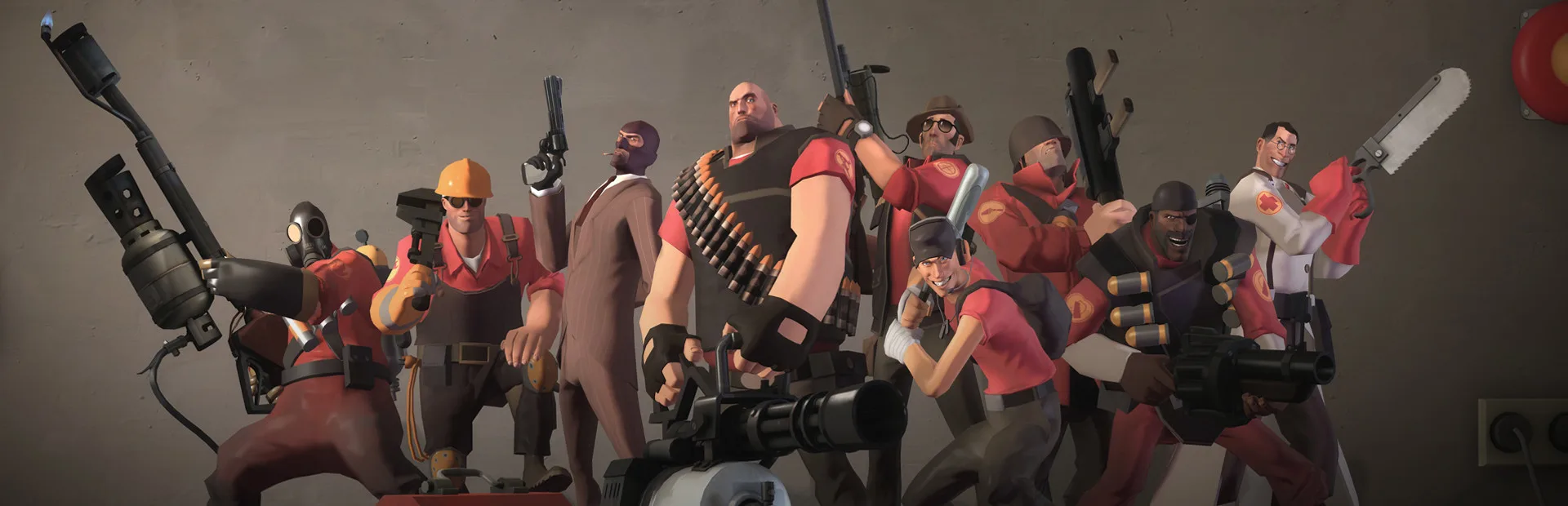
Understand Team Fortress 2's respawn timers and mechanics. Learn how timed respawns impact offensive pushes and defensive holds for strategic advantage.
Understanding the intricacies of respawn timers and mechanics is crucial for both offensive pushes and defensive holds in Team Fortress 2. A well-timed respawn can turn the tide of a battle, while a poorly managed one can leave your team vulnerable. This section will break down the system and provide actionable strategies.
Standard Respawn Timers
The base respawn timer in Team Fortress 2 varies depending on the game mode and the current state of the game. Generally, you can expect the following:
- Casual & Community Servers: Most casual servers and many community servers utilize a dynamic respawn system. This means the timer will adjust based on the number of players on your team and the opposing team, as well as the current objective status. Expect timers to range from 5 to 15 seconds.
- Competitive (6v6): In competitive play, respawn timers are often fixed at a slightly longer duration, typically 10-15 seconds, to emphasize the impact of each death and encourage more cautious play.
- Mann vs. Machine (MvM): MvM features a unique respawn mechanic. If you die, you enter a "respawn wave" and will only respawn with other fallen teammates after a set interval, usually 10-20 seconds. This encourages team coordination and discourages individual pushes.
Spawn Locations & Invulnerability
Upon respawning, you will appear in your team's designated spawn room. These rooms offer several key advantages:
- Invulnerability: For a short duration (typically 5-10 seconds, or until you leave the spawn room), you are completely invulnerable to enemy damage. This is indicated by a glowing aura around your character.
- Resupply Cabinets: Every spawn room contains a Resupply Cabinet. Touching this cabinet instantly refills all your health, ammo, and metal (for Engineer). It also removes any negative status effects (e.g., Jarate, Mad Milk, afterburn).
- Teleporters: Engineers can construct Teleporters, with the exit often placed strategically near the front lines. Using a Teleporter is a significantly faster way to return to the action than running from spawn, but remember that Teleporters can be destroyed by the enemy team.
Strategic Respawn Management
Effective use of respawn mechanics can be a game-changer. Consider these strategies:
- "Spawn Camping" Prevention: While invulnerable in spawn, take a moment to assess the situation. If the enemy team is pushing aggressively towards your spawn, consider switching to a class better suited for defense (e.g., Heavy, Pyro, Engineer).
- Grouping Up: In game modes like Attack/Defend or Control Points, it's often more effective to wait for a few teammates to respawn before pushing out. A coordinated push with multiple players is far more likely to succeed than individual trickles. Communicate with your team using voice chat or text commands ("Go Go Go!" or "Medic!") to coordinate pushes.
- Utilizing Resupply Cabinets: Don't rush out of spawn without topping off your resources. A full health bar and ammo count are essential for engaging the enemy. If you're playing Engineer, always grab metal before deploying your Sentry Gun or Dispenser.
- Teleporter Awareness: As an Engineer, prioritize building and maintaining Teleporters. Place the entrance in a safe, accessible location within your spawn and the exit in a strategic, but not immediately obvious, forward position. As other classes, always be on the lookout for friendly Teleporters to get back into the fight faster.
- "Suicide" for Faster Respawns (Advanced): In very specific, dire situations (e.g., you are critically wounded far from a health pack, your team is pushing the final point, and you need to respawn with them), intentionally dying can sometimes be a viable, albeit risky, strategy. This is often referred to as "suiciding." However, this should only be done if you are certain your death will lead to a more impactful respawn with your team. Avoid this if your team is already struggling with numbers.
- Understanding "Staggered" Respawns: Sometimes, especially in competitive play, teams will try to "stagger" enemy respawns. This means killing enemies at different times to prevent them from respawning as a cohesive unit. Conversely, your team should aim to respawn together to create powerful pushes.
Mastering respawn timers and mechanics is a subtle but powerful skill that separates good players from great ones. Always be aware of your team's respawn status and plan your next move accordingly.
100% Human-Written. AI Fact-Checked. Community Verified. Learn how AntMag verifies content