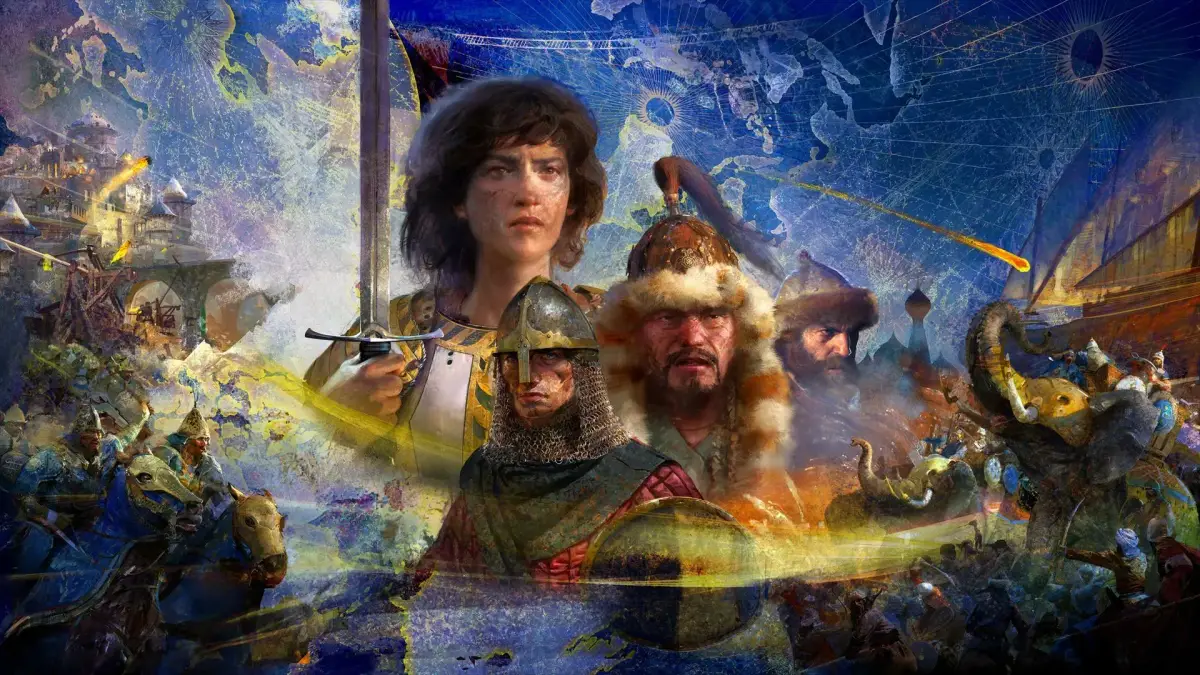
Discover the structure and evolution of the Persian army in Age of Empires IV, from the disciplined Immortals to later provincial levies. Learn about their unit types and combat roles.
Hey there! Let's dive into the military might of the Persians in Age of Empires IV. It's pretty interesting how their army was structured and how it changed over time. Think of it as a progression from a super-elite force to a more diverse, though sometimes less disciplined, fighting group.
Persian Military Structure:
- Mandatory Service: Basically, all Persian men up to 50 had to serve. This meant a large pool of potential soldiers.
- Early Training: From a young age, boys were trained in essential combat skills like riding, archery, and close-quarters fighting. This rigorous training started around age 20 when they became eligible for full military service.
Core Unit Types:
- Spearmen: These were your go-to for infantry shock combat, designed to break enemy lines.
- Foot Archers: Acting as skirmishers, they provided ranged support and harassed enemy formations.
- Light Cavalry: Mostly armed with bows, these units were fast and great for flanking or hit-and-run tactics.
- Heavy Cavalry: These guys wore armor and carried spears, making them a powerful offensive force.
In the early days, the Persian army was predominantly made up of these well-trained Persians. They were super motivated and really responsive on the battlefield, which made them a seriously tough opponent to face.
The Elite: The Ten Thousand Immortals
The absolute top-tier unit was the legendary Ten Thousand Immortals. They were called that because the unit was always maintained at exactly 10,000 men. If any soldier fell or was incapacitated, another was immediately promoted to take their place, ensuring the unit's strength never wavered. A thousand of these Immortals served as the king's personal bodyguards, the ultimate symbol of power and protection.
Evolution and Challenges:
As the empire grew and evolved, the makeup of the army started to change. In later years, the ratio of native Persians to soldiers recruited from provinces shifted. The once highly disciplined and well-trained Persian core was gradually replaced by a mix of different formations, weapons, and fighting methods from various regions. These newer troops often lacked the same level of discipline as the original Persian soldiers, which made them harder to maneuver and less effective on the battlefield. So, while the army might have been larger, it often wasn't as cohesive or as deadly as it had been in its prime.
100% Human-Written. AI Fact-Checked. Community Verified. Learn how AntMag verifies content