Master Command & Conquer by adapting to opponent strategies. Learn scouting, countering unit compositions, and adjusting your build for real-time RTS victory.
In the fast-paced world of Command & Conquer, rigid adherence to a single strategy is a recipe for defeat. The true mark of a skilled commander lies in their ability to observe, analyze, and adapt to their opponent's actions in real-time. This guide focuses on developing that crucial adaptability, turning potential weaknesses into opportunities and countering enemy threats effectively. Understanding your opponent's build order, unit composition, and attack timings is paramount to victory.
The first step in adapting is reconnaissance. Early game scouting is not just about finding the enemy base; it's about understanding their intentions. Are they rushing for early aggression with infantry and light vehicles? Or are they focusing on a booming economy with early power plants and refineries? Use your initial scout units, whether it's a Ranger or a basic Tank, to get eyes on their base. Look for:
- Building Order: The sequence in which they construct their Barracks, War Factory, and Power Plants reveals their immediate priorities. A quick War Factory suggests early vehicle production.
- Unit Composition: What units are they producing from their Barracks and War Factory? A large number of Attack Dogs or Grenadiers indicates an infantry focus, while Mammoth Tanks or Apaches point towards a vehicle or air-heavy strategy.
- Economy: Are they building multiple Refineries early on? This suggests a focus on rapid resource acquisition, potentially leading to a stronger mid-to-late game army.
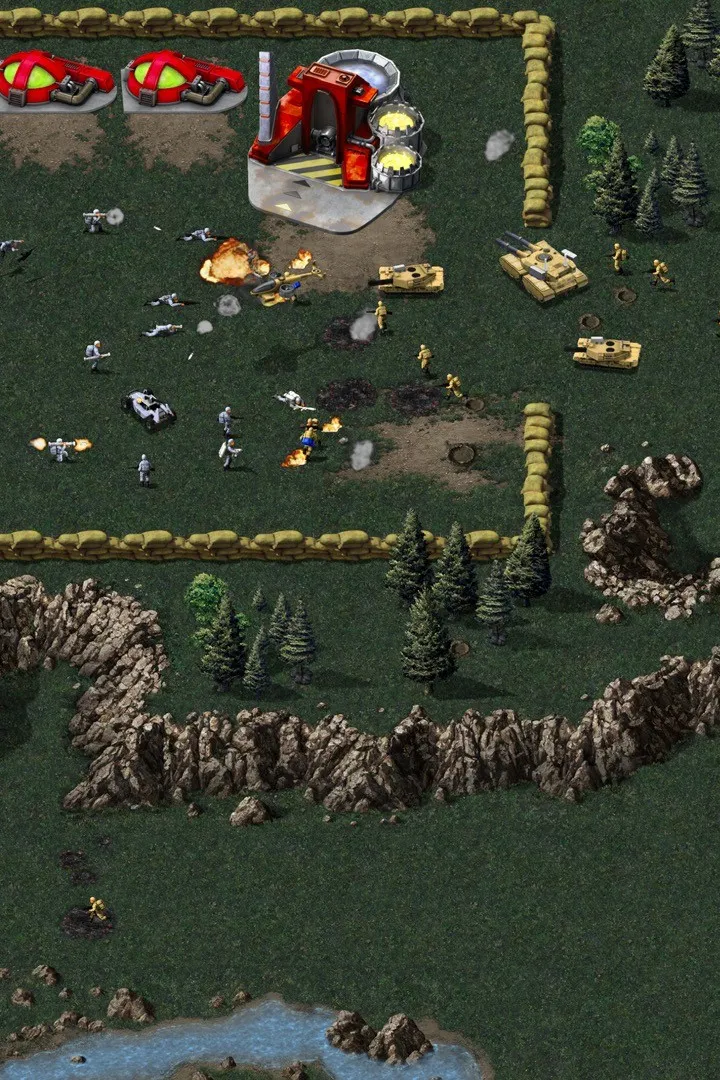
Once you have an idea of their strategy, you can begin to counter it. If your opponent is massing infantry, your response should involve units that excel against them. For the GDI, this might mean deploying more Riflemen, Engineers to capture buildings, or even a Mobile Construction Vehicle (MCV) to establish a forward base and produce anti-infantry vehicles like the Humvee. For Nod, Flame Tanks and Scorpion Tanks are excellent choices. If they are focusing on early vehicle rushes, then anti-tank infantry like the Missile Launcher or dedicated anti-tank vehicles like the Guardian Tank (GDI) or the Tank Buster (Nod) become essential.
Countering Specific Strategies:
- Infantry Rush: Deploy area-of-effect units (Flame Tanks, Grenadiers) or high-damage single-target units (Missile Launchers, Tank Busters). Consider using Engineers to capture their production buildings if they overextend.
- Vehicle Rush: Prioritize anti-tank units. GDI's Guardian Tank and Nod's Tank Buster are crucial. If they are using fast vehicles, consider setting up defensive emplacements like the Guard Tower (GDI) or Turret (Nod) at key chokepoints.
- Air Superiority: If the enemy is heavily investing in aircraft like Orcas or Kirovs, you must develop your own anti-air capabilities. GDI's SAM Site and Nod's SAM Turret are vital. Additionally, some ground units like the GDI Ranger and Nod Scorpion Tank have secondary anti-air capabilities.
- Economic Boom: If your opponent is neglecting military production for economy, this is your window for aggression. A well-timed raid with fast units can cripple their Refineries and set them back significantly.
Adaptability also extends to your own build. If your initial plan is being countered, don't be afraid to deviate. If your opponent is heavily armored, switch from massing basic tanks to producing units with higher armor penetration or anti-tank capabilities. If they are focusing on air, pivot your production towards anti-air defenses and units. The ability to quickly re-task your production facilities and adjust your unit mix based on battlefield conditions is what separates novice players from seasoned veterans.
Remember, the game is dynamic. Your opponent will also be adapting. Continuous scouting and a willingness to change your approach are the keys to outmaneuvering and ultimately defeating any foe in Command & Conquer.
100% Human-Written. AI Fact-Checked. Community Verified. Learn how AntMag verifies content