
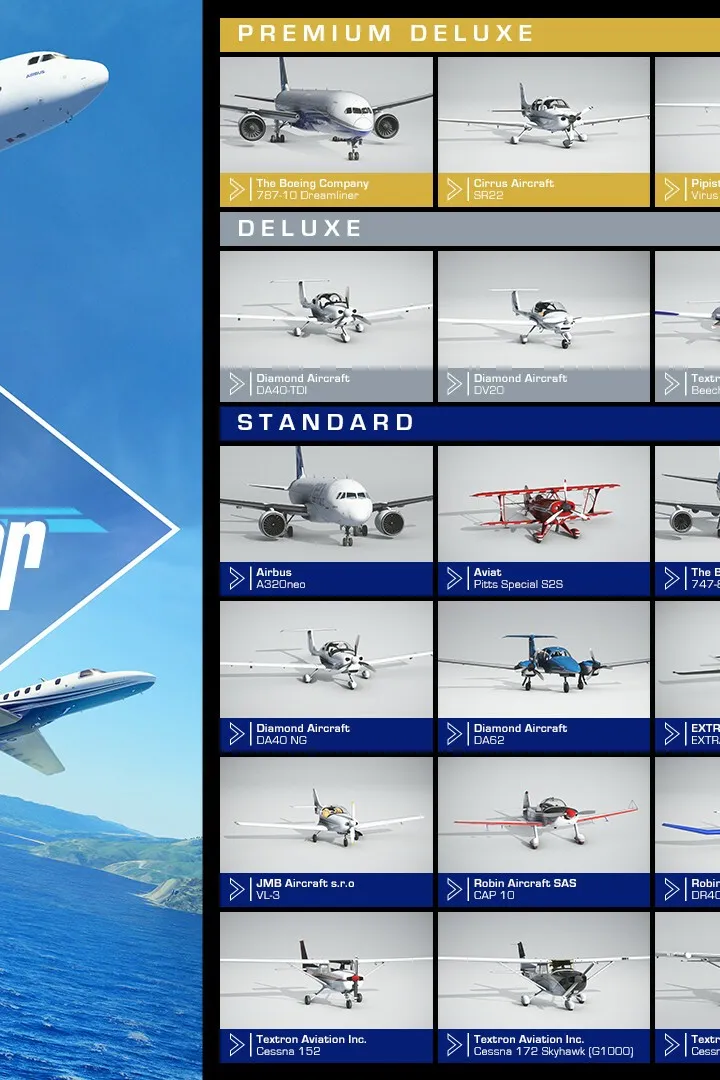
Understand Microsoft Flight Simulator aircraft systems: engine, controls, electrical, fuel, navigation, and pitot-static. Fly smarter.
Delve into the core systems that make your aircraft fly in Microsoft Flight Simulator. Understanding the engine, flight controls, electrical, and fuel systems is essential for safe and efficient operation. This section breaks down the complexity into manageable concepts for every pilot.
Microsoft Flight Simulator meticulously models a wide array of aircraft, each with its own unique set of systems. While the complexity varies greatly between a simple trainer and a complex airliner, understanding the fundamental systems is crucial for any pilot. This overview focuses on the most common and critical systems you'll encounter.
1. Powerplant (Engine) System
The engine is the heart of any aircraft, providing the thrust to overcome drag and achieve flight. In most piston-engine aircraft, you'll manage:
- Throttle: Controls the engine's power output, directly affecting thrust. Higher throttle means more power and faster acceleration or climb.
- Mixture: Regulates the fuel-to-air ratio. In unpressurized aircraft at altitude, leaning the mixture (reducing fuel) is necessary for optimal engine performance. Incorrect mixture can lead to engine roughness or failure.
- Propeller Control (if applicable): For aircraft with controllable-pitch propellers, this adjusts the propeller's blade angle to optimize performance for different phases of flight (takeoff, climb, cruise).
For jet aircraft, the throttle is the primary control, managing engine RPM and thrust.
2. Flight Control System
These are the surfaces that allow you to maneuver the aircraft:
- Ailerons: Located on the trailing edge of the wings, they control roll (banking left or right). Moving the yoke/stick left or right moves the ailerons differentially.
- Elevator: Located on the horizontal stabilizer at the tail, it controls pitch (nose up or down). Moving the yoke/stick forward or backward moves the elevator.
- Rudder: Located on the vertical stabilizer at the tail, it controls yaw (nose left or right). The rudder pedals control the rudder.
- Flaps: Extendable surfaces on the wings that increase lift and drag. They are used to reduce takeoff and landing speeds and increase descent rate.
- Trim: Small adjustable surfaces that help neutralize control forces, allowing you to fly without constantly holding pressure on the yoke/stick.
3. Electrical System
The electrical system powers all the aircraft's instruments, lights, radios, and other avionics. Key components include:
- Battery: Provides initial power and acts as a backup if the alternator fails.
- Alternator/Generator: Produces electrical power once the engine is running and recharges the battery.
- Circuit Breakers/Fuses: Protect the electrical system from overloads.
Understanding how to manage your electrical power is vital, especially in aircraft with limited capacity.
4. Fuel System
This system delivers fuel from the tanks to the engine. You'll typically manage:
- Fuel Tanks: Aircraft have multiple tanks (e.g., left wing, right wing, center). You'll need to switch between them to ensure even fuel burn and prevent fuel starvation.
- Fuel Selector Valve: Allows you to select which tank(s) the engine draws fuel from.
- Fuel Pumps (if applicable): Electrically driven pumps that can assist fuel flow, especially during takeoff or in certain configurations.
5. Navigation and Communication Systems
These systems are crucial for knowing where you are and communicating with others:
- GPS: Provides navigation data and allows for flight plan following.
- NAV Radios: Tune into VOR and ILS (Instrument Landing System) signals for navigation.
- COM Radios: Used for communication with Air Traffic Control (ATC) and other aircraft.
- Autopilot: A system that can automatically control the aircraft's attitude, heading, and altitude.
6. Pitot-Static System
This system provides crucial airspeed and altitude information:
- Pitot Tube: Measures ram air pressure to determine airspeed.
- Static Port: Measures ambient air pressure for altimeter and VSI readings.
- Heated Pitot Tube: Prevents ice buildup in cold weather, which can lead to inaccurate airspeed readings.
Familiarizing yourself with these systems will not only enhance your immersion but also improve your ability to operate aircraft realistically and safely within Microsoft Flight Simulator.
100% Human-Written. AI Fact-Checked. Community Verified. Learn how AntMag verifies content