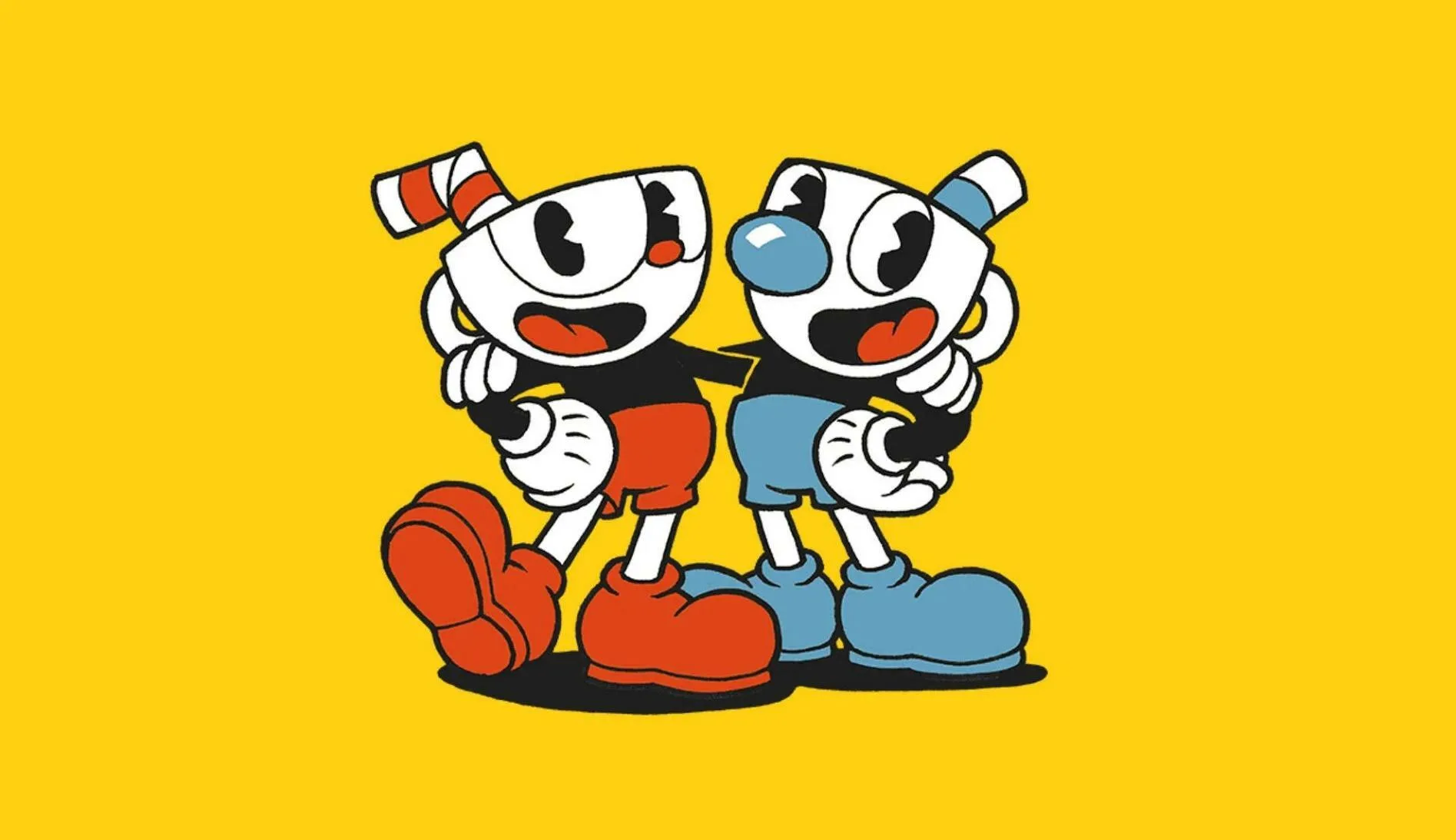
Analyze Cuphead's 1930s rubber hose animation style, symbolism, and visual storytelling. See how character designs and environments reflect the era's themes.
Cuphead's distinctive 1930s rubber hose animation style is more than just an aesthetic choice; it's a fundamental element of the game's narrative and thematic depth. The visual language employed throughout Cuphead is rich with symbolism, drawing heavily from the era's cartoons and societal undertones. The very premise, where Cuphead and Mugman gamble away their souls to the Devil, is a cautionary tale rooted in the moral fables prevalent in early 20th-century media. The characters themselves, often anthropomorphic objects or creatures, embody specific vices or virtues. For instance, the bosses, such as the Root Pack or Werner Werman, are not merely obstacles but visual representations of challenges or temptations that Cuphead must overcome. The vibrant, often chaotic animation reflects the frenetic energy and anxieties of the Great Depression era, a period marked by economic hardship and a desire for escapism through entertainment. The game's use of limited color palettes in certain areas, or the stark contrast between the cheerful overworld and the nightmarish boss arenas, further enhances its storytelling. The parry mechanic, a core gameplay element, visually sifies the act of confronting and turning negative forces into opportunities for advancement, mirroring the resilience often depicted in the era's optimistic narratives. Even the collectible Gold Coins, scattered throughout the Run & Gun levels, represent the tangible stakes of the characters' quest and the temptations of wealth that led them into their predicament.
The visual des extends to the subtle details within each level. For example, the background elements in stages like the "Inkwell Isle One" often hint at the nature of the boss or the story behind their contract. The exaggerated expressions and movements of both allies and enemies contribute to the game's unique brand of dark humor, where peril is often presented with a disarming, almost slapstick, visual flair. This juxtaposition of lighthearted animation with challenging gameplay and a dark narrative is a key aspect of Cuphead's identity. The Elder Kettle, a wise elder figure, is depicted with a comforting, albeit slightly weary, demeanor, contrasting with the more menacing or eccentric dess of the game's antagonists. The very act of collecting soul contracts visually reinforces the game's central conflict, with each contract representing a soul lost and a debt to be repaid. The visual storytelling ensures that even without extensive dialogue, You understands the stakes and the world's underlying themes of temptation, consequence, and redemption.
100% Human-Written. AI Fact-Checked. Community Verified. Learn how AntMag verifies content