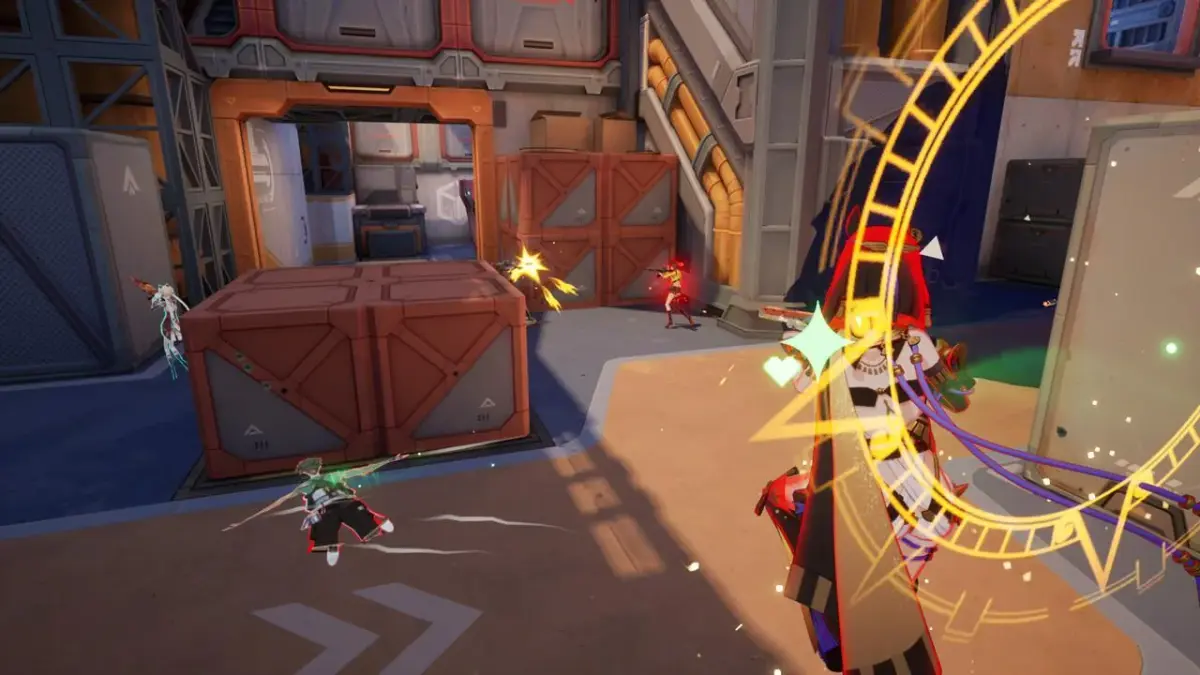
Learn effective defensive strategies and smart fortification in Strinova to hold ground, protect objectives, and regroup for counter-attacks.
In Strinova, holding ground is as crucial as pushing forward. Effective defensive strategies and smart fortification can turn the tide of a losing battle, protect vital objectives, and allow your team to regroup and counter-attack. This section details how to establish and maintain strong defensive positions.
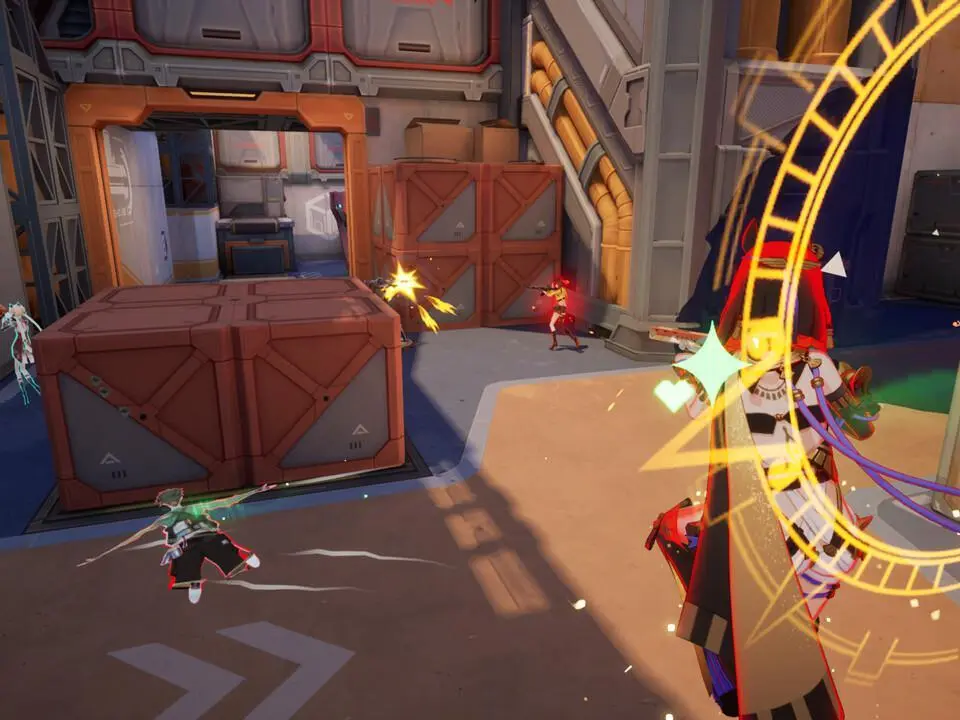
Establishing a Stronghold
When tasked with defending an area or objective, your first priority is to assess the environment and identify advantageous positions. Look for natural cover, elevated vantage points, and choke points that can funnel enemy advances.
- Location Scouting: Always survey the area for defensible structures, elevated positions (like rooftops or hills), and narrow passages. These are ideal spots to set up your defenses.
- Choke Point Control: Identify pathways enemies are likely to use. These are your primary targets for fortification. Denying easy access forces them into predictable routes, making them easier to eliminate.
- Flank Awareness: While focusing on the front, never forget about potential flanking routes. Designate a player or set up defenses to cover these less obvious approaches.
Essential Defensive Gear & Items
The right equipment can significantly bolster your defenses. Prioritize items that provide cover, area denial, and early warning.
- Deployable Cover: Items like the "Bulwark Shield" (found in most supply crates or crafted at workbenches) offer instant, mobile cover. Place these strategically to create new firing lines or reinforce existing cover.
- Barricades: The "Reinforced Barricade" (often found in industrial zones or dropped by specific enemy types) provides more substantial, albeit less mobile, cover. These are excellent for blocking doorways or reinforcing windows.
-
Mines & Traps:
- "Proximity Mine": Excellent for covering flanks or choke points. Place them where enemies are likely to step.
- "Tripwire Explosive": Can be attached to doorways or narrow paths for an immediate alert and damage.
-
Turrets:
- "Sentry Turret": A stationary automated defense that can lay down suppressing fire. Best placed in areas with good fields of fire and cover for yourself.
- "Deployable Mortar": Offers area-of-effect damage and can be used to deny large areas or bombard entrenched enemies. Requires manual operation.
-
Sensory Equipment:
- "Motion Sensor": Provides early warning of approaching enemies, allowing you to prepare or reposition. Place these on approaches to your position.
- "Acoustic Sensor": Detects sound, useful for identifying enemy movement through walls or around corners.
Fortification Tactics
Once you've chosen your position and gathered your gear, it's time to fortify. This involves creating a layered defense that makes it difficult for the enemy to breach.
- Layered Cover: Don't rely on a single piece of cover. Combine natural terrain with deployable items. For example, place a Bulwark Shield behind a sturdy crate to create a more robust firing position.
- Area Denial: Use Proximity Mines or Tripwire Explosives on common entry points. If you have a Deployable Mortar, set it up to cover the most likely enemy advance routes.
- Sentry Placement: Position Sentry Turrets to cover your flanks or the main approach. Ensure they have a clear line of sight but are not easily destroyed themselves. Protect them with cover if possible.
- Reinforce Entry Points: Use Reinforced Barricades to block off less critical entrances to your defended area. This forces enemies through your primary kill zones.
- Establish Overwatch: If possible, have one player in an elevated position with a clear view of the approaches. This player can call out enemy movements and provide supporting fire.
- Communication is Key: Constantly communicate enemy positions, numbers, and movements to your teammates. Call out when mines are triggered or when a breach is imminent.
Adapting to Enemy Pressure
Defenses are not static. Be prepared to adapt your strategy based on enemy tactics and the flow of the battle.
- Fallback Positions: Designate secondary defensive positions in case your primary stronghold is overrun. This allows for a fighting retreat rather than a complete collapse.
- Counter-Offensive Preparation: While defending, keep an eye out for opportunities to launch a counter-attack. A well-timed push can catch the enemy off guard and reclaim lost ground.
- Resource Management: Keep track of your ammunition and deployable item reserves. Knowing when to conserve and when to expend resources is vital for sustained defense.
100% Human-Written. AI Fact-Checked. Community Verified. Learn how AntMag verifies content