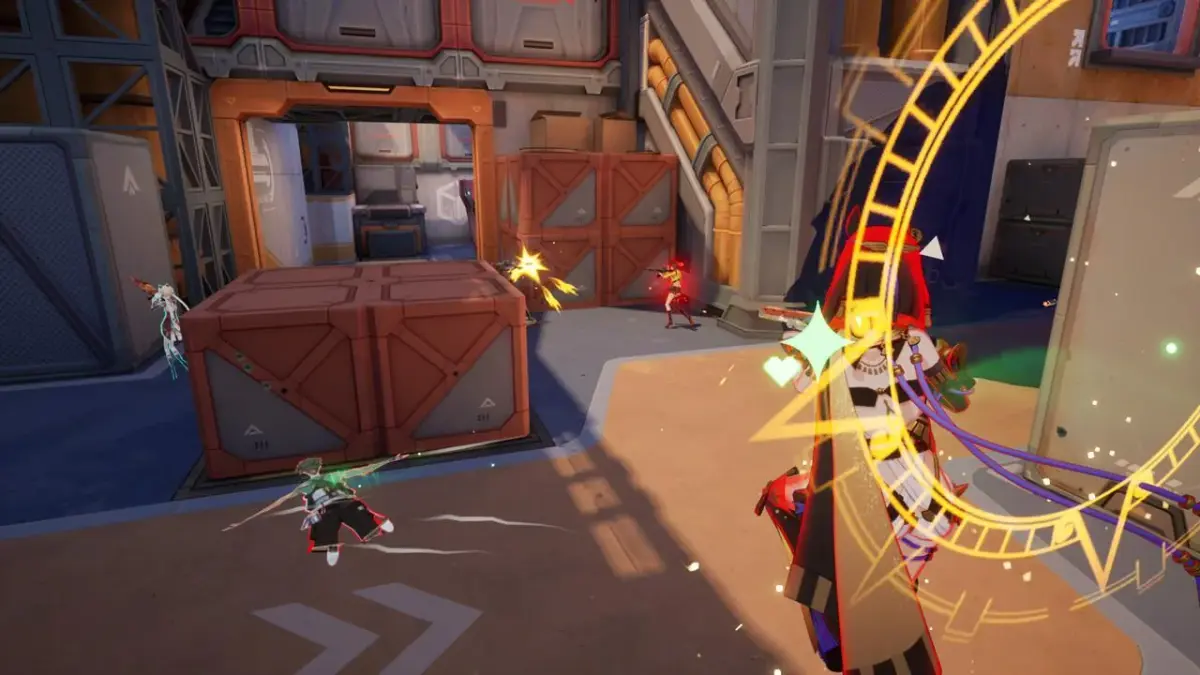
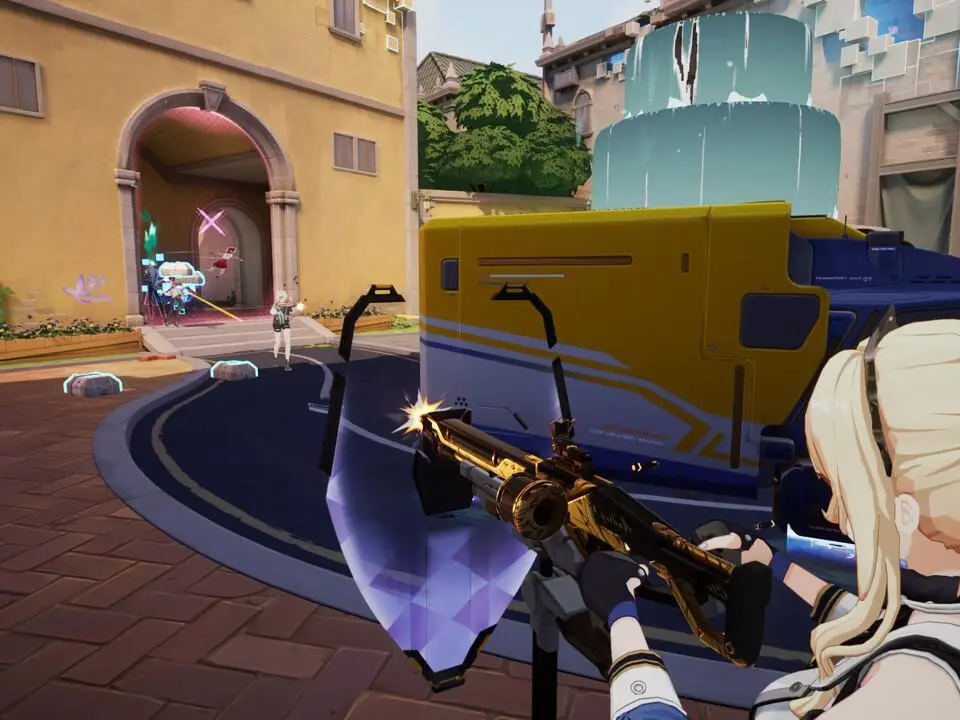
Master Strinova's match economy. Learn smart spending, currency management, and resource acquisition for crucial in-game advantages and late-game power spikes.
Mastering the in-match economy is crucial for success in Strinova. It's not just about aiming; it's about smart spending and resource acquisition. This guide will walk you through the key aspects of managing your currency, from initial purchases to late-game power spikes.
Understanding Your Resources
In Strinova, your primary resource is Credits. You earn Credits through:
- Eliminating enemy players.
- Completing objectives (e.g., planting/defusing the bomb in a Bomb Scenario).
- Round wins and losses.
- Specific utility usage (e.g., successful flashes or molotovs that lead to kills).
The Buy Menu: Your Gateway to Power
The Buy Menu (accessed by default with the 'B' key) is where you'll spend your Credits. It's divided into several categories:
Primary Weapons
- Assault Rifles (e.g., Vandal, Phantom): Your bread-and-butter. High damage, versatile. Generally cost between 2900-3000 Credits.
- Sniper Rifles (e.g., Operator, Marshal): High-risk, high-reward. The Operator is a game-changer but costs a hefty 4700 Credits. The Marshal is a cheaper, one-shot headshot option.
- SMGs (e.g., Spectre, Stinger): Good for close-to-mid range, especially on eco rounds or when saving.
- Shotguns (e.g., Bucky, Judge): Devastating up close, but limited range.
- Heavy Weapons (e.g., Odin, Ares): High ammo capacity, good for suppressing fire, but slow to equip and reload.
Secondary Weapons
- Pistols (e.g., Classic, Ghost, Sheriff): Essential for pistol rounds and as a backup. The Sheriff is a powerful, albeit expensive, pistol option.
Armor
- Light Armor (35 Credits): Provides a small buffer against body shots.
- Heavy Armor (1000 Credits): Significantly increases your survivability. Always prioritize this if you can afford it.
Utility
- Grenades (e.g., Frag Grenade): Direct damage.
- Smokes (e.g., Smoke Grenade): Obscure vision, crucial for site executes and retakes.
- Flashes (e.g., Flashpoint): Temporarily blind enemies.
- Molotovs/Incendiaries (e.g., Incendiary): Area denial, good for flushing out enemies or stopping pushes.
- Recon/Information Tools (e.g., Recon Bolt): Reveal enemy positions.
Economy Strategies
1. The Pistol Round (Round 1)
This sets the tone. Your options depend on your team's coordination and your starting Credits (usually 800).
- Full Buy: If your team agrees, you can all buy Heavy Armor and a decent pistol like the Ghost.
- Eco/Save: Buy minimal gear (e.g., Light Armor and a Classic) and focus on getting kills or surviving to save for the next round.
- Force Buy: A risky play where you buy slightly better gear than an eco but less than a full buy.
2. Eco Rounds (Saving)
These rounds are for building up Credits. The goal is to lose the round efficiently to have enough for a full buy in the next.
- Strategy: Buy only a pistol (e.g., Classic or Ghost) and perhaps Light Armor. Avoid engaging unless absolutely necessary. Focus on surviving and letting the enemy take the round.
- Location: You can buy these items from the Buy Menu at the start of the round.
3. Force Buys
When you're slightly behind in Credits but need to contest a round, a force buy is an option.
- Strategy: Aim for a balance. Perhaps a Spectre with Light Armor, or a Sheriff with Heavy Armor. The key is to get enough firepower to have a chance without crippling your economy for the subsequent round.
4. Full Buys
This is when you have enough Credits (typically 3900+ for a player with a rifle and Heavy Armor) to purchase the best available gear.
- Strategy: Coordinate with your team. Ensure everyone is buying similar loadouts (e.g., everyone with a Vandal/Phantom and Heavy Armor, plus essential utility).
- Item Priority: Heavy Armor > Primary Weapon > Key Utility (Smokes, Flashes).
5. Mid-Game Transitions
As the game progresses, your economy will fluctuate. Pay attention to your team's Credit totals.
- Team Communication: Use voice chat to announce your Credit count and what you can afford. "I have 4000, can full buy," or "I'm on an eco, saving this round."
- Adaptability: If the enemy team is consistently full buying and you're struggling, consider a strategic eco round to catch up.
6. Late-Game Power Spikes
In the final rounds, having the best weapons and utility is paramount. This is where smart early-game economy management pays off.
- Operator Rush: If you have a significant Credit advantage, consider buying an Operator. Coordinate with your team to provide cover fire or utility for your Operator player.
- Full Utility: Ensure players who specialize in utility (e.g., Controllers with smokes) have enough Credits to buy their full kit.
Key Takeaways
- Communicate: Always talk to your team about your economy.
- Prioritize: Heavy Armor and primary weapons are usually top priorities.
- Be Patient: Don't force buys too often; strategic eco rounds are vital.
- Track Enemy Economy: If you know the enemy is low on Credits, you can press your advantage with a full buy.
By understanding and actively managing your Credits, you'll gain a significant edge over opponents who neglect this crucial aspect of Strinova.
100% Human-Written. AI Fact-Checked. Community Verified. Learn how AntMag verifies content