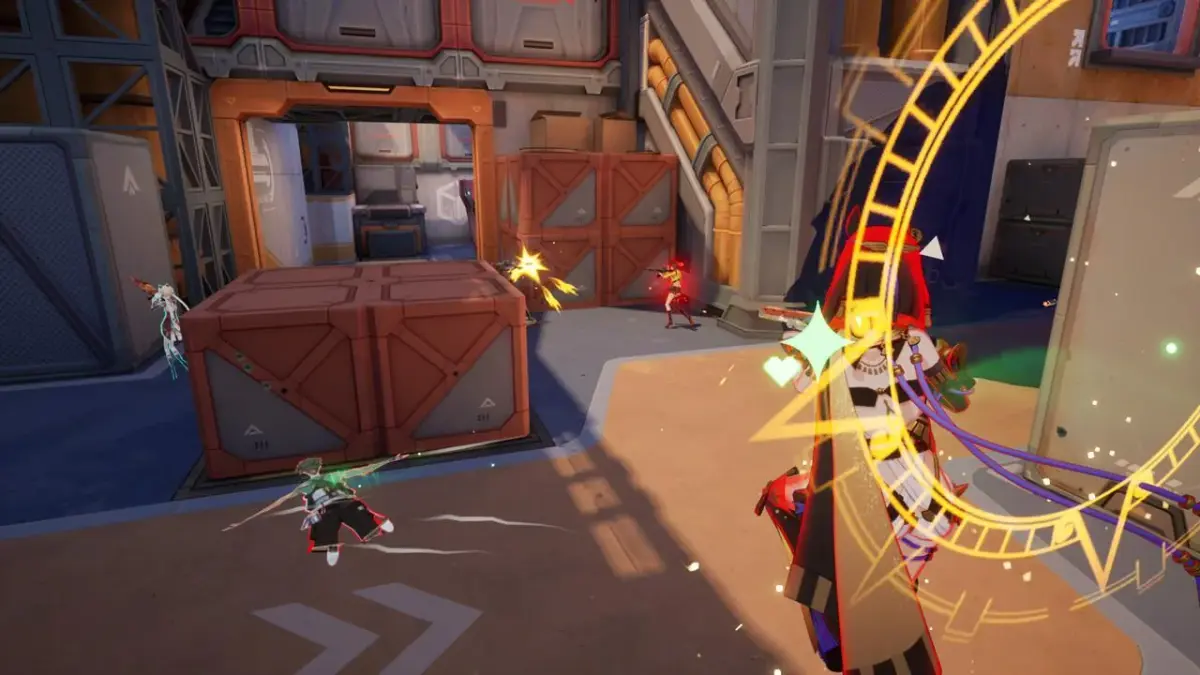
Craft superior defenses with our Strinova Armor Crafting guide. Understand material properties, optimize suit modules, and forge powerful protective gear.
While a powerful arsenal is crucial in Strinova, surviving the relentless onslaught of enemies demands robust protection. Armor Crafting is your key to mitigating damage, enhancing your survivability, and even gaining tactical advantages through specialized suit modules. This section will walk you through the intricacies of forging protective gear, from understanding material properties to integrating advanced defensive systems.
Just like weapon crafting, armor creation begins with acquiring blueprints and raw materials. However, armor crafting introduces unique considerations such as damage resistance types (Kinetic, Energy, Explosive) and the integration of utility modules. Mastering this system will allow you to tailor your defenses to specific threats and environments, transforming you from a fragile combatant into a resilient force on the battlefield.
To begin crafting armor, navigate to the "Fabrication Terminal" located in your Safe House or any designated Outpost. Select the "Armor" tab to view available blueprints and crafting options. Ensure you have the necessary materials and sufficient credits before initiating any crafting process.
- Acquiring Blueprints: Armor blueprints are primarily obtained through completing high-difficulty missions, defeating elite enemies, or purchasing them from specialized vendors in major hubs. Keep an eye out for "Advanced Defensive Schematics" as these often unlock higher-tier armor sets.
- Gathering Materials: Armor crafting requires a diverse range of materials, including various grades of alloys (e.g., Durasteel, Plasteel), synthetic fibers (e.g., Nanoweave, Exo-mesh), and rare compounds (e.g., Quantum Shards, Void Dust). These are typically scavenged from defeated enemies, mined from resource nodes, or acquired through dismantling unwanted gear.
- Understanding Armor Tiers: Similar to weapons, armor comes in different tiers (Common, Uncommon, Rare, Epic, Legendary). Higher-tier armor offers superior base defense, more module slots, and often comes with inherent bonuses.
- Module Integration: This is where armor truly shines. Each armor piece (Helmet, Chest, Arms, Legs) has dedicated module slots. Modules can provide a wide array of benefits, such as increased health regeneration, enhanced shield capacity, resistance to specific damage types, or even active abilities like temporary invisibility or a short-burst speed boost. Experiment with different module combinations to find what best suits your playstyle and the challenges ahead.
Tip: Always prioritize crafting armor that offers resistance to the dominant damage type of the enemies you're currently facing. For example, if you're entering an area heavily populated by energy-weapon-wielding foes, craft armor with high Energy Resistance.
100% Human-Written. AI Fact-Checked. Community Verified. Learn how AntMag verifies content