
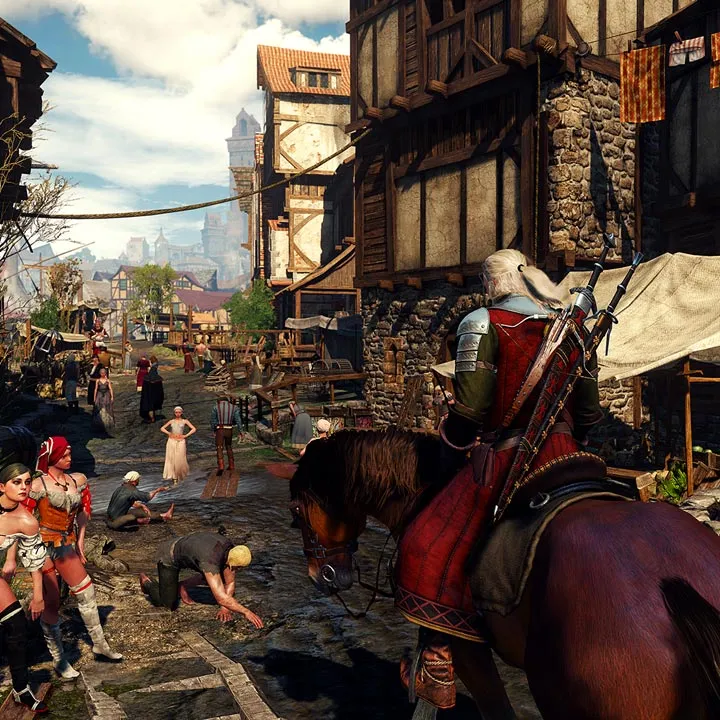
Navigate The Witcher 3: Wild Hunt with our guide covering combat tactics, quest strategies, and the best gear. Become a master monster slayer.
Embark on an epic journey with Geralt of Rivia in The Witcher 3: Wild Hunt. This comprehensive guide offers a complete walkthrough, detailing strategies for challenging combat, enemy encounters, and navigating the vast open world. Discover tips for quests, crafting, and mastering the game's intricate systems to become the ultimate monster slayer.
Welcome to The Witcher 3: Wild Hunt
Welcome to our comprehensive guide for CD Projekt Red's critically acclaimed RPG, The Witcher 3: Wild Hunt. This walkthrough is designed to assist you from the very beginning of Geralt's quest to its conclusion. The game features a sprawling open world, rich narrative, and challenging combat, and this guide will help you master its many intricacies.
Core Gameplay Mechanics
The Witcher 3 blends action combat with deep RPG elements. Key mechanics include:
- Combat: Utilize a combination of fast and strong attacks, dodges, parries, and Witcher Ss (i, Aard, Quen, Yrden, Axii) to overcome foes. Understanding enemy attack patterns and weaknesses is crucial.
- Alchemy: Brew potions, decoctions, and craft bombs using ingredients found throughout the world. These consumables provide significant buffs and are essential for tough fights.
- Crafting: Gather diagrams and materials to craft powerful weapons, armor, and other useful items. Investing in crafting can significantly improve Geralt's effectiveness.
- Witcher Senses: Use Geralt's enhanced senses to track monsters, find clues, and uncover hidden secrets. This ability is vital for both combat preparation and quest progression.
- Gwent: Engage in the popular in-game card game, Gwent. Collecting cards and building a strong deck can provide a fun diversion and valuable rewards.
Navigating the World
The world of The Witcher 3 is vast and filled with opportunities. Key regions include:
- White Orchard: The starting area, ideal for learning the game's mechanics and completing early quests.
- Velen/Novigrad: A war-torn land with a sprawling city, offering a mix of main quests, side quests, and monster contracts.
- Skellige Isles: A rugged archipelago with a distinct culture, featuring challenging terrain and unique quests.
- Kaer Morhen: The ancestral home of the Witchers, a significant location for story progression.
Combat Strategies and Enemy Types
Each monster in The Witcher 3 has specific vulnerabilities. Consulting the Bestiary is highly recommended before engaging new foes.
- Drowners: Weak to i and Specter Oil. Fight them in groups with sweeping attacks.
- Ghouls: Vulnerable to i and Necrophage Oil. Use fast attacks and dodges.
- Nekkers: Often appear in swarms. Use i to control crowds and fast attacks to deal with individuals.
- Griffins: A challenging early-game boss. Use Aard to stagger them and Quen for defense. Apply Specter Oil.
- Werewolves: Resistant to most damage but vulnerable to i and Beast Oil. Use Quen and dodge their powerful lunges.
Questing and Progression
The game features a main questline, numerous side quests, Witcher Contracts, and Treasure Hunts. Prioritize quests that al with your level to ensure a balanced progression. Pay attention to dialogue choices, as they can significantly impact the story and its outcomes.
Tips for Success
- Save Often: The game features autosaves, but manual saves before important decisions or difficult encounters are highly advised.
- Explore Thoroughly: Many valuable items, crafting materials, and hidden quests are found off the beaten path.
- Upgrade Gear: Regularly craft or purchase better weapons and armor to keep Geralt competitive.
- Master Alchemy: Don't neglect potions and decoctions; they can turn the tide of difficult battles.
- Read the Bestiary: Understanding your enemy is half the battle.
100% Human-Written. AI Fact-Checked. Community Verified. Learn how AntMag verifies content