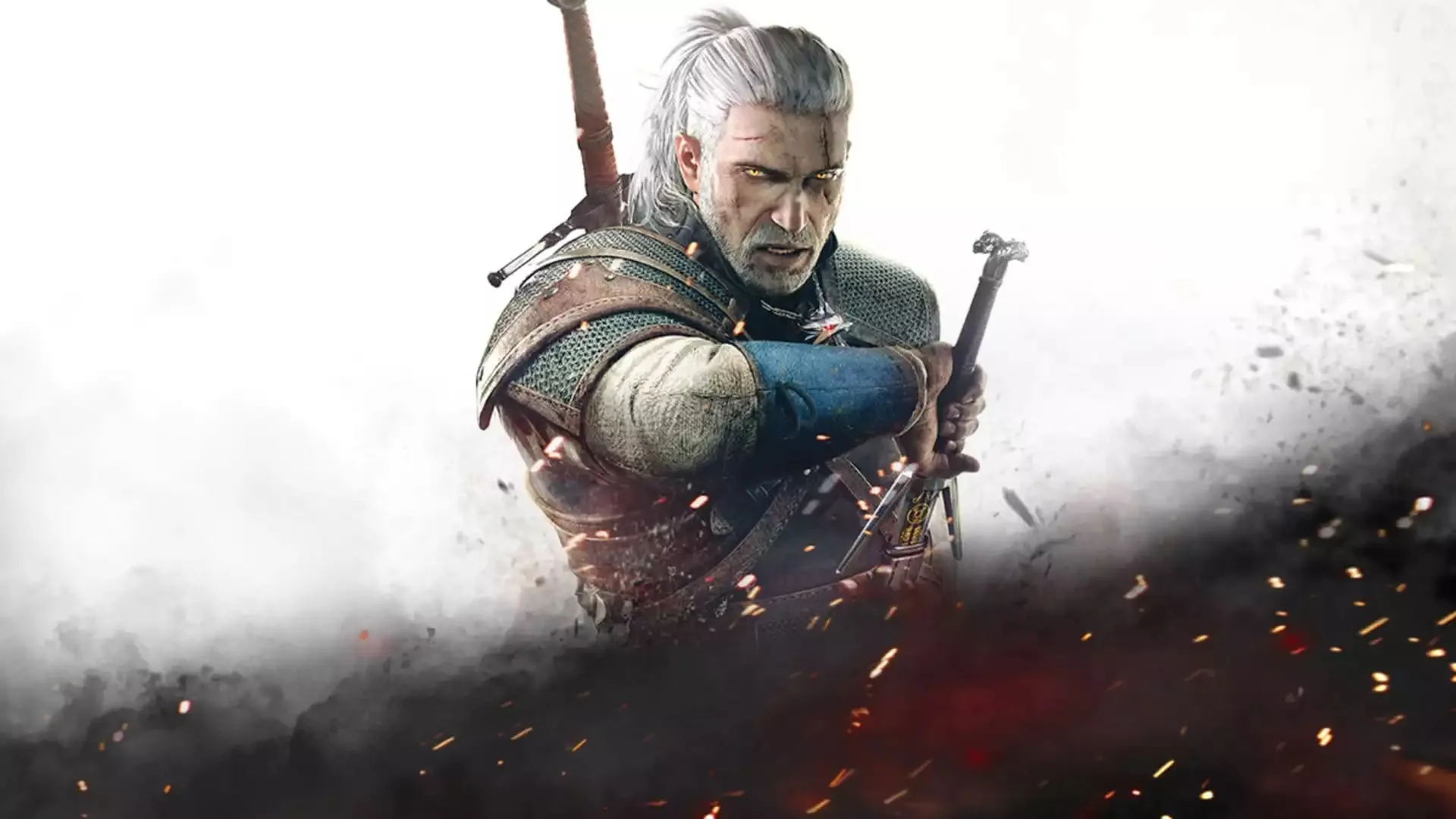
Collect Gwent cards in The Witcher 3: Wild Hunt. Learn about factions, deck building, and winning strategies to master this addictive card game.
Master the intricate card game of Gwent in The Witcher 3: Wild Hunt. This guide will help you collect all available Gwent cards, understand their strengths and weaknesses, and build winning decks to defeat your opponents across the Continent.
Gwent is more than just a mini-game; it's a strategic card battle that can be as engaging as the main quests. To become a true Gwent master, you'll need to collect a vast array of cards, each belonging to one of four factions: the Northern Realms, Nilfgaardian Empire, Scoia'tael, and the Monsters. Each faction boasts unique strengths, special abilities, and a distinct playstyle.
Collecting Gwent Cards
The primary way to acquire new Gwent cards is by playing and winning against various NPCs throughout the world. Many merchants, innkeepers, and even some quest givers will challenge you to a game. Winning these matches often rewards you with a random card from their faction or a specific card tied to the quest or encounter.
Beyond winning matches, some cards are obtained through specific quests, particularly those related to Gwent itself. For example, the "Collect 'Em All" questline involves a series of Gwent matches that reward you with some of the rarest and most powerful cards in the game. Keep an eye out for any NPC who mentions playing Gwent, as they are often potential opponents.
Understanding Factions and Deck Building
Each faction has a different approach to the game:
- Northern Realms: Known for their strong melee units and the "Hero" ability, which makes them immune to most card effects. They excel at overwhelming opponents with sheer numbers and powerful individual units.
- Nilfgaardian Empire: Focuses on weather effects and the "Spy" ability, which allows you to draw extra cards. Their strength lies in disrupting the opponent's strategy and gaining card advantage.
- Scoia'tael: Emphasizes agile units and the "Medic" ability, which can bring back fallen units from your discard pile. They are versatile and can adapt to various situations.
- Monsters: Features powerful units with the "Hero" ability and the "Decoy" ability, allowing you to reuse unit abilities. They excel at creating powerful combos and overwhelming opponents with high-strength units.
When building your deck, aim for a balance of close combat, ranged, and siege units. include special cards like "Scorch" (destroys the strongest unit on the field) and "Villentretenmereth" (destroys the strongest unit on the field, but is a Hero card). The number of cards in your deck matters; a minimum of 22 unit cards is required, with a maximum of 10 special cards.
Winning Strategies
The key to winning Gwent is to understand your opponent's deck and playstyle, and to manage your hand effectively. Don't be afraid to lose the first round; sometimes it's better to concede a round to save your stronger cards for later rounds. Always try to keep your best cards for the final round, as this is where the game is often decided.
Pay attention to the special abilities of each card. "Hero" cards are powerful but cannot be affected by most abilities. "Spy" cards are crucial for drawing more cards, giving you a significant advantage. "Medic" cards can bring back valuable units from your discard pile. Mastering these abilities and knowing when to use them is vital for victory.
100% Human-Written. AI Fact-Checked. Community Verified. Learn how AntMag verifies content