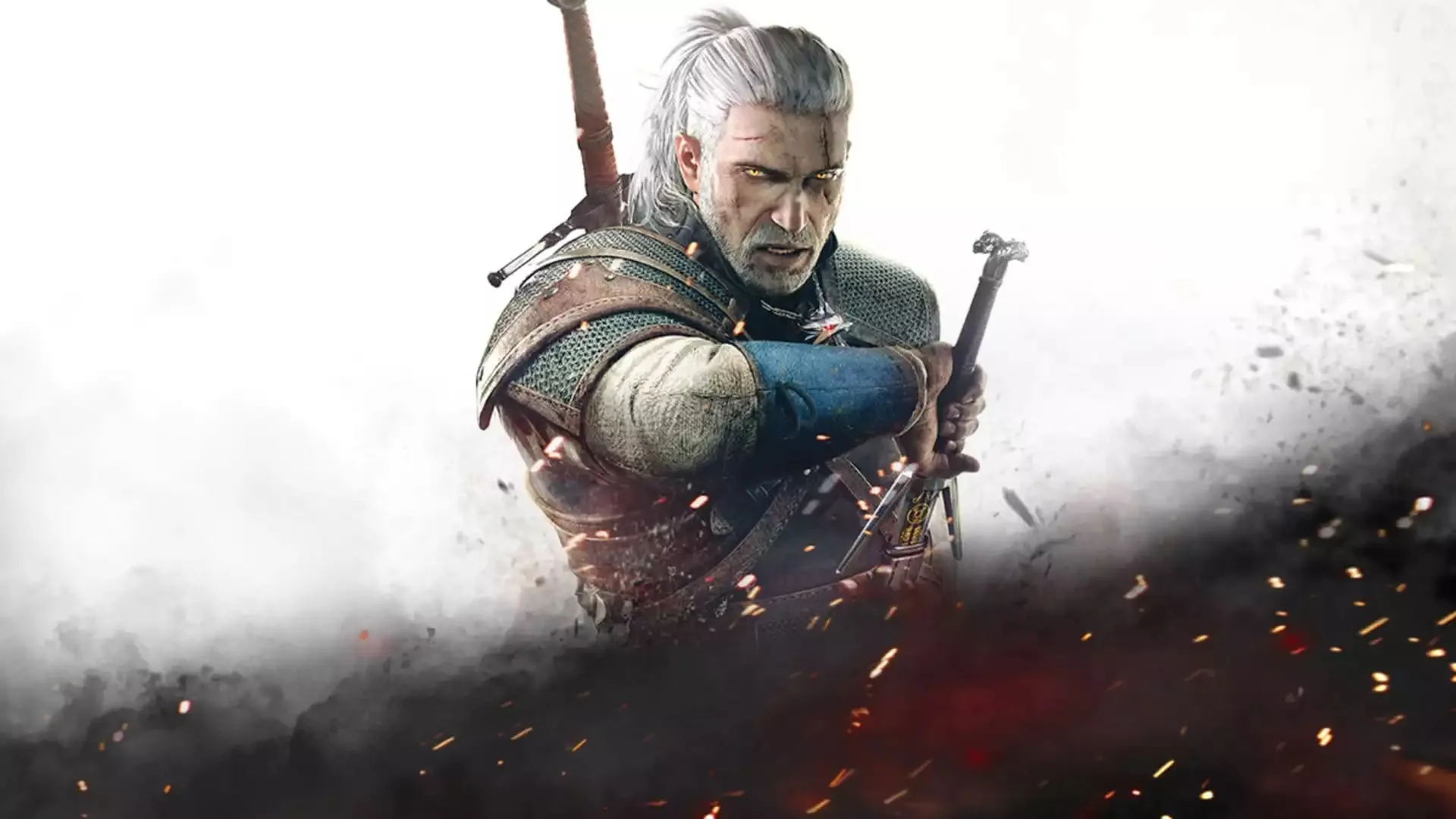
Configure your difficulty settings in The Witcher 3: Wild Hunt. Select from four options that affect enemy behavior and combat mechanics for your playstyle.
The Witcher 3: Wild Hunt offers four distinct difficulty settings, each impacting enemy resilience, damage output, and the availability of certain combat mechanics. Choosing the right difficulty is crucial for tailoring the experience to your preferred playstyle, from a narrative-focused adventure to a brutal test of your Witcher skills.
When embarking on your journey as Geralt of Rivia, you'll have the choice between four difficulty levels, each offering a unique challenge and altering the combat experience significantly. These options allow you to tailor the game to your preferred playstyle, whether you're here for the story, seeking a balanced challenge, or craving the ultimate test of your Witcher prowess.
Difficulty Options Explained
- Just the Story!: This is the easiest setting, designed for players who want to focus on the rich narrative and world of The Witcher 3 without being overly challenged by combat. Enemies deal significantly less damage, and Geralt is more resilient. This mode is ideal for newcomers to the series or those who prefer a more relaxed exploration experience.
- Story and Sword: A balanced difficulty that offers a moderate challenge. Enemies are tougher than on 'Just the Story!', and combat requires more strategic thinking and skillful execution. This is a good starting point for most players, providing a satisfying blend of story and engaging combat.
- Blood and Broken Bones: This setting ramps up the difficulty considerably. Enemies hit harder, are more aggressive, and Geralt will need to be much more careful in his engagements. Mastering combat mechanics, such as dodging, parrying, and using Ss effectively, becomes essential for survival.
- Death March!: The ultimate challenge. This difficulty is designed for seasoned players who want to push their skills to the absolute limit. Enemies are incredibly powerful, and even minor mistakes can be fatal. You'll need to be a master of all Geralt's abilities, from combat to alchemy and Ss, to overcome the challenges presented on Death March.
Key Differences Across Difficulties
The primary differences between the difficulty settings revolve around enemy stats and the availability of certain combat aids. As you increase the difficulty:
- Enemy Damage Output: Enemies will deal progressively more damage to Geralt. On 'Death March!', even basic enemies can quickly deplete your health if you're not careful.
- Enemy Resilience: Enemies will have more health and may take longer to defeat, especially on higher difficulties.
- Automatic Finishers: On 'Just the Story!' and 'Story and Sword', automatic finishers are enabled by default. These allow Geralt to perform a cinematic finishing move on weakened enemies, often negating incoming damage during the animation. However, on 'Blood and Broken Bones' and 'Death March!', automatic finishers are disabled by default. This is to prevent players from unintentionally avoiding damage during critical moments and to encourage more active engagement with combat mechanics. You can manually toggle automatic finishers on or off in the game's menu at any time, but it's generally advised to disable them on higher difficulties to avoid frustration.
- Enemy Aggression and AI: While not explicitly stated as a stat change, enemies may appear more aggressive and their AI might be more reactive on higher difficulties, requiring quicker reflexes and more strategic positioning.
Tips for Each Difficulty
- Just the Story!: Focus on exploring, completing quests, and enjoying the narrative. Combat will be forgiving, allowing you to experiment with different Ss and sword techniques without severe consequences.
- Story and Sword: Start learning the basics of combat. Practice dodging and blocking, and begin to incorporate Ss into your combat rotation. Pay attention to enemy attack patterns.
- Blood and Broken Bones: This is where combat becomes a significant part of the challenge. Master dodging and parrying. Learn to use Ss strategically to exploit enemy weaknesses. Alchemy and crafting become more important for creating potions and oils that provide crucial buffs.
- Death March!: Every fight is a potential death sentence. Thoroughly research enemy weaknesses and prepare accordingly with the right oils, potions, and bombs. Perfect your dodging and parrying. Consider investing heavily in the Combat and S skill trees to maximize Geralt's effectiveness. Don't be afraid to retreat and regroup if a fight is too overwhelming.
Ultimately, the best difficulty for you depends on your personal preference and experience with action RPGs. Don't hesitate to experiment with different settings early on to find what feels right.
100% Human-Written. AI Fact-Checked. Community Verified. Learn how AntMag verifies content