
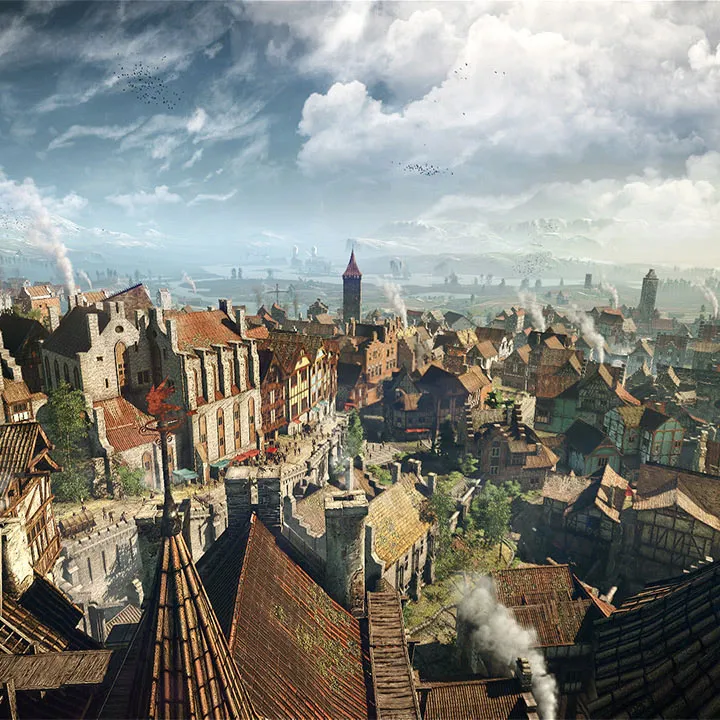
Build a winning Gwent deck in The Witcher 3: Wild Hunt. Understand faction strengths and card types to dominate opponents and collect rare cards.
Building a strong Gwent deck in The Witcher 3 is crucial for winning matches and unlocking Gwent-related achievements. Focus on collecting powerful cards, understanding faction strengths, and creating a balanced deck with a mix of unit types and special abilities. A well-constructed deck will significantly improve your chances of victory against any opponent.
Understanding Card Types and Factions
Before constructing your deck, familiarize yourself with the different card types and the unique strengths of each Gwent faction:
- Unit Cards: These form the core of your deck, with varying strength values. They are categorized into Melee, Ranged, and Siege rows.
- Special Cards: These cards have unique effects that can turn the tide of a match, such as the Scorch card to destroy the strongest units or Decoy to return a unit to your hand.
- Factions: Each faction has a distinct playstyle and special ability. The main factions are:
- Northern Realms: Balanced, with strong unit cards and abilities that buff their own units.
- Nilfgaardian Empire: Focuses on drawing cards and using spies to gain an advantage.
- Scoia'tael: Agile and often relies on powerful hero cards and abilities that can be used multiple times.
- Monsters: Known for their swarm tactics and cards that can resurrect fallen units.
- Skellige: Features strong units and abilities that can bring back discarded cards.
Key Deck Building Strategies
The goal of Gwent is to have a higher total strength than your opponent after three rounds. Here are some strategies to consider when building your deck:
- Card Count: Aim for a deck size of at least 22 unit cards, plus any special cards you deem essential. Avoid overstuffing your deck, as this can lead to drawing weaker cards.
- Hero Cards: These are powerful, unkillable cards with high strength values. Include your strongest hero cards, especially those with beneficial abilities.
- Synergy: Look for cards that work well together. For example, cards that buff units in a specific row are excellent when paired with multiple units in that row.
- Special Card Inclusion: Carefully choose your special cards. Scorch is invaluable for clearing strong enemy units, while Decoy can be used to re-trigger unit abilities or save a valuable card. Commander's Horn can significantly boost the strength of a row.
- Faction Strengths: Tailor your deck to leverage your chosen faction's strengths. If playing Monsters, focus on cards that benefit from having multiple units on the board. For Nilfgaard, prioritize card draw and spy cards.
Obtaining New Gwent Cards
Expanding your card collection is vital for creating a competitive deck. You can acquire new cards through several methods:
- Purchasing from Merchants: Many merchants, particularly innkeepers, sell Gwent cards.
- Winning Matches: Defeating NPCs in Gwent matches often rewards you with new cards. Look for players with a Gwent icon above their heads.
- Quest Rewards: Some quests, especially those related to Gwent itself, will grant you unique and powerful cards.
- Exploring: Keep an eye out for Gwent cards hidden in chests or on the bodies of defeated enemies.
General Hints and Tips for Deck Construction
- Start with a Faction: It's often easier to build a strong deck around a single faction's playstyle and special ability.
- Balance Your Rows: Ensure you have a good distribution of Melee, Ranged, and Siege units to adapt to different opponent strategies.
- Don't Neglect Special Cards: While unit cards are important, special cards can provide crucial advantages.
- Experiment: Don't be afraid to try different card combinations and see what works best for your playstyle.
- Review Opponent Decks: Pay attention to the cards your opponents use, as this can inform your own deck-building choices.
Example Deck Archetypes
While specific card combinations will vary, here are some general archetypes to consider:
- Northern Realms Aggro: Focus on strong melee units and buffs, aiming to win rounds quickly.
- Nilfgaardian Control: use spy cards to gain card advantage and then control the board with strong units and disruptive special cards.
- Monster Swarm: Pack your deck with cards that benefit from having many units on the board and can resurrect fallen allies.
100% Human-Written. AI Fact-Checked. Community Verified. Learn how AntMag verifies content