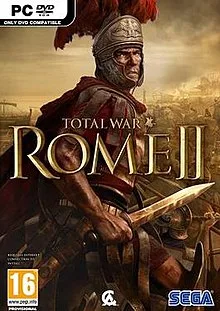
This guide section for Total War: Rome II covers the 'Roads (17)' aspect, detailing unit classifications, special abilities like Wedge Formation and Testudo, and faction-specific units.
This guide section for Total War: Rome II focuses on unit classifications and special abilities. It details how units are categorized into Infantry, Cavalry, and Siege types, explaining their roles and combat effectiveness. Special abilities such as Wedge Formation, Cantabrian Circle, Testudo Formation, Flaming Ammunition, Kill raging Elephant, Phalanx Formation, Warcry, Berserker mode, Run Amok, and Chant are described, along with their effects and the units that can utilize them.
- 1Unit Classification: Units are broadly categorized into Infantry, Cavalry, and Siege.
- 2Infantry: The backbone of armies, fighting on foot and operating siege equipment. Includes swordsmen, spearmen, skirmishers, and archers. They are durable in prolonged combat.
- 3Cavalry: Highly mobile but weaker in direct combat. Effective for flanking charges, routing enemies, and engaging archers. Can be heavy, light, or skirmishers. Vulnerable when engaged head-on.
- 4Siege Units: Primarily used for destroying walls and structures during sieges. Can engage regular units but are inaccurate against small targets. Some are specialized for sniping enemy generals.
- 5Special Abilities: Certain units possess unique abilities that can significantly impact battle outcomes.
- 6Wedge Formation: Used by most light and heavy cavalry to slightly increase charge damage.
- 7Cantabrian Circle: Used by Horse Archers and skirmishing Cavalry. Allows for a steady stream of missiles while reducing incoming missile hits, but tires units quickly and has less impact on casualties over time.
- 8Testudo Formation: Used by post-Marian reform infantry with square shields. Provides near immunity to missiles but drastically reduces movement speed and leaves units vulnerable to cavalry and infantry charges. Generally considered less useful by players.
- 9Flaming Ammunition: Available to Archers (non-Horse Archers). Increases the effect on enemy morale but reduces accuracy.
- 10Kill raging Elephant: An ability for Elephant units when they are 'running amok'. The driver kills the elephant, ending the rampage but also killing the crew. Has a delay.
- 11Phalanx Formation: Used by most spearmen. Creates a defensive wall of spears facing one direction, making the unit nearly unstoppable from the front but immobile and unable to turn effectively.
- 12Warcry: Used by most barbarian infantry. Temporarily increases attack power. Recommended before engaging.
- 13Berserker mode: Exclusive to Berserkers. Puts the unit into a frenzy, ignoring orders to pursue nearby enemies until defeated or the battle ends.
- 14Run Amok: A status for Elephants and chariots, triggered by damage, encirclement, or proximity to hazards. The unit attacks indiscriminately.
- 15Chant: Used by Druids. Increases the morale of nearby friendly units.
- Utilize cavalry charges effectively by timing them to hit enemy flanks or rear.
- Employ spearmen in Phalanx formation to create strong defensive lines against frontal assaults.
- Use Warcry and Berserker mode strategically for aggressive pushes, but be mindful of the loss of control.
- Flaming Ammunition can be useful for breaking enemy morale, especially against less disciplined troops.
- Testudo formation is situational and generally less effective than other defensive measures due to its speed penalty.
100% Human-Written. AI Fact-Checked. Community Verified. Learn how AntMag verifies content