Master the Early Modern Era in Humankind. This guide provides strategic build orders to ensure your civilization thrives and expands.
The Early Modern Era in Humankind represents a period of burgeoning global interaction and intensified competition, demanding a more sophisticated approach to city management and expansion. Build orders during this phase should reflect the increased complexity of the game's systems, with a greater emphasis on specialized Districts and the strategic exploitation of unique resources. their early game investments in Food and Industry now need to be augmented by a strong focus on Science and Money. The development of advanced Districts, such as the University and the Market, becomes paramount. Universities are crucial for accelerating technological advancement, allowing players to unlock powerful new units, buildings, and empire-wide bonuses. The Market District, on the other hand, is essential for generating Gold, which is vital for maintaining a larger standing army, funding ambitious construction projects, and engaging in trade with other civilizations. The strategic placement of these Districts is key; Universities often benefit from being placed adjacent to other science-generating Districts or in cities with high population, while Markets thrive in cities with good trade route connections or adjacent to resource tiles that can be leveraged for trade. The introduction of new luxury and strategic resources during this era also necessitates a re-evaluation of Outpost placement and city development, as these resources can provide significant economic or military advantages when properly integrated into the empire's infrastructure.
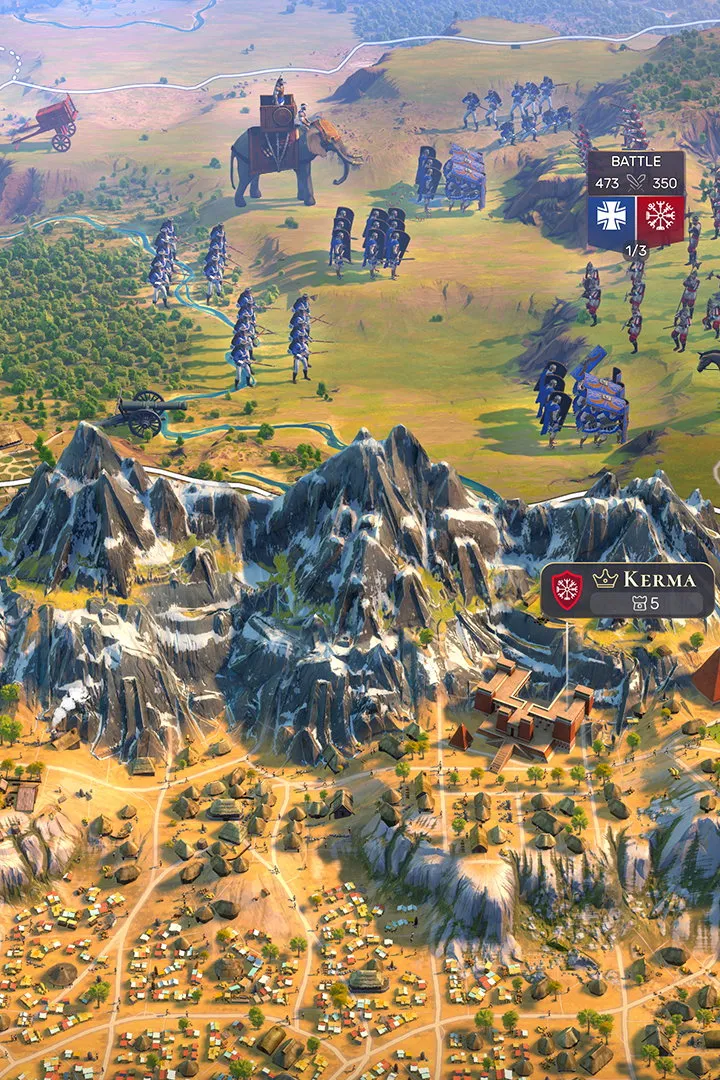
As the Early Modern Era unfolds, the importance of military power escalates. The introduction of gunpowder units and more advanced siege weaponry means that defensive structures and a well-trained, well-equipped army are no longer optional but essential for survival. Build orders should therefore incorporate the construction of military-focused Districts, such as the Barracks and the Arsenal, to facilitate the rapid production and upgrading of troops. The composition of armies becomes more critical, with players needing to balance ranged units, melee units, and artillery to effectively counter enemy formations and overcome fortified positions. The unique units of the era, such as the Janissary for the Ottomans or the Tercio for the Spanish, offer powerful advantages and should be prioritized if the player's chosen culture als with their strengths. Furthermore, the expansion of trade networks through the construction of Harbors and the establishment of trade routes becomes a significant source of income and influence. actively seek to connect their cities to lucrative trade partners, both domestic and fore, to maximize their Gold generation. The stability of cities remains a crucial factor, and players must continue to manage it through appropriate building construction and population assignment, especially as cities grow larger and more complex. The pursuit of Era Stars during this period often involves achieving specific milestones related to scientific discovery, economic dominance, or military conquest, and build orders should be tailored to meet these objectives efficiently.
A common pitfall in the Early Modern Era is neglecting the development of infrastructure that supports trade and communication. Without adequate Roads and Ports, the movement of goods and armies can be severely hampered, negating the benefits of specialized Districts and advanced units. prioritize connecting their resource-rich Outposts to their main cities and establishing trade routes as early as possible. Another mistake is failing to adapt military production to the evolving threats. Relying solely on early-game units like Spearmen when facing gunpowder-wielding enemies will lead to swift defeat. Players must research technologies that unlock new military units and production buildings and adjust their build orders accordingly. The influence of religion, while perhaps less dominant than in earlier eras, can still play a role, and players may choose to invest in religious buildings to foster unity or gain specific bonuses. The choice of culture in the Early Modern Era is particularly impactful. For example, the Portuguese, with their strong naval bonuses, might focus on building Harbors and training naval units, while the Dutch might prioritize Market Districts and trade to maximize their economic prowess. Understanding these cultural synergies is vital for optimizing build orders and achieving victory.
100% Human-Written. AI Fact-Checked. Community Verified. Learn how AntMag verifies content