
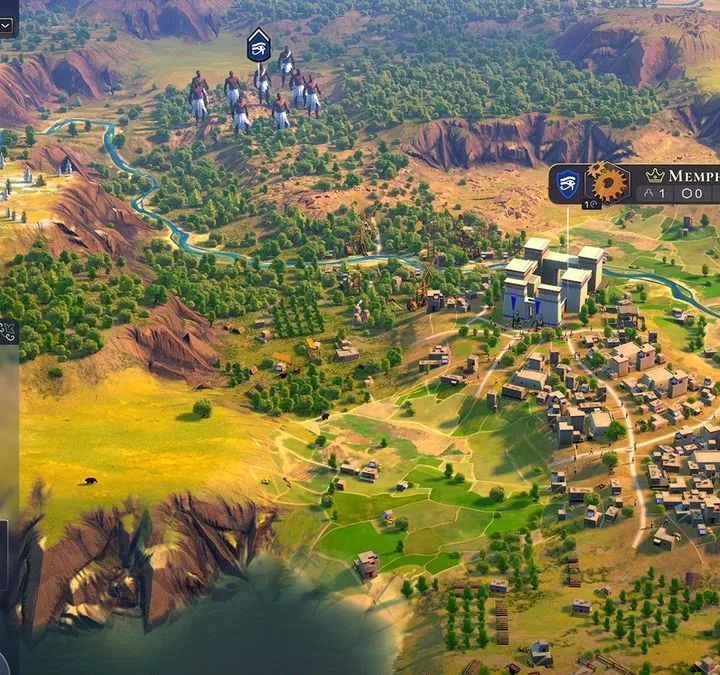
Master the Austro-Hungarians in Humankind. Learn how to best utilize their unique Legacy trait to foster stability and lasting influence.
The Austro-Hungarian civilization in Humankind presents a unique challenge and opportunity, focusing on internal stability, cultural influence, and diplomatic maneuvering rather than outright military conquest. Their strengths lie in their ability to foster strong internal development and exert influence over neighboring territories through cultural means. This guide will explore the specific mechanics and strategic approaches that best suit the Austro-Hungarian playstyle, highlighting how to leverage their unique units, buildings, and cultural bonuses to achieve victory. Mastering the nuances of their civilization will allow players to build a powerful and enduring empire that thrives on stability and influence.
Playing as the Austro-Hungarians requires a different mindset compared to more aggressive civilizations. The emphasis is on building a robust and stable empire from within, fostering cultural growth, and using diplomacy to achieve objectives. Their unique bonuses are geared towards internal development and the spread of their culture, making them adept at winning through influence and technological superiority rather than brute force. Players who enjoy a more nuanced and strategic approach, focusing on long-term development and indirect conflict, will find the Austro-Hungarians particularly rewarding. The key to success lies in carefully managing their FIMS (Food, Industry, Money, Science) to support their cultural and diplomatic ambitions while simultaneously building a strong defensive posture.
Cultural Dominance and Stability
The Austro-Hungarian civilization excels at generating Culture and maintaining high Stability within their cities. This makes them ideal for a victory condition focused on cultural influence. prioritize researching technologies that boost culture generation and unlock advanced cultural buildings. The Austro-Hungarian unique building, the Coffee House, provides significant bonuses to money and stability, which are crucial for supporting a large and culturally influential empire. Early game strategy should focus on establishing a few well-developed core cities rather than rapidly expanding. This allows for concentrated investment in infrastructure and cultural districts, such as Amphitheaters and Libraries. The unique unit, the Hussar, is a fast cavalry unit that can be useful for scouting and defending key territories, but its primary role is not aggressive conquest. Instead, focus on using their cultural output to sway neighboring independent peoples and eventually other civilizations. A common mistake is to neglect military development entirely; while not their primary focus, a basic defensive force is necessary to deter aggression from more militaristic neighbors. The goal is to create a cultural juggernaut that passively absorbs influence and achieves victory through its sheer cultural output and diplomatic standing.
Diplomacy and Influence
The Austro-Hungarian playstyle is heavily reliant on diplomatic interactions and the spread of their culture. actively engage with other civilizations through trade and alliances, using their high culture generation to their advantage. The ability to spread influence through cultural means means that You can effectively "conquer" territories without firing a shot. This is achieved by having a higher cultural output than neighboring cities, which can lead to them eventually joining your empire or becoming vassals. The Austro-Hungarian unique ability, which often relates to diplomatic bonuses or increased influence spread, should be carefully utilized. Researching technologies that enhance diplomatic options and trade routes is also paramount. aim to secure alliances and trade agreements that benefit their FIMS economy and further their cultural goals. The game's Era Stars system can be approached by focusing on objectives related to cultural achievements, diplomatic relations, or technological advancement. For instance, achieving a certain number of alliances or spreading culture to a specific number of tiles can be key objectives. The Austro-Hungarians are not designed for rapid military expansion, so avoid engaging in costly wars unless absolutely necessary for defense or to secure a critical strategic advantage that directly supports their cultural victory path.
Unique Strengths and Weaknesses
The primary strength of the Austro-Hungarian civilization lies in its exceptional ability to generate culture and maintain internal stability. This makes them a formidable contender for a cultural victory, allowing them to exert influence and expand their empire passively. Their unique buildings and units are designed to support this playstyle, fostering economic growth and cultural diffusion. However, this focus on culture and stability can leave them vulnerable to aggressive military powers if they do not maintain an adequate defense. A common pitfall for players is neglecting military development entirely, assuming their cultural influence will deter all aggression. While effective, cultural influence takes time to spread and can be countered by a swift military assault. Therefore, players must strike a balance between cultural development and maintaining a sufficient military force to protect their core territories and trade routes. The Austro-Hungarians are less suited for rapid territorial conquest and may struggle in early-game conflicts if they haven't established a strong economic and cultural foundation. Careful management of their FIMS, particularly investing in defensive structures and units when necessary, is crucial for mitigating these weaknesses and ensuring their cultural dominance can flourish.
100% Human-Written. AI Fact-Checked. Community Verified. Learn how AntMag verifies content