
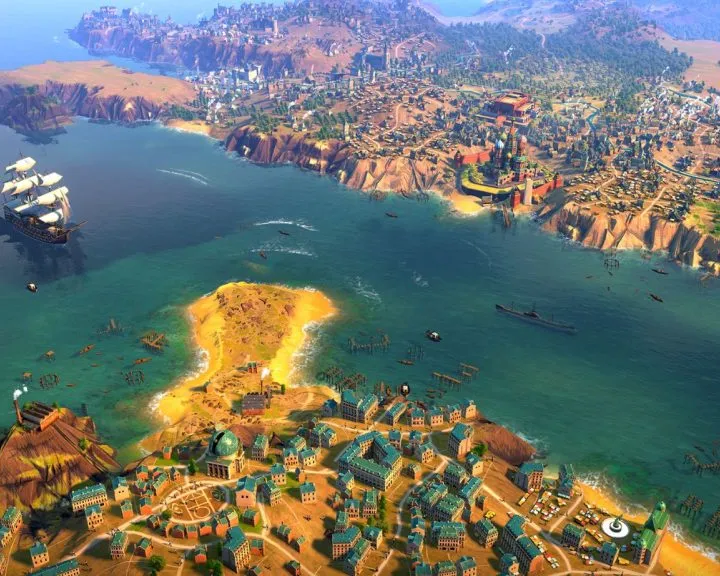
Learn how to outmaneuver opponents in Humankind with our guide on team vs team strategies. Master early game, trade, and expansion for victory.
Alright, let's talk about how to handle those tricky team-based matchups in Humankind. It's a whole different ballgame when you're not just fighting against the AI, but also trying to coordinate with allies or outsmart enemy teams. This guide will break down the core strategies you need to know to come out on top, focusing on how to leverage your strengths and exploit your opponents' weaknesses.
Key Takeaways:
- Early game is crucial: Focus on rapid expansion and securing resources before the enemy teams can.
- Trade is king: Establish robust trade routes with allies and use them to deny resources to enemies.
- Adapt your strategy: Be ready to pivot based on your team's composition and the enemy's actions.
Early Game Dominance
The first few eras are where you can really set the stage for victory. On higher difficulties, the AI gets some pretty hefty bonuses (+3 Food, Industry, Money, Science per specialist, and +60 Stability), which can make the early game feel like an uphill battle. The AI also gets a +2 Combat Strength bonus on all units, making direct conflict in the Neolithic and Ancient eras incredibly risky. Your best bet here is to avoid war like the plague. Instead, focus on:
- Rapid Expansion: Settle as many cities as you can, especially in resource-rich areas. Think 'wide' rather than 'tall' – more cities mean more specialists and more FIMS output, helping you offset those AI bonuses over time.
- Builder and Agrarian Cultures: Picking cultures with strong early-game bonuses in building infrastructure or food production will give you a massive head start. These cultures help you scale into the late game when the AI's flat FIMS bonuses become less impactful.
- Securing Luxury Resources: These are vital for stability, especially as the game progresses. Trading for them early is a smart move.
The Power of Trade and Diplomacy
Trade isn't just about making money; it's a strategic weapon. When playing team vs team:
- Ally Trade: Maximize trade with your teammates. Share resources, luxury goods, and even strategic resources to boost your collective strength.
- Enemy Embargo: If possible, try to cut off enemy teams from vital resources. This can involve strategic city placement to block trade routes or even targeted military actions later in the game.
- Luxury Resource Trading: As mentioned, trading for luxuries is key for stability. If you have a surplus, offer them to allies for other benefits. If an enemy team is struggling with stability, you might even consider *not* trading with them, or demanding a very high price.
Mid to Late Game Strategies
As the game progresses, the AI's early FIMS bonuses become less significant. This is where your scaling strategy pays off. The combat strength bonus is still a factor, so by the Medieval era, you should be looking to:
- Leverage Civics and Ideologies: The 'Professional Soldiers' Civic and leaning towards the 'Homeland' ideology can help balance out the combat deficit.
- Focus on Stars/Fame: Remember, the ultimate goal is to accumulate the most stars (Fame). Keep an eye on the victory conditions and prioritize actions that earn you stars, whether it's through wonders, discoveries, or military victories.
- Adapt to Enemy Teams: Scout their strengths and weaknesses. Are they heavily militarized? Are they focusing on a specific victory condition? Adjust your strategy and your team's strategy accordingly.
Important Note: This guide is based on information available shortly after the game's release. Updates may change game balance and strategy. Always be prepared to adapt!
100% Human-Written. AI Fact-Checked. Community Verified. Learn how AntMag verifies content