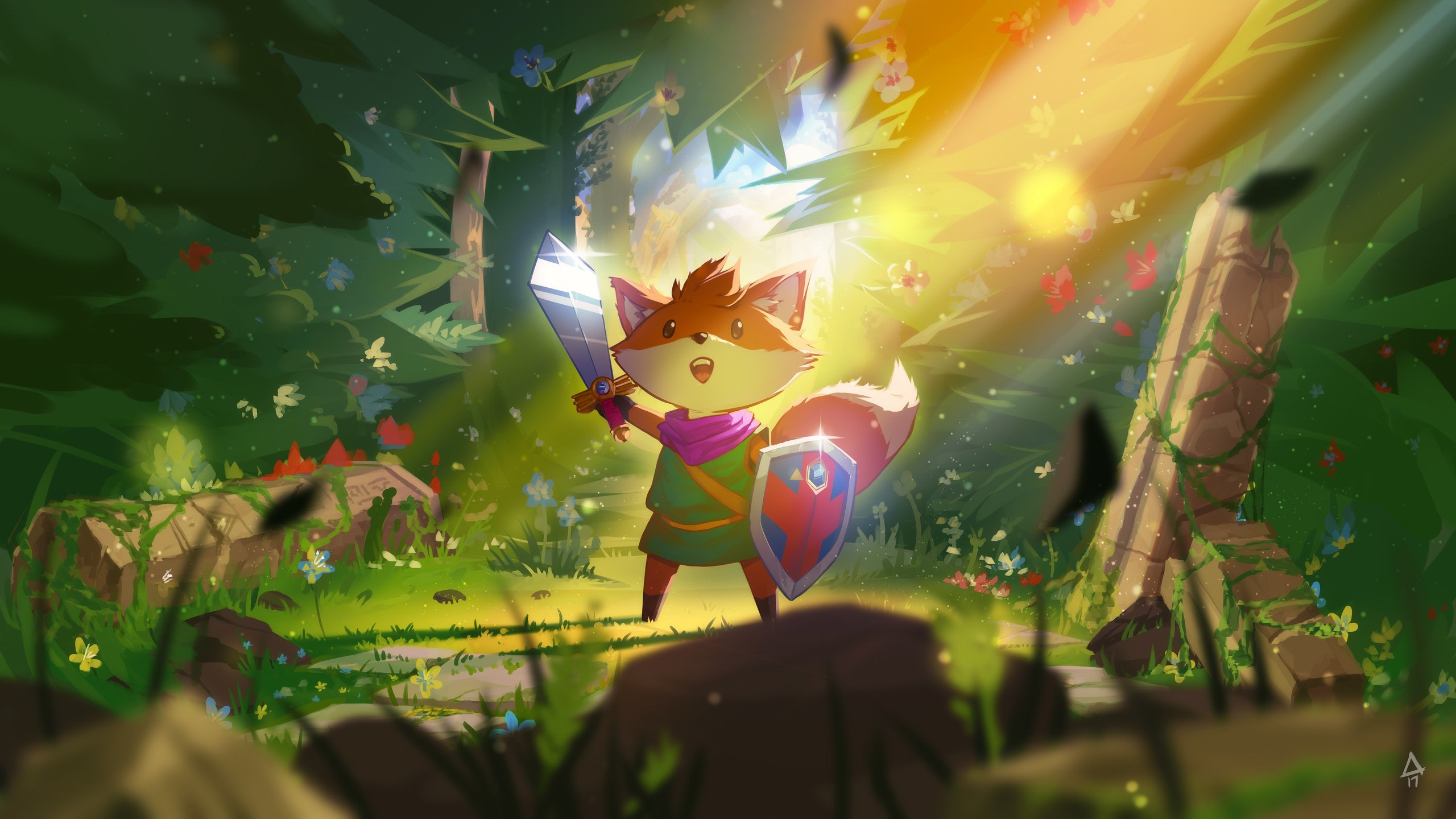
Learn Tunic's enemy types and their specific weaknesses, mastering attack patterns and vulnerabilities for more successful combat encounters.
Tunic features a diverse bestiary, each enemy presenting unique challenges and requiring specific tactics. Understanding their attack patterns, movement, and elemental or physical weaknesses is paramount to survival and efficient combat. This guide details common enemy types and how to exploit their vulnerabilities.
The world of Tunic is populated by several creatures, from common woodland critters to formidable magical constructs and corrupted guardians. Each enemy has been designed with distinct behaviors and attack styles, making combat a dynamic and engaging experience. To succeed, players must learn to identify these enemies, anticipate their moves, and exploit any weaknesses they might possess. This knowledge is often gained through observation, trial-and-error, and sometimes through deciphering clues found within the game's cryptic manual pages.
Common Enemy Types and Strategies:
- The Fox (Basic Melee):
- Description: Small, agile fox-like creatures that attack with quick swipes of their claws. They often appear in groups.
- Weaknesses: Susceptible to rapid attacks and crowd control. A well-timed swing can often hit multiple foxes. They are easily staggered.
- Strategy: Use wide, sweeping attacks to hit multiple enemies. Dodge their lunges and counter quickly. Don't let them surround you.
- The Slime:
- Description: Slow-moving blobs that can split into smaller versions of themselves. They often leave behind damaging puddles.
- Weaknesses: Vulnerable to area-of-effect attacks. Their splitting mechanic can be a double-edged sword; sometimes it's better to let them split to deal with smaller, more manageable threats.
- Strategy: Keep your distance and use attacks that hit multiple targets. If they split, focus on the smaller ones first. Avoid standing in their puddles.
- The Knight (Armored Foes):
- Description: Heavily armored enemies wielding swords and shields. They have strong defenses and powerful, deliberate attacks.
- Weaknesses: Their armor can be bypassed by specific attacks or by finding openings after their heavy swings. Some might be vulnerable to magic or specific elemental damage if you have the means. Parrying their attacks can create significant openings.
- Strategy: Patience is key. Wait for them to attack, dodge, and then strike their exposed sides or back. Parrying their shield bash or sword swings can stun them, allowing for critical hits.
- The Golem (Heavy Hitters):
- Description: Large, slow, but incredibly powerful enemies. Their attacks have wide swings and can cause shockwaves.
- Weaknesses: Their slow movement makes them predictable. Their weak points are often their legs or back. They are generally resistant to physical damage but might be vulnerable to certain magical effects.
- Strategy: Stay mobile and circle around them. Attack their legs to potentially stagger them or aim for their back. Dodge their ground slams and be aware of the shockwave.
- The Sorcerer (Magic Users):
- Description: Enemies that cast spells from a distance, often with projectiles or area-of-effect attacks.
- Weaknesses: Typically have low health and are vulnerable to quick melee engagement. Their casting animations can be interrupted.
- Strategy: Close the distance quickly and interrupt their spells. If they are casting a charged spell, dodge or find cover.
- The Corrupted (Boss-like Encounters):
- Description: More powerful, often unique enemies found in specific areas or as mini-bosses. They have complex attack patterns and higher health.
- Weaknesses: These vary greatly. Observation is crucial. Look for specific tells, environmental interactions, or patterns that can be exploited. Often, they have a specific phase or attack that leaves them vulnerable.
- Strategy: Treat these like boss fights. Learn their attack sequences, identify safe zones, and strike during their recovery periods.
General Combat Tips:
- Observe and Learn: Never engage an unknown enemy without first observing its attack patterns.
- Stamina Management: Always keep an eye on your stamina bar. Running out during a critical moment can be fatal.
- Use Your Environment: Sometimes, the terrain can be used to your advantage, providing cover or creating choke points.
- Ability Cards: Equip Ability Cards that complement your playstyle and counter specific enemy types. For example, cards that enhance dodging or increase attack speed can be very useful.
By understanding the strengths and weaknesses of Tunic's diverse enemy roster, You can approach combat with confidence and efficiency, turning potentially deadly encounters into manageable challenges.
100% Human-Written. AI Fact-Checked. Community Verified. Learn how AntMag verifies content