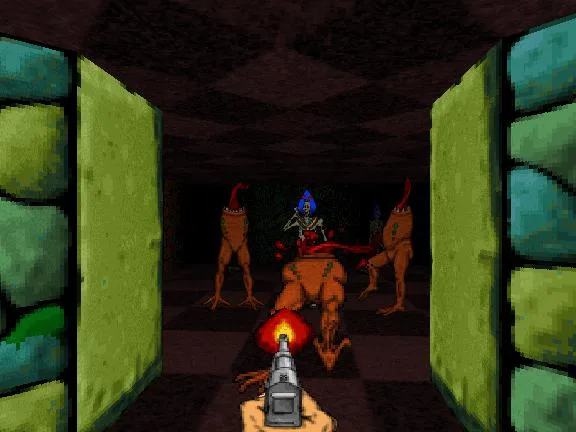
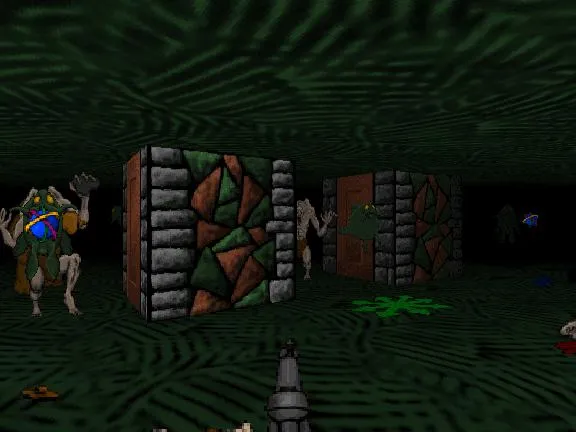
Master skill trees and progression in Pathways into Darkness. Learn to invest skill points to customize your hero's abilities and playstyle.
Skill trees in Pathways into Darkness are the primary mechanism for character customization and progression, allowing players to tailor their hero's abilities to their preferred playstyle. As you gain experience and level up, you'll earn skill points that can be invested in various branches of your chosen class's skill tree, unlocking new active abilities, passive bonuses, and powerful enhancements that define your combat effectiveness.
The journey through Pathways into Darkness is one of constant growth, and the skill tree system is at the heart of this evolution. Each class possesses a unique skill tree, often divided into several distinct branches, each focusing on a different aspect of combat or utility. Whether you're a hulking warrior, a cunning rogue, or a potent mage, your skill tree offers a multitude of paths to explore, allowing for deep specialization or versatile hybrid builds. Understanding how to effectively allocate your skill points is paramount to overcoming the game's increasingly difficult challenges.
Typically, skill trees are structured with a series of tiers or ranks. To unlock higher-tier skills, you must first invest a certain number of points into lower-tier skills within the same branch or across the tree. This tiered progression encourages strategic planning, as you can't simply grab the most powerful abilities from the outset. You must build a foundation of supporting skills first.
Common elements found within skill trees include:
- Active Abilities: These are skills you can actively use in combat, such as a powerful sword strike, a healing spell, or a stealthy evasion. They often have cooldowns or resource costs (like mana or stamina).
- Passive Bonuses: These skills provide constant, ongoing benefits without requiring active use. Examples include increased damage, enhanced armor, faster health regeneration, or improved critical hit chance.
- Enhancements and Augmentations: Some skills are not new abilities but rather upgrades to existing ones. These can modify an active ability's effect, reduce its cost, or increase its duration. For instance, an enhancement might make your 'Fireball' spell leave a burning effect on targets.
- Utility Skills: Beyond direct combat, skill trees often offer skills that improve exploration, crafting, or interaction with the game world, such as increased lockpicking speed or the ability to identify rare items.
When approaching your skill tree, consider the following strategic points:
- Define Your Playstyle: Are you a front-line brawler, a ranged damage dealer, a support character, or a stealthy assassin? Your primary role should guide your initial skill point allocation.
- Synergy is Key: Look for skills that complement each other. A skill that increases critical hit damage pairs well with a skill that boosts critical hit chance.
- Don't Neglect Passives: While active abilities are flashy, passive bonuses often provide the most consistent and significant power increases over time.
- Consider Future Unlocks: Plan ahead. If you see a powerful ultimate ability several tiers down a particular branch, work towards unlocking the prerequisite skills.
- Respec Options: Many games offer a way to respecialize your skill points, allowing you to experiment or correct mistakes. Familiarize yourself with this mechanic if it's available.
For example, a warrior might choose to invest heavily in the 'Weapon Mastery' branch for increased melee damage and attack speed, while also putting a few points into the 'Defensive Stance' branch for added survivability. A mage might focus on the 'Elemental Evocation' branch for offensive spells and the 'Arcane Mastery' branch for mana regeneration and spell potency.
100% Human-Written. AI Fact-Checked. Community Verified. Learn how AntMag verifies content