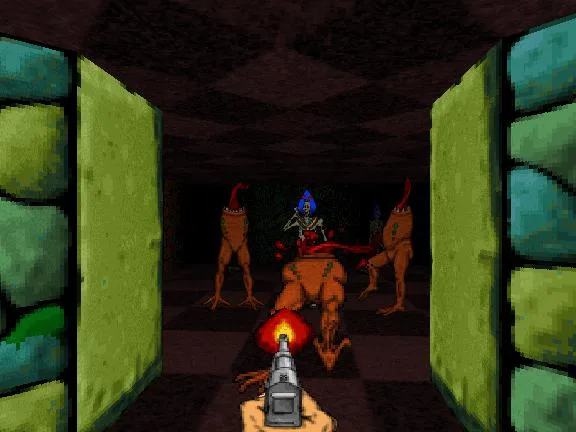
Study the Aquatic Life within the Sunken Ruins of Pathways into Darkness. Understand passive fish, dangerous predators, and enigmatic beings to survive submerg.
The Sunken Ruins, a vast underwater realm in Pathways into Darkness, is home to a unique ecosystem of aquatic life. These creatures range from passive, schooling fish to dangerous predators and ancient, enigmatic beings that inhabit the submerged depths. Understanding and interacting with this aquatic life is essential for navigating the ruins and surviving their watery embrace.
Beneath the surface of the world lies the Sunken Ruins, a sprawling testament to a forgotten civilization now reclaimed by the ocean. This environment is not merely a collection of submerged structures; it is a vibrant, albeit dangerous, habitat for a diverse array of aquatic life. These creatures have adapted to the crushing pressures and limited visibility of the deep, presenting unique challenges and opportunities for those who dare to explore their domain. From schools of shimmering fish to colossal leviathans, the aquatic life of the Sunken Ruins is a crucial element of the game's exploration and combat.
The aquatic creatures encountered in the Sunken Ruins can be categorized as follows:
- Passive Marine Life: These include schools of small fish, jellyfish that drift with the currents, and various types of coral or anemones. While generally harmless, they contribute to the atmosphere and can sometimes obscure the presence of more dangerous creatures.
- Aggressive Aquatic Predators: These are the primary threats within the ruins. They are territorial and will attack players on sight. Examples might include:
- Giant Eels: Capable of delivering powerful electrical shocks and constricting prey.
- Deep-Sea Sharks: Fast, relentless hunters with powerful bites, often found in packs.
- Kraken Tentacles: While the full Kraken might be a boss, its powerful tentacles can lash out from hidden crevices, attempting to drag players down.
- Abyssal Lurkers: Amphibious creatures that can move both in water and on submerged landmasses, often ambushing players.
- Mystical and Ancient Beings: The ruins may also be inhabited by more ethereal or ancient entities tied to the lost civilization or the ocean's depths. These could include:
- Water Elementals: Beings of pure water that can manipulate currents and unleash torrents of water.
- Merfolk Guardians: Sentient beings who may be hostile or neutral depending on player actions or quest progression.
- Ancient Sea Serpents: Colossal, often legendary creatures that inhabit the deepest parts of the ruins, posing a significant threat.
- Corrupted Aquatic Life: In areas where the darkness has seeped into the ruins, familiar aquatic creatures might be twisted into more monstrous forms, exhibiting unnatural aggression and dark abilities.
Navigating the Sunken Ruins and dealing with its inhabitants requires specific strategies:
- Movement and Breathing: Players will likely need special gear or abilities to breathe underwater for extended periods and to move effectively in a three-dimensional environment.
- Ranged Combat Advantage: While melee is possible, ranged attacks and spells often have an advantage in underwater combat due to the difficulty of closing distance and the 3D movement.
- Environmental Hazards: Be aware of strong currents, pressure zones, and areas with limited visibility that can hinder combat and exploration.
- Exploiting Weaknesses: Different aquatic creatures will have varying resistances and vulnerabilities. For example, electrical attacks might be effective against some, while others might be weak to piercing damage.
For instance, when exploring a flooded temple within the Sunken Ruins, a player might encounter a school of aggressive Deep-Sea Sharks. They would likely switch to a ranged weapon, such as a harpoon gun or a water-based spell, to engage them from a distance, using their underwater movement to dodge their lunges and conserve their limited underwater breathing capacity.
100% Human-Written. AI Fact-Checked. Community Verified. Learn how AntMag verifies content