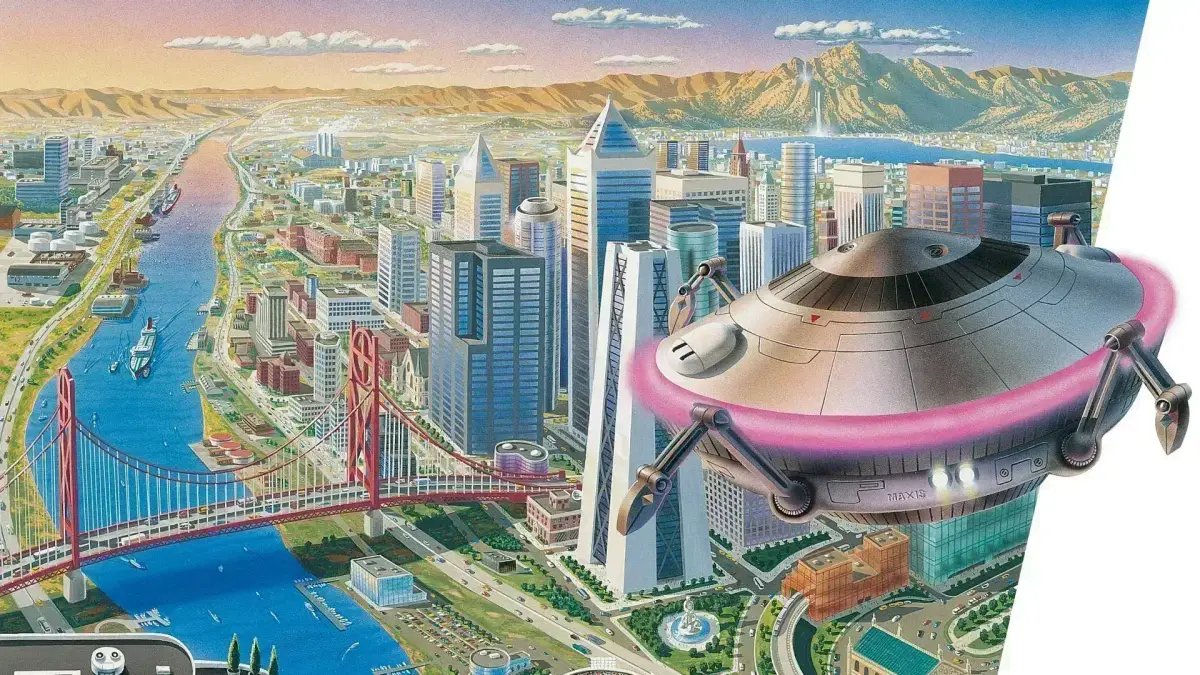
Dive into SimCity 2000's core mechanics! Learn the essential RCI zone ratios, how taxes affect development, and what truly drives city growth. Essential for all mayors!
Hey there, future mayor! So, you're diving into SimCity 2000 and want to build a city that actually thrives, huh? Awesome! This guide is all about figuring out what *really* matters when it comes to growing your metropolis, and it's written by someone who's spent way too much time testing this stuff out. Forget those old myths you might have heard; we're going to look at what actually makes your city population explode.
I'm assuming you've got the basics down – you know what the different tools do and how to plop down a zone. This guide is for when you want to go from just *starting* a city to *mastering* it. We're going to focus on what directly impacts population growth, because let's be honest, that's the main goal, right?
One thing I'm not going to get too deep into is arcologies. Honestly, they're kind of boring and go against the whole spirit of SimCity. The fun is in designing and optimizing your own city, not just dropping a single building. So, yeah, arcologies are out.
Most of my testing was done on the Windows 95 version, but I've cross-checked with DOS and Mac, so it should be pretty solid. Still, there's always a chance a tiny detail might be different depending on your version. I'll try to be clear about when I'm super confident about something and when I'm still going by older community wisdom.
- The absolute must-haves for a functioning city are power, RCI zones, and decent transit. You can get pretty far with just these.
- The biggest driver for RCI zone development is sticking to the game's desired zone ratio, which changes as your city grows. You can mess up in a lot of other areas and still grow, as long as you get the zones right.
- Property taxes are your wiggle room. 9% is strict but keeps demand high if you're balanced. Lower taxes give you more freedom. Go higher than 9% and your population will go wild.
- RCI zones are the only things that need transit, and they all need to connect to each other. Don't waste power on transit for other buildings unless you just like the look.
- Things like recreation, ports, and neighbor connections only become important for population boosts later on. Don't bother with them too early.
- Higher land value is key for dense zones. Water, scenery, and even rubble help, while crime and pollution hurt.
- Health and education? Mostly fluff. They don't impact the rest of the game much.
- City ordinances have specific effects on demand, money, and quality of life. We'll get to that.
- And here's a weird one: rotating the map actually changes your city. Seriously.
RCI Zones: The Core of the Simulation
Alright, let's talk about the heart of your city: Residential (R), Commercial (C), and Industrial (I) zones. This is where your citizens live, shop, and work, and it's your entire population and tax base. Everything else you build exists to support these zones. Power and transit are also essential, but RCI zones are the only ones that actually *use* transit.
The game has this internal
100% Human-Written. AI Fact-Checked. Community Verified. Learn how AntMag verifies content