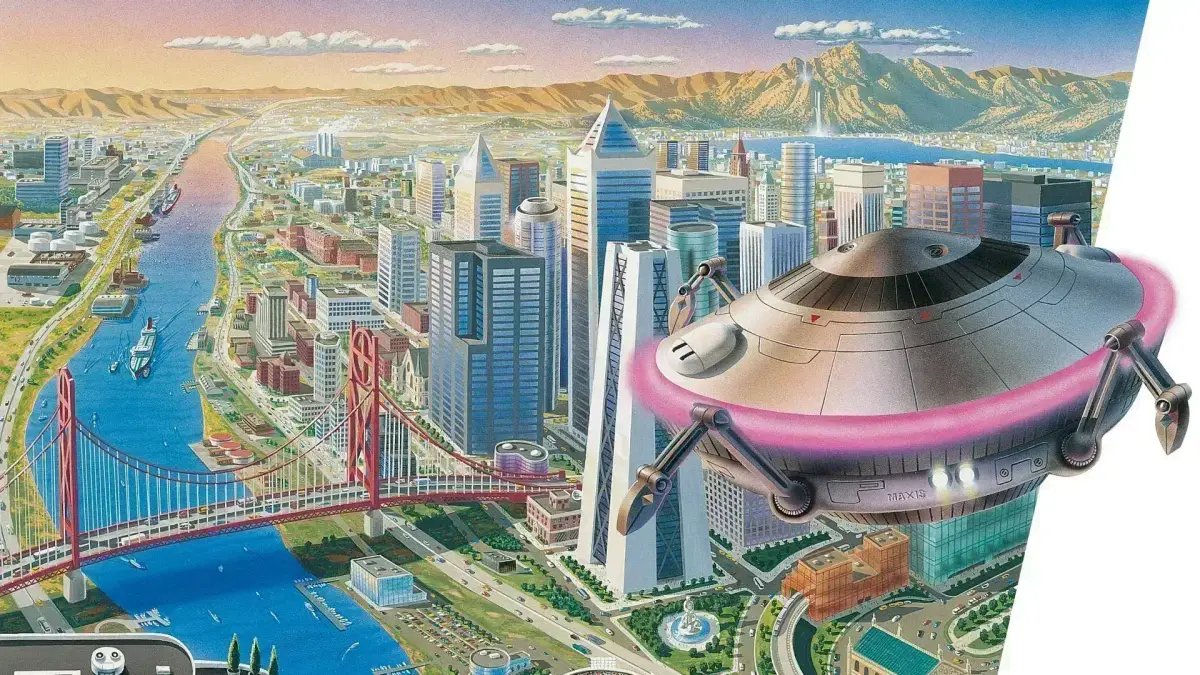
Master SimCity 2000's transportation systems! Learn about roads, highways, subways, and more to keep your city's traffic flowing and your citizens happy. Essential tips for efficient city planning.
Alright, let's talk about getting around in SimCity 2000. This is a big one, because if your Sims can't get to work or home, your city grinds to a halt. We're going to cover the basics of roads, highways, and the fancier stuff like subways and airports.
Roads and Highways
You'll start with basic roads, and they're fine for low-density areas. But as your city grows, you'll quickly see traffic jams forming. That's where highways come in!
- Roads: Good for starting out and connecting residential to commercial zones. Keep them simple at first.
- Highways: Essential for moving large numbers of Sims quickly between different parts of your city. They cost more, but they're worth every dollar. Try to build them above or below ground to avoid disrupting your city's layout too much.
Pro Tip: Don't be afraid to upgrade roads to highways later on. You can do this by selecting the highway tool and drawing over existing roads. Just be mindful that this will cost you Simoleans!
Mass Transit
Once your city gets a bit bigger, you'll want to think about mass transit. This is key to reducing pollution and keeping your land value high.
- Subways: These are fantastic for high-density areas. They run underground, so they don't take up valuable surface space. Build them connecting major residential, commercial, and industrial zones.
- Bus Lines: A bit simpler than subways, but still effective. You can draw bus routes to connect different parts of your city. They're a good mid-tier option.
- Train Tracks: Primarily used for connecting to neighboring cities or for freight. They can also be used for inter-city passenger transport if you connect them to a train station.
- Airports: These are late-game additions. They're expensive but help with tourism and can boost your city's economy. Place them away from residential areas to avoid noise pollution.
- Seaports: Similar to airports, these are for trade and tourism, especially if your city is on the coast.
Traffic Management
Even with the best transit, you can still have traffic issues. Here are a few things to watch out for:
- Gridlock: If too many roads converge on a single point, you'll get gridlock. Try to create multiple routes and avoid dead ends.
- Zone Placement: Make sure your residential zones aren't too far from commercial and industrial zones. Long commutes are a major cause of traffic.
- Public Transit Coverage: Ensure your subway and bus lines actually reach the areas where Sims live and work. Check the transit maps to see where coverage is weak.
Getting transportation right is crucial for a thriving SimCity 2000. Keep an eye on your traffic simulator and don't hesitate to experiment with different solutions!
100% Human-Written. AI Fact-Checked. Community Verified. Learn how AntMag verifies content