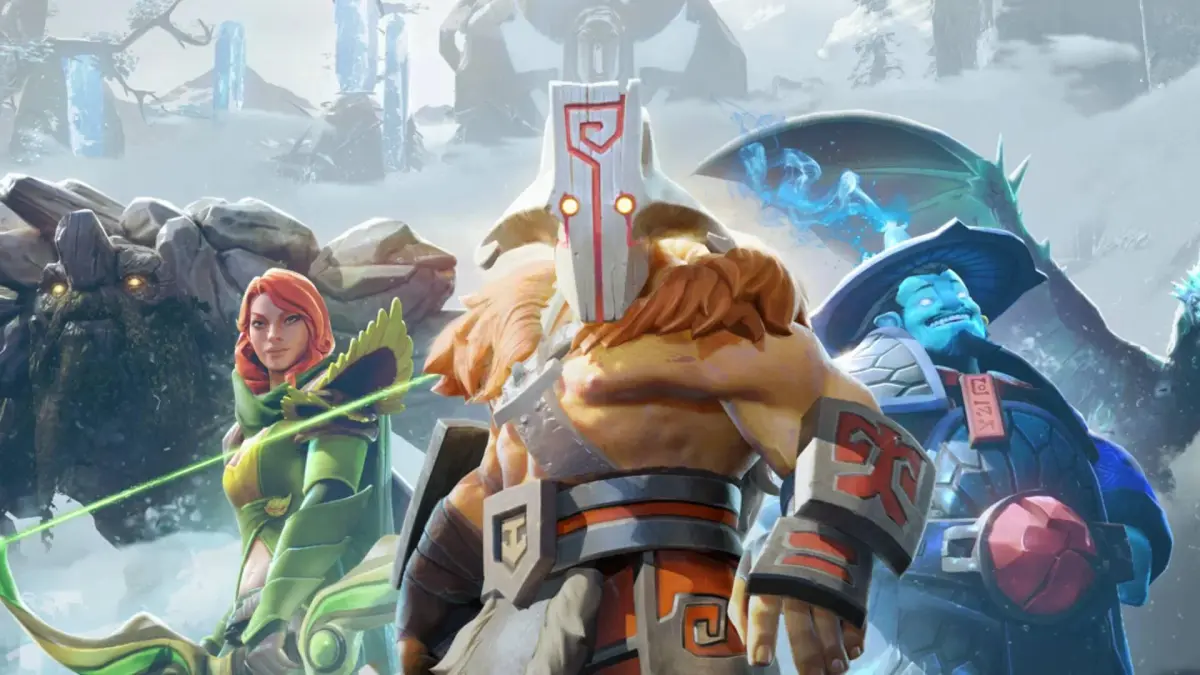
Experience Dota 2 beyond the core game. The Dota 2 Arcade offers a universe of player-created Custom Games, from unique strategy modes to entirely new MOBA exp.
Dota 2 Custom Games: The Arcade Experience
Beyond the traditional Dota 2 matchmaking, the game hosts a vibrant ecosystem of Custom Games, often referred to as the Dota 2 Arcade. This platform allows community members to create and share their own unique game modes, offering a vast and diverse range of experiences that go far beyond the standard MOBA formula. The Dota 2 Arcade is a testament to the creativity of its player base. From tower defense and RPGs to unique strategy games and even direct Dota 2 modifications, there's something for everyone. This guide provides an overview of what the Arcade offers and how to dive in.
What is the Dota 2 Arcade?
The Dota 2 Arcade is a feature within the Dota 2 client that allows players to browse, download, and play custom-built game modes created by the community using the Dota 2 Workshop Tools. These games can range from simple modifications of existing Dota 2 mechanics to entirely new game genres. The depth and complexity of these games are limited only by the imagination of their creators, leading to an incredibly diverse and often surprising library of playable content.
Key Features of the Arcade
- Vast Game Variety: The Arcade hosts hundreds of custom games, ensuring there's always something new to discover. Popular genres include:
- Tower Defense: Defend your base against waves of increasingly difficult enemies. These often feature unique creep paths, boss mechanics, and hero abilities tailored for defense.
- RPGs: Experience character progression, intricate questlines, loot systems, and often boss battles that require specific strategies. Many RPG custom games offer hundreds of hours of content.
- Action/Strategy Hybrids: Games that blend elements of different genres, such as real-time strategy with hero control, or survival games with base building.
- Dota 2 Modifications: Games that alter core Dota 2 mechanics, introduce entirely new heroes and abilities, or create unique game modes that leverage the Dota 2 engine in novel ways.
- Minigames: Quick, casual games designed for short bursts of fun, often focusing on specific mechanics like aiming, reaction time, or puzzle-solving.
- Survival/Horror: Games that challenge players to survive against overwhelming odds, often with resource management and environmental hazards.
- Puzzle Games: Intricate logic puzzles and environmental challenges that test players' problem-solving skills.
- Community Creation: Anyone with the Dota 2 Workshop Tools can create and publish their own custom games, fostering a dynamic and ever-evolving content landscape. This open development model means new games and updates are constantly being released.
- Matchmaking for Custom Games: Many of the most popular custom games implement their own matchmaking systems. These systems aim to group players of similar skill levels together, providing a more balanced and enjoyable experience. The availability and sophistication of matchmaking vary significantly from game to game. Some games might use a simple player count to initiate a match, while others employ more complex rating systems.
- Player-Created Content: The quality and complexity of custom games vary greatly, from simple experiments to highly polished and intricate experiences that rival commercial titles in scope and design.
- Workshop Integration: Many custom games leverage the Dota 2 Workshop for features like custom models, sounds, and even unique hero abilities, further enhancing You experience.
How to Access and Play Custom Games
- Launch Dota 2.
- From the main menu, click on the 'Arcade' tab located at the top of the screen.
- You will be presented with a list of available custom games. You can browse by category (e.g., Tower Defense, RPG, Action), sort by popularity, rating, or player count, or use the search bar to find specific games by name or keyword.
- Click on a game to view its dedicated page. This page typically includes a detailed description, screenshots, videos, developer notes, and player reviews.
- On the game's page, look for the 'Play' button. Clicking this will initiate the download of the custom game assets if you haven't played it before.
- Once downloaded, clicking 'Play' will either launch the game directly or place you into a matchmaking queue if the game supports it.
- If a game uses its own matchmaking, you will be placed in a queue. The system will attempt to find enough players to start a match. The time spent in the queue can vary depending on the game's popularity and the current player base.
- When a match is found, you will be notified and prompted to join.
Understanding Custom Game Matchmaking
Matchmaking in custom games is a feature implemented by the creators of individual game modes, not a universal system managed by Valve for all custom games. This means the experience can vary significantly:
-
Dedicated Matchmaking: Some popular custom games, like Dota Auto Chess (in its original form) or Overthrow, developed robust matchmaking systems. These often involve:
- Player Rating/MMR: A hidden or visible rating system that tracks player performance and attempts to match you with similarly skilled opponents and teammates.
- Queue Times: Depending on the game's popularity and the time of day, queue times can range from a few seconds to several minutes.
- Region Selection: Similar to standard Dota 2, some custom games allow you to select your preferred server region for matchmaking.
- Party Queuing: Many games allow you to queue with friends, though this can sometimes lead to longer wait times or slightly less balanced matches.
- Server Browsing/Lobby Creation: Many custom games do not have dedicated matchmaking. Instead, players create lobbies, and others can join them directly from a server browser. This method offers more control over game settings and player selection but requires more manual effort to find a game.
- Automatic Game Start: In some simpler custom games, when enough players join a lobby, the game will simply start automatically without a formal matchmaking process.
- Community-Driven Matchmaking: Some communities organize their own matchmaking events or use external tools to facilitate balanced games.
Important Note: The matchmaking system for a custom game is entirely dependent on its developer. If a custom game lacks matchmaking, you will need to rely on server browsing or creating your own lobbies.
Popular Custom Game Examples
The landscape of popular custom games is constantly shifting, with new titles emerging and older ones fading. However, certain genres and specific games have maintained significant popularity over time. Here are some prominent examples:
-
Dota Auto Chess (Original): While the original Dota Auto Chess has largely been superseded by standalone Auto Battler games, it was the progenitor of the genre and immensely popular. Players strategically placed units on a board, which then fought automatically. The key was unit synergy, itemization, and economy management.
- Core Mechanic: Unit placement, resource management, and building powerful synergies.
- Objective: Be the last player standing by defeating all other opponents.
- Strategy: Balancing gold income with unit upgrades, scouting opponent boards, and adapting your strategy based on available units and items.
-
Pudge Wars: A highly skill-based game focused on the iconic Dota 2 hero, Pudge. Players take turns attempting to hook and kill opponents with Pudge's Meat Hook. It's a test of prediction, timing, and map awareness.
- Core Mechanic: Landing Pudge's Meat Hook.
- Objective: Eliminate all enemy Pudges.
- Strategy: Mastering hook angles, predicting enemy movement, and using terrain to your advantage. Some versions include abilities to dodge hooks or provide vision.
-
Overthrow: A fast-paced, objective-based arena combat mode. Teams fight over control points to earn points, with various game modes and modifiers available. It emphasizes team coordination and quick engagements.
- Core Mechanic: Capturing and holding control points.
- Objective: Reach a target score by controlling objectives.
- Strategy: Team composition, coordinated pushes on objectives, and efficient use of hero abilities. Different game modes (e.g., 3v3, 5v5, King of the Hill) offer distinct strategic challenges.
-
Custom RPGs (e.g., "Siltbreaker" inspired modes, "Path of the Assassin"): These games often offer deep progression systems, unique storylines, and challenging boss encounters. Players level up, acquire gear, and learn new abilities to overcome increasingly difficult content.
- Core Mechanic: Character progression, questing, and combat.
- Objective: Varies greatly, often involving completing a story, defeating a final boss, or achieving specific milestones.
- Strategy: Efficient farming for experience and items, understanding boss mechanics and weaknesses, and optimizing character builds.
-
Tower Defense Games (e.g., "Winter's Wrath," "Legion TD"): These games require players to build and upgrade defensive towers to withstand waves of AI-controlled enemies. Strategic placement and understanding enemy types are crucial.
- Core Mechanic: Building and upgrading defensive structures.
- Objective: Prevent enemies from reaching a designated point (e.g., your base).
- Strategy: Optimal tower placement for maximum coverage, understanding enemy resistances and weaknesses, and managing resources for upgrades and new tower construction.
-
Custom Ability Draft/Hero Brawls: Modes where players draft unique, community-created abilities to combine with standard heroes, or where heroes have entirely new sets of abilities.
- Core Mechanic: Strategic drafting of abilities or heroes with custom kits.
- Objective: Varies, often team-based combat or objective control.
- Strategy: Understanding the synergy between drafted abilities, identifying powerful combinations, and adapting to the unique meta created by custom abilities.
Tips for Exploring the Arcade
- Read Descriptions and Reviews: Always take a moment to read the game's description to understand its core mechanics, objectives, and any specific rules. Player reviews can also offer valuable insights into the game's quality, balance, and potential issues.
- Check Player Counts and Ratings: Higher player counts and positive ratings generally indicate a more active, popular, and well-received game. This is especially important for games that rely on matchmaking.
- Experiment with Different Genres: Don't limit yourself to one type of game. The Arcade's strength lies in its diversity. Try out genres you might not typically play.
- Look for Developer Updates: Active developers often post updates and patch notes. This shows commitment to improving the game and fixing bugs.
- Provide Constructive Feedback: If a game has a feedback system or a dedicated community forum, consider leaving constructive comments. This helps creators improve their work and fosters a better community.
- Be Patient with Matchmaking: If a game has matchmaking, queue times can vary. Be patient, and consider playing during peak hours for faster queue times.
- Understand Custom Game Limitations: Remember that custom games are community-made. They may have bugs, balance issues, or less polished interfaces compared to official Dota 2 modes.
The Dota 2 Arcade offers a refreshing departure from the standard Dota 2 experience, providing endless replayability and showcasing the incredible creativity of the community. It's a fantastic way to explore new gameplay mechanics, enjoy Dota 2 in entirely new ways, and discover hidden gems crafted by passionate developers.
100% Human-Written. AI Fact-Checked. Community Verified. Learn how AntMag verifies content