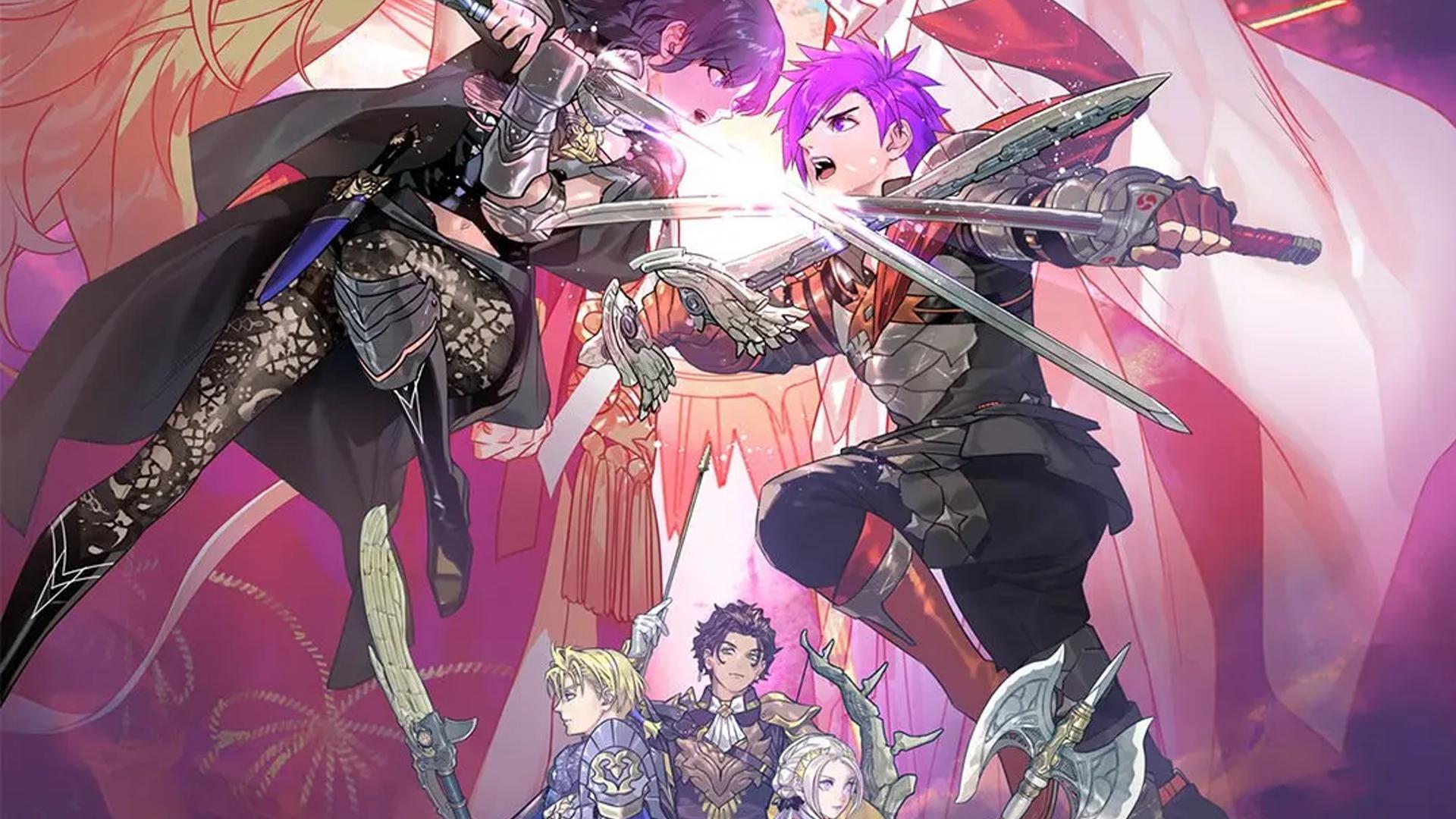
Compare Easy, Normal, Hard, and Maddening difficulties in fire emblem warriors three hopes. Learn differences between Casual and Classic modes.
Difficulty Modes: Easy, Normal, and Hard
When starting a new game in fire emblem warriors three hopes, you will be prompted to select a difficulty level. The available options are Easy, Normal, and Hard. These modes directly influence the level of enemies you will encounter during quests. Higher difficulties mean higher enemy levels, which in turn grant more experience points and better loot drops. For instance, an early Side Quest might feature Level 3 enemies on Easy, Level 6 on Normal, and Level 16 on Hard. The game allows you to change difficulty settings at any time without affecting core systems. This flexibility lets you lower the difficulty to help level up neglected characters or increase it to challenge stronger foes.
How to Unlock Maddening Difficulty
To unlock Maddening difficulty in fire emblem warriors three hopes, you must complete the game once on any difficulty. Maddening difficulty can then be selected for subsequent playthroughs. This mode functions similarly to others but adds a significant challenge tier.
Starting from Chapter 4, enemies will be Level 100+ and equipped with +75 weapons. Prior to Chapter 4, enemies will be at their normal, weaker variants. While enemy classes and base weapon quality remain the same (e.g., Myrmidons, Cavaliers, Archers, Brawlers, Fighters will appear with Iron weapons), their higher levels and stats make them formidable. As you progress, you will face enemies with higher-tier classes and better weapons like Steel, Killer, Silver, and Brave. Maddening difficulty is not recommended for characters below Level 50 or those with similarly under-leveled weapons. For well-prepared characters, Maddening difficulty scales with your power and offers an enjoyable experience for a second playthrough. You will gain more experience and rarer material/weapon drops, with A-rank weapons expected from the first Side Quest. However, Gold accumulation is not improved on higher difficulties.
Casual Mode vs. Classic Mode
After selecting your difficulty, you must choose between Casual Mode and Classic Mode. This choice is significant and permanent. The primary difference lies in how defeated characters are handled.
In Casual Mode, if a character is defeated in combat, they lose a tab of Morale but suffer no long-term penalties. In Classic Mode, characters who are defeated in combat are lost forever. This often necessitates reloading a save to avoid permanent character loss.
Classic Mode requires more careful play. Progressing too slowly or making tactical errors can force you to retry quests. Strategies like sending characters out in pairs (one defending, one attacking), parking uncontrolled character pairs in Strongholds to intercept enemies, and ensuring AI-controlled characters attack disadvantaged foes become essential. You may find yourself reloading saves, grinding more, and meticulously planning deployments and orders on the battle map in Classic Mode.
The minor difference relates to saving. In Casual Mode, creating a Bookmark Save mid-battle acts as a permanent checkpoint (an auto-save point you restart from on death) for saving progress or retrying encounters. In Classic Mode, creating a Bookmark Save forces you back to the main menu, and the save is deleted upon loading. This prevents using Bookmark Saves as a safety net, making them only a temporary save option for pausing mid-battle.
You cannot switch between Casual Mode and Classic Mode after making your initial selection.
100% Human-Written. AI Fact-Checked. Community Verified. Learn how AntMag verifies content